Private Jet Cards vs Fractional Ownership: Which Makes Sense in 2026
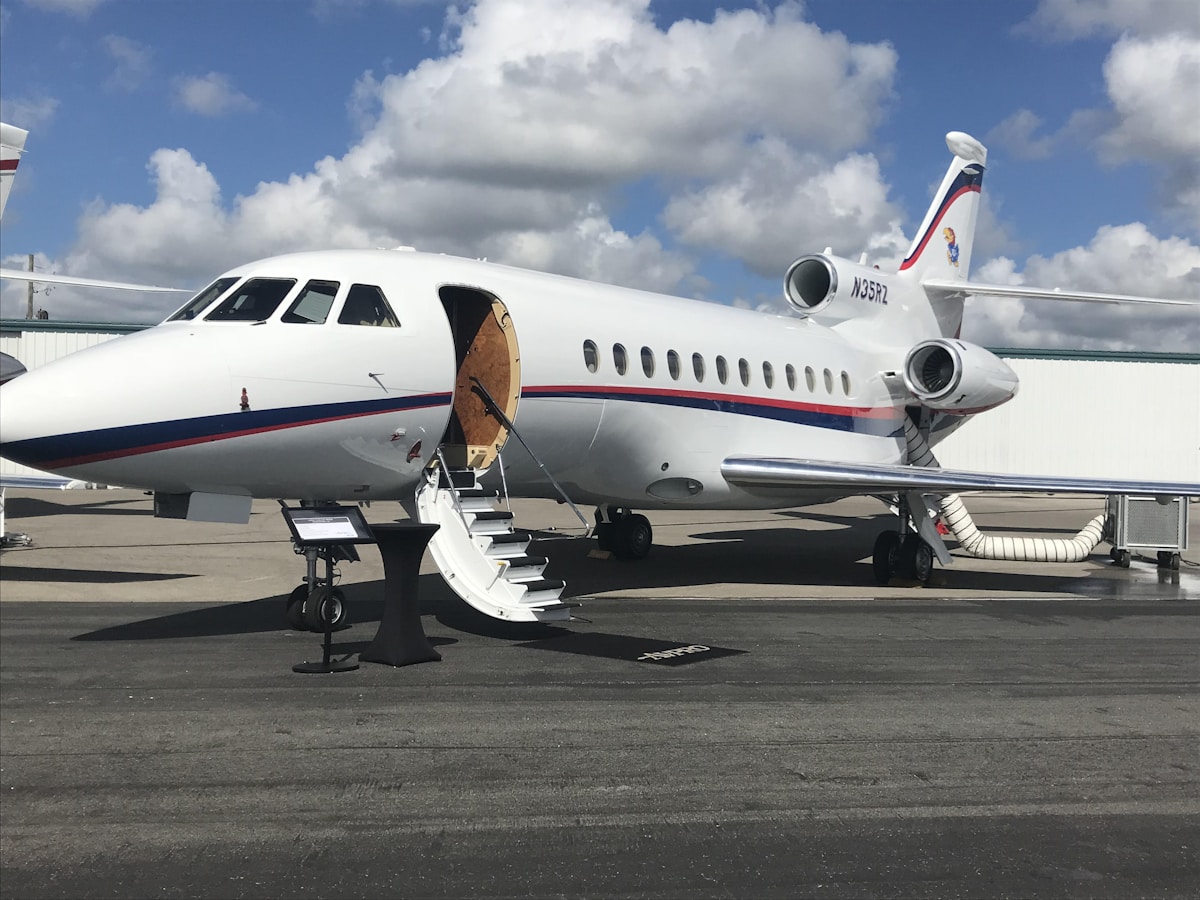
- Primary Signal: Private Jet Cards vs Fractional Ownership: Which Makes Sense in 2026
- Overview: Jet cards and fractional ownership both offer guaranteed access to private jets, but they suit very different flyers. This guide compares costs, flexibility and commitment so you c...
- Verification: Analyzed and compiled by LuxeLiving 768 editorial monitoring desk.
If you fly privately more than a few times a year, on-demand charter starts to feel inefficient. You are shopping for aircraft every trip, negotiating rates and hoping for availability. Jet cards and fractional ownership are the two structured alternatives, and both promise guaranteed access at predictable prices. But they work very differently, and choosing the wrong one is an expensive mistake.
This guide compares jet cards and fractional ownership on cost, flexibility, commitment and who each model actually suits in 2026.
How Jet Cards Work
A jet card is a prepaid block of flight hours, typically 25 hours, bought from a single provider at a fixed hourly rate. You pay upfront, often $150,000 to $300,000 depending on the aircraft class, and draw down the hours as you fly. The rate is locked in, availability is guaranteed with a set notice period, and you can usually choose between aircraft categories. The card expires after a set period, commonly 12 to 24 months, and unused hours may or may not roll over depending on the programme. Jet cards suit flyers who want predictable pricing without a long-term commitment.
How Fractional Ownership Works
Fractional ownership means buying a share of a specific aircraft, typically one-sixteenth to one-half, which entitles you to a set number of flight hours per year. A one-sixteenth share usually costs several hundred thousand dollars upfront, plus monthly management fees and hourly operating costs. In return, you get guaranteed availability, a consistent aircraft, and an asset that holds some resale value. Contracts typically run for five years, and exiting early can be costly. Fractional ownership suits flyers who use the same aircraft type regularly and fly enough hours to justify the commitment.
Cost Comparison: The Real Numbers
Jet cards are cheaper to enter but more expensive per hour. You pay a premium for flexibility and the absence of a long contract. Fractional ownership costs more upfront and carries monthly fees, but the hourly operating cost is lower, so it becomes cheaper as your annual hours rise. As a rough guide, if you fly fewer than 50 hours a year, a jet card is usually the better value. Above 50 to 75 hours a year, fractional ownership starts to make financial sense. Above 100 hours, owning a share or even a whole aircraft becomes worth considering. Always compare the all-in cost, including fees, fuel surcharges and repositioning, rather than the headline hourly rate.
Flexibility and Commitment
Jet cards win on flexibility. You can usually switch aircraft categories, fly different routes, and walk away when the card expires. Fractional ownership wins on consistency: you fly the same aircraft type, with the same configuration, and availability is typically stronger at peak times. The trade-off is commitment: a five-year fractional contract with monthly fees is a serious obligation, and selling a share takes time. If your travel patterns change, a jet card adapts easily while a fractional share does not.
Which One Should You Choose?
Choose a jet card if you fly privately occasionally, value flexibility, and want predictable pricing without a multi-year commitment. Choose fractional ownership if you fly more than 50 hours a year, usually on the same routes and aircraft type, and want guaranteed availability at peak times. If you fly fewer than 25 hours a year, neither model may beat on-demand charter or empty legs. The right choice depends on your hours, your routes and your tolerance for commitment, not on which programme sounds more impressive.
Key Takeaways
- Jet cards are prepaid blocks of hours, usually 25, with fixed rates and no long-term contract.
- Fractional ownership is a share of an aircraft with upfront cost, monthly fees and a multi-year contract.
- Under 50 hours a year, a jet card is usually better value; above that, fractional ownership starts to win.
- Jet cards offer flexibility; fractional ownership offers consistency and stronger peak availability.
- Under 25 hours a year, on-demand charter or empty legs are often cheaper than either model.
Frequently Asked Questions
How much does a jet card cost? A 25-hour jet card typically costs $150,000 to $300,000 upfront, depending on the aircraft class, with rates locked in for the card's duration.
How much does fractional jet ownership cost? A one-sixteenth share typically costs several hundred thousand dollars upfront, plus monthly management fees and hourly operating costs.
Can I sell my fractional share? Yes, usually back to the provider or on the secondary market, but the process takes time and the resale value depends on the aircraft and the market.
Do jet card hours expire? Usually yes, after 12 to 24 months depending on the programme. Some providers allow rollover or extensions for a fee.
Jet cards and fractional ownership solve the same problem in different ways. Count your annual hours honestly, compare the all-in costs, and choose the model that matches how you actually fly. The best programme is the one you use enough to justify.
More from LuxeLiving 768