How to Buy a Watch at Auction: A Beginner's Guide to Bidding With Confidence
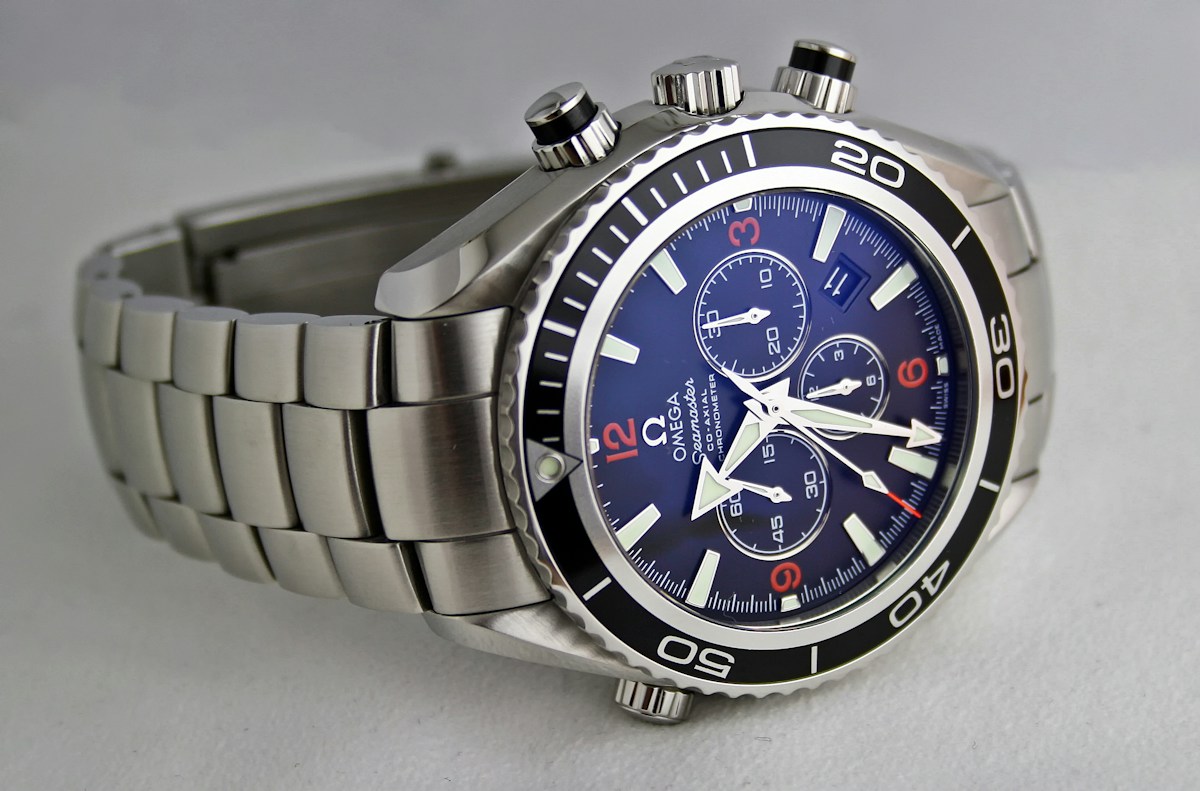
- Primary Signal: How to Buy a Watch at Auction: A Beginner's Guide to Bidding With Confidence
- Overview: Watch auctions are where rare and vintage timepieces change hands, but bidding without preparation is an expensive mistake. This guide explains how auctions work, what fees to expe...
- Verification: Analyzed and compiled by LuxeLiving 768 editorial monitoring desk.
Some of the most desirable watches in the world never appear in a shop. They surface at auction, where collectors bid for rare references, vintage pieces and watches with remarkable provenance. Auction results regularly make headlines, with exceptional pieces selling for millions, but the majority of auction watches sell for far less, and a well-prepared beginner can find real value there.
Buying at auction is different from buying retail. You are bidding against other collectors, the fees sit on top of the hammer price, and the watch is usually sold as seen. This guide explains how watch auctions work and how to approach your first one without costly mistakes.
How Watch Auctions Work
The major auction houses for watches are Christie's, Sotheby's, Phillips and Antiquorum, along with specialist online platforms. Before each sale, the house publishes a catalogue with estimates for every lot, and the watches are available to view in person or online. On sale day, bidding starts below the low estimate and rises in set increments until one bidder remains. The winning bid is called the hammer price, and the buyer then pays a buyer's premium on top, usually 20 to 26 percent depending on the house and the price. That premium is the single most important number to understand, because it turns a $10,000 hammer price into a $12,000 to $12,600 invoice.
Research Before You Bid
Never bid on a watch you have not researched. Start with the catalogue and the estimate, then check recent results for the same reference to see what it actually sells for, not just what it is estimated at. Study the condition report carefully: it notes scratches, replacement parts, service history and whether the watch comes with its original box and papers, all of which affect value significantly. A watch with its original box and papers is usually worth more than the same watch without them. If possible, attend the preview and handle the watch yourself, or ask the house's specialists questions before the sale.
Set Your Limit and Stick to It
The most expensive mistake in auction is getting caught up in the moment. Before the sale, decide your maximum hammer price and write it down, remembering to add the buyer's premium and any taxes or shipping. A useful rule is to set your limit at roughly 75 to 80 percent of the total you are willing to pay, leaving room for the premium. Bid in the increments the auctioneer asks for, and stop when you hit your limit, no matter how close the next bid feels. There will always be another auction, and overpaying for one watch is worse than losing it.
Bidding in Person, by Phone and Online
You can bid in the room, by phone through a house representative, by leaving an absentee bid, or online through the house's platform. Bidding in person is the most exciting but also the easiest way to overspend. Phone and absentee bidding remove the adrenaline and help you stick to your limit. Online bidding has made auctions far more accessible, but be aware of time zones and internet delays, and register well in advance, because houses verify new bidders and may ask for a deposit or references before approving you.
What to Watch Out For
Condition is everything in vintage watches. A replaced dial, polished case or non-original movement part can cut a watch's value substantially, and these details are not always obvious in photographs. Be cautious with watches described as over-polished or with service replacement parts, unless the price reflects it. Also check the payment terms and the collection deadline: most houses expect payment within a week, and storage fees apply if you delay. Finally, budget for servicing. Many auction watches need a service soon after purchase, which can cost several hundred dollars or more.
Key Takeaways
- The buyer's premium, usually 20 to 26 percent, sits on top of the hammer price and must be included in your budget.
- Research recent results for the same reference and read the condition report carefully.
- Set a maximum hammer price before the sale and stop bidding when you reach it.
- Phone, absentee and online bidding help you stay disciplined compared with bidding in the room.
- Check for original box and papers, and budget for a service after purchase.
Frequently Asked Questions
How much is the buyer's premium at a watch auction? Usually 20 to 26 percent of the hammer price, depending on the auction house and the price of the lot. It is added to your invoice after the sale.
Can anyone bid at a watch auction? Yes, but you must register in advance. Auction houses verify new bidders and may ask for identification, references or a deposit.
Are auction watches authentic? Reputable houses employ specialists who check authenticity, but watches are generally sold as seen, so read the condition report and ask questions before bidding.
Do auction watches come with a warranty? Generally no. Auction watches are sold as seen, and any servicing after purchase is the buyer's responsibility.
Watch auctions reward preparation and punish impulse. Research the reference, understand the premium, set a firm limit and bid through a channel that keeps you disciplined. Do that, and your first auction can be the start of a collection rather than an expensive lesson.
More from LuxeLiving 768