How to Buy a Yacht for the First Time
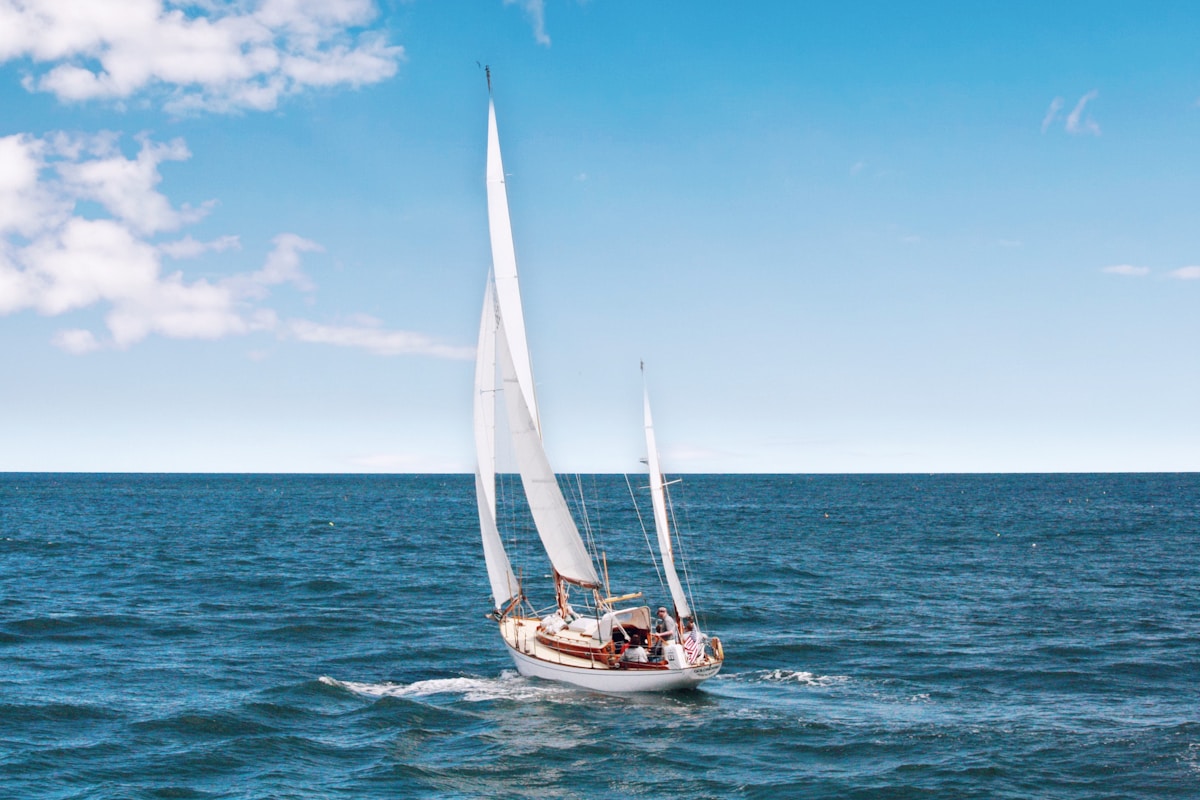
- Primary Signal: How to Buy a Yacht for the First Time
- Overview: Buying your first yacht is exciting and easy to get wrong. Here is how to choose the right size and type, what the real costs are, and the mistakes first-time buyers should avoid....
- Verification: Analyzed and compiled by LuxeLiving 768 editorial monitoring desk.
There is a saying in yachting that the two happiest days of a boat owner's life are the day they buy the boat and the day they sell it. The joke exists because first-time buyers often buy the wrong boat, underestimate the costs, or discover too late that the yacht they fell in love with does not match how they actually use it. Buying a yacht does not have to end that way. With the right preparation, a first yacht can be one of the best purchases you ever make. Here is how to buy one properly.
The most common first-time mistake is buying too much boat. A bigger yacht looks impressive, but it costs more to buy, more to berth, more to crew, and more to maintain, and it is harder to handle. The right size is the smallest yacht that comfortably does what you want. If you plan day trips with friends, a 40 to 50 foot motor yacht is plenty. If you plan weekends aboard with family, look at 50 to 65 feet. If you want to cross oceans, you need a different kind of yacht entirely, with the range, the tankage, and the systems for long passages. Be honest about how you will use it, not how you imagine using it.
Then choose between a motor yacht and a sailing yacht. Motor yachts are faster, more spacious, and easier to handle, which is why most first-time buyers choose them. Sailing yachts are cheaper to run and more rewarding to sail, but they need more skill and more patience. Within motor yachts, there are flybridge models, which add an upper deck for entertaining, and sports models, which are sleeker and faster. Try both before you decide. Charter a similar yacht for a weekend, and you will learn more about what you want than any number of boat show visits.
The purchase price is only the beginning. The rule experienced owners use is that a yacht costs roughly 10 percent of its purchase price every year to own, covering berthing, insurance, maintenance, fuel, and crew. A yacht that costs $1 million to buy will cost roughly $100,000 a year to keep, and that figure rises with size and age. Berthing is often the biggest single cost after fuel, and marina fees in popular locations can be very expensive, so check berthing availability and price before you buy, not after. In some places, there is a waiting list for berths, and a yacht without a berth is a problem, not an asset.
Get a proper survey before you buy, and never skip it. A marine surveyor inspects the hull, the engines, the electrics, and the systems, and the survey report tells you what needs fixing and what it will cost. A survey costs a few thousand dollars, but it can save you tens of thousands by revealing problems the seller did not mention. Also budget for a sea trial, where you take the yacht out and test it properly. If the seller will not allow a survey and a sea trial, walk away. That refusal is the clearest warning sign in yacht buying.
The first classic mistake is buying on emotion at a boat show. A yacht looks wonderful under show lights, with music playing and champagne flowing, but that is not how you will use it. Take your time, see the yacht twice, and sleep on the decision. The second mistake is underestimating crew. A yacht over about 60 feet usually needs professional crew, and crew salaries, food, and accommodation add a large fixed cost. If you want to run the yacht yourself, keep it small enough to handle with family or friends.
The third mistake is buying a yacht that is already at the end of its life. An old yacht can look like a bargain, but an ageing engine, worn-out systems, and an outdated interior can cost more to fix than the yacht is worth. Buy the newest, best-maintained yacht your budget allows, rather than the biggest or the cheapest. And use a reputable yacht broker, preferably one who is a member of a professional association, because a good broker protects you from bad deals and handles the paperwork, the registration, and the sea trial. A first yacht should be a pleasure, not a project.
Buy the smallest yacht that does what you actually want, charter first to learn what you like, budget roughly 10 percent of the purchase price a year for running costs, and never skip the survey and sea trial. Do that, and your first yacht will be a pleasure, not a regret.
More from LuxeLiving 768