Best Luxury Watch Brands for First-Time Buyers in 2026
- Primary Signal: Best Luxury Watch Brands for First-Time Buyers in 2026
- Overview: Your first luxury watch should be wearable daily, hold its value, and suit your wrist. Compare the best entry-level choices from Rolex, Omega, Cartier and Tudor....
- Verification: Analyzed and compiled by LuxeLiving 768 editorial monitoring desk.
Buying your first luxury watch is exciting and intimidating in equal measure. Prices range from a few thousand to tens of thousands, and the wrong choice can mean a watch that sits in a drawer. The right first watch is one you will actually wear daily, that suits your lifestyle, and that holds its value reasonably well if you ever sell it. This guide compares the strongest first-time brands, explains how to choose for your wrist and routine, and covers the buying and ownership costs that first-time buyers often overlook.
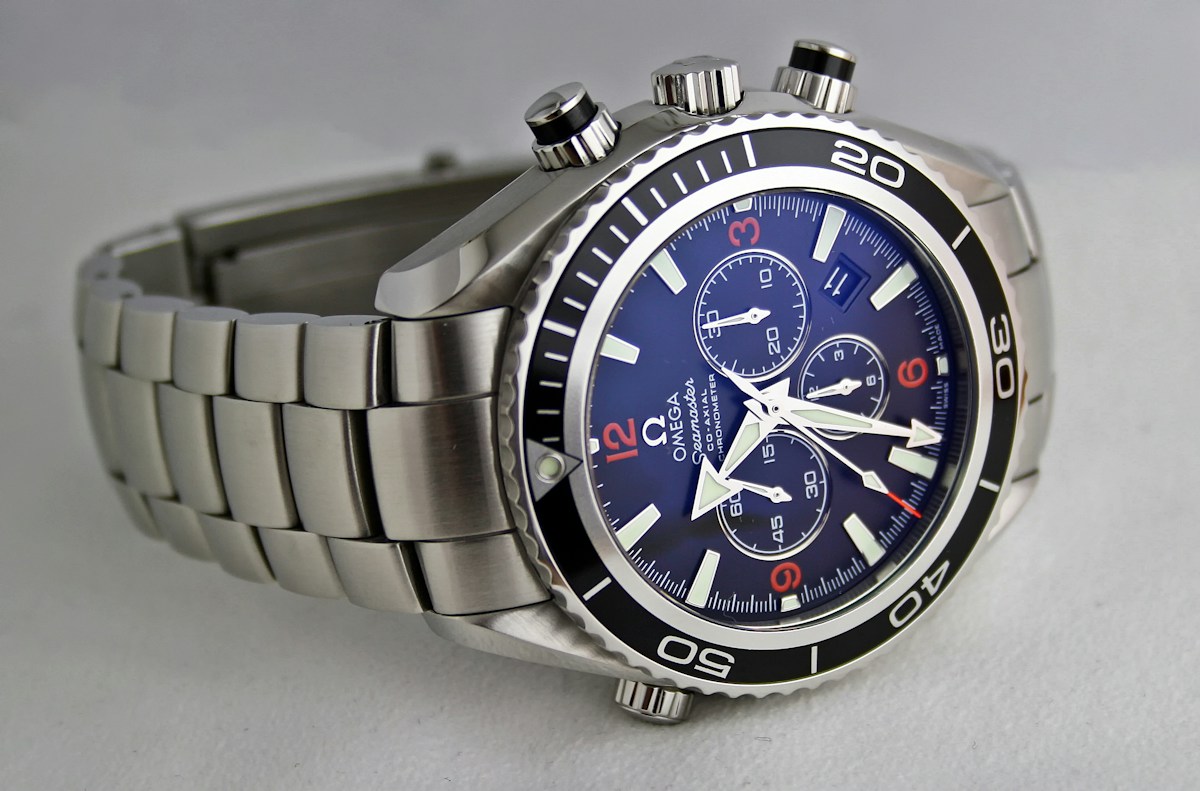
Rolex remains the default first luxury watch for good reason: recognisable, durable, and strong on resale, though entry models now carry waiting lists and premiums over retail. Omega offers comparable quality and history, from the Speedmaster to the Seamaster, often at a lower price and with easier availability, making it the value choice for many buyers. Cartier suits buyers who want elegance over sportiness, with the Santos and Tank offering timeless design that works with formal and smart-casual outfits alike. Tudor, Rolex's sister brand, delivers much of the same build quality at roughly half the price, and its Black Bay divers are among the best-value first luxury watches available. Also consider IWC, Grand Seiko, and Breitling if their designs speak to you, but start with this shortlist and narrow by trying watches on.
A diver's watch with 200 metres of water resistance suits an active lifestyle and daily wear, shrugging off swimming, rain, and knocks, while a slim dress watch suits office and formal use but scratches more easily and may not survive a swim. Consider your wrist size too: a 36 to 40mm case fits most wrists comfortably, and oversized watches that looked good in a display case can feel heavy after a full day. Lug-to-lug length matters as much as diameter, since long lugs overhang a slim wrist. Think about your strap preference as well: steel bracelets are durable and versatile, rubber suits sport, and leather looks elegant but wears faster and dislikes water. Try watches on in person whenever possible, since photos lie about proportions.
Buying new from an authorised dealer gives you a full manufacturer warranty and peace of mind but often means waiting lists for popular models and little room to negotiate. Pre-owned from a reputable dealer can save 20 to 40 percent and gives access to discontinued models, provided you verify authenticity, service history, and condition in detailed photos or in person. Grey market dealers offer discounts on new watches but sometimes without manufacturer warranty, so weigh the saving against the risk and check what warranty the dealer itself provides. Whichever route you choose, buy from sellers with verifiable reviews, a clear return policy, and a physical presence or long trading history. If a deal is far below market price, walk away, since luxury watches are among the most counterfeited products in the world.
Most first luxury watches use automatic mechanical movements, wound by your wrist movement, with a power reserve of roughly 40 to 70 hours. Quartz watches are more accurate and cheaper to maintain but lack the mechanical appeal most collectors want. Steel is the practical default: durable, easy to refinish, and strong on resale. Gold and two-tone watches look luxurious but cost more, scratch more visibly, and often depreciate faster. Keep complications simple for a first watch: a date and a rotating bezel are genuinely useful, while chronographs and GMT functions are fun but add servicing cost and thickness. Sapphire crystal, solid end links, and a screw-down crown are quality markers worth checking on any watch you consider.
A mechanical watch needs servicing every five to seven years, costing several hundred dollars, and daily wear means scratches and occasional repairs such as bracelet refinishing or crystal replacement. Insurance is worth considering for anything above a few thousand dollars, either through a specialist watch insurer or a rider on your home policy, and keeping the box, papers, and service records protects resale value dramatically. Store the watch away from magnets, extreme heat, and moisture, and avoid setting the date between 9pm and 3am on many movements, when the date mechanism is engaged. Budget for ownership, not just purchase, before you commit, and set aside the first service cost from day one.
For most first-time buyers, Tudor or Omega offer the best balance of quality, wearability and value, with Rolex the strongest choice if resale matters most and Cartier the pick for elegance. Buy for your wrist and your life, not for the brand name alone, and choose the watch you will reach for every morning rather than the one that impresses other collectors.
📖 Continue Reading the Full Story
Continue reading this article on LuxeLiving 768.
⚡ Access Full Content NowMore from LuxeLiving 768



 🛍️ Caylin Shop
The Viral TikTok Shop Products Buyers Regret Most: What Gets Returned in 2026
Not every viral find is a keeper. These are the product categories TikTok Shop buyers send back most often — a...
 ✈️ SkyFree Club
What Is an AI Receptionist for Travel Agencies? A 2026 Guide
How AI voice receptionists give travel agencies 24/7 booking lines — answering trip inquiries, quoting package...
 ⚡ SkyFree Athletics
What Is an AI Receptionist for Gyms and Fitness Studios? A 2026 Guide
How AI voice receptionists give gyms 24/7 front-desk coverage — class bookings, membership inquiries, and tria...
 🖋️ SkyFree Chronicles
What Is an AI Receptionist for Bookshops and Indie Publishers? A 2026 Guide
How AI voice receptionists handle after-hours calls for bookshops and small publishers — order inquiries, even...