Ferrari vs Lamborghini Maintenance Costs: Which Is Cheaper to Own?
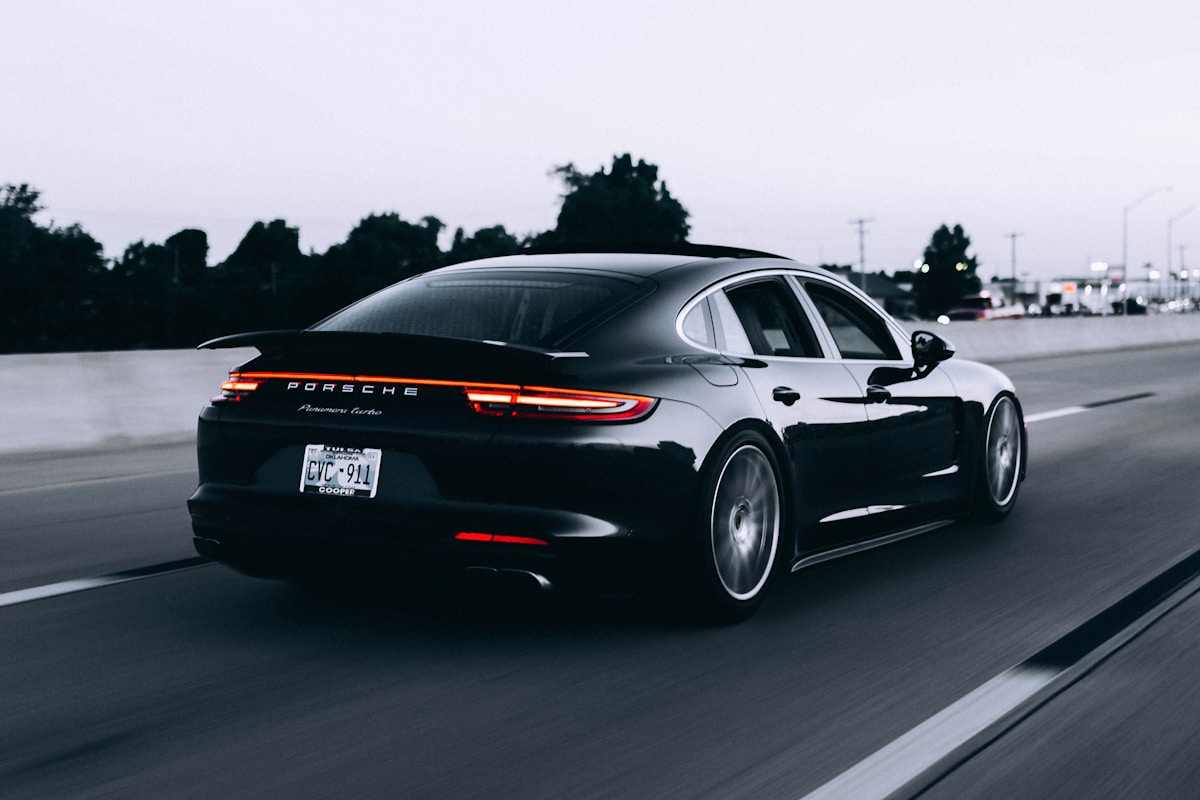
- Primary Signal: Ferrari vs Lamborghini Maintenance Costs: Which Is Cheaper to Own?
- Overview: Both badges promise drama, but their service bills tell different stories. Here is a realistic comparison of Ferrari and Lamborghini ownership costs....
- Verification: Analyzed and compiled by LuxeLiving 768 editorial monitoring desk.
Choosing between Ferrari and Lamborghini is usually framed as a question of style and sound, but for anyone who actually plans to drive the car, the smarter question is about the service bill. Both brands build extraordinary machines with extraordinary running costs, yet their ownership experiences differ in meaningful ways, from service intervals to parts prices and warranty coverage. Understanding those differences before buying can save tens of thousands over a typical ownership period.
Annual scheduled service is the baseline every owner pays. For a modern Lamborghini such as the Huracan, yearly service typically runs from under a thousand to around fifteen hundred dollars for a basic visit, with larger services every two to three years costing significantly more. Ferrari's schedule is broadly comparable for current models, with annual services in a similar range, but Ferrari's longer history of maintenance programs, including seven years of scheduled maintenance on many recent models, can reduce early ownership costs for buyers who choose carefully.
The wear items are where the bills accelerate, and here the two brands are strikingly similar. High-performance tires last far fewer miles than ordinary tires, often needing replacement due to age and heat cycles rather than tread wear, with a set costing several thousand dollars. Brake jobs, especially carbon-ceramic systems, can add thousands more every fifteen to twenty thousand miles for enthusiastic drivers. Neither brand offers a cheap way around physics: lightweight, powerful cars consume tires and brakes at a rate that shocks first-time owners.
Unexpected repairs separate the ownership experience more than routine service does. Both brands rely on specialist technicians and factory parts, and a single complex repair, such as a transmission or suspension issue, can climb into five figures quickly. Lamborghini owners frequently report diagnostic visits costing thousands simply to identify an electronic fault, while Ferrari owners face similar bills for their cars' sophisticated systems. Extended warranties and pre-purchase inspections are therefore not optional extras; they are financial protection.
Insurance is another major line item that varies by model, location, and driver history, with annual premiums for a typical supercar often reaching several thousand dollars and sometimes far more. Depreciation, meanwhile, is the largest single cost for most new buyers: a new supercar can lose a substantial portion of its value in the first year alone, though limited editions and certain models hold value far better. Ferrari's limited production strategy has historically supported residuals more strongly, which is one reason its cars often cost less to own overall despite similar service bills.
Fuel, storage, and transport add the final layers. Supercars demand premium fuel and return modest mileage, enclosed transport for long trips costs thousands per journey, and proper storage with climate control and battery maintenance is essential for cars that sit unused. Owners who drive regularly spend more on consumables, while owners who rarely drive spend more on storage and age-related maintenance, which means there is no cheap way to own either badge.
The verdict depends on the specific model and how you buy it. A Ferrari with remaining factory maintenance coverage and strong residuals often works out cheaper over five years, while a Lamborghini can be the better buy when purchased well and driven enthusiastically. Whichever badge you choose, budget up to ten percent of the car's value annually for upkeep, and buy the car for the driving, not for the fantasy that ownership ends at the showroom.
Certified pre-owned programs change the ownership maths considerably for both brands, because they bundle inspections, warranties, and sometimes maintenance coverage that remove the worst financial surprises. A Ferrari approved car or a Lamborghini Selezione vehicle has passed a manufacturer inspection and typically includes warranty protection that a private sale cannot offer, which is why these cars command a premium that often pays for itself. Independent specialists offer a cheaper alternative for routine service once warranties expire, and experienced owners frequently mix dealer service for complex work with trusted independents for consumables. The key is finding a specialist with genuine experience on your model before you need one urgently, because a rushed search during a breakdown rarely ends well. Whichever route you choose, a documented service history protects resale value more than any single repair ever could.
📖 Continue Reading the Full Story
Continue reading this article on LuxeLiving 768.
⚡ Access Full Content NowMore from LuxeLiving 768


 ✈️ SkyFree Club
2026 Industry Analysis: Typing Speed Test — WPM & Accuracy Test Online (Day 3 Guide)
Why experts rely on Typing Speed Test — WPM & Accuracy Test Online on SkyFree Club. Discover essential market ...
 ⚡ SkyFree Athletics
Deep-Dive Audit: Typing Speed Test — WPM & Accuracy Test Online (Day 4 Guide)
Mastering performance metrics with the Typing Speed Test — WPM & Accuracy Test Online on SkyFree Athletics. Di...
 🖋️ SkyFree Chronicles
Beginner to Advanced: Typing Speed Test — WPM & Accuracy Test Online (Day 5 Guide)
How to maximize results using the Typing Speed Test — WPM & Accuracy Test Online on SkyFree Chronicles. Discov...
 🌿 SkyFree Living
Strategic Blueprint: Typing Speed Test — WPM & Accuracy Test Online (Day 6 Guide)
Unlocking high-yield efficiency through Typing Speed Test — WPM & Accuracy Test Online on SkyFree Living. Disc...