How Do Billionaires Protect Their Privacy While Travelling?
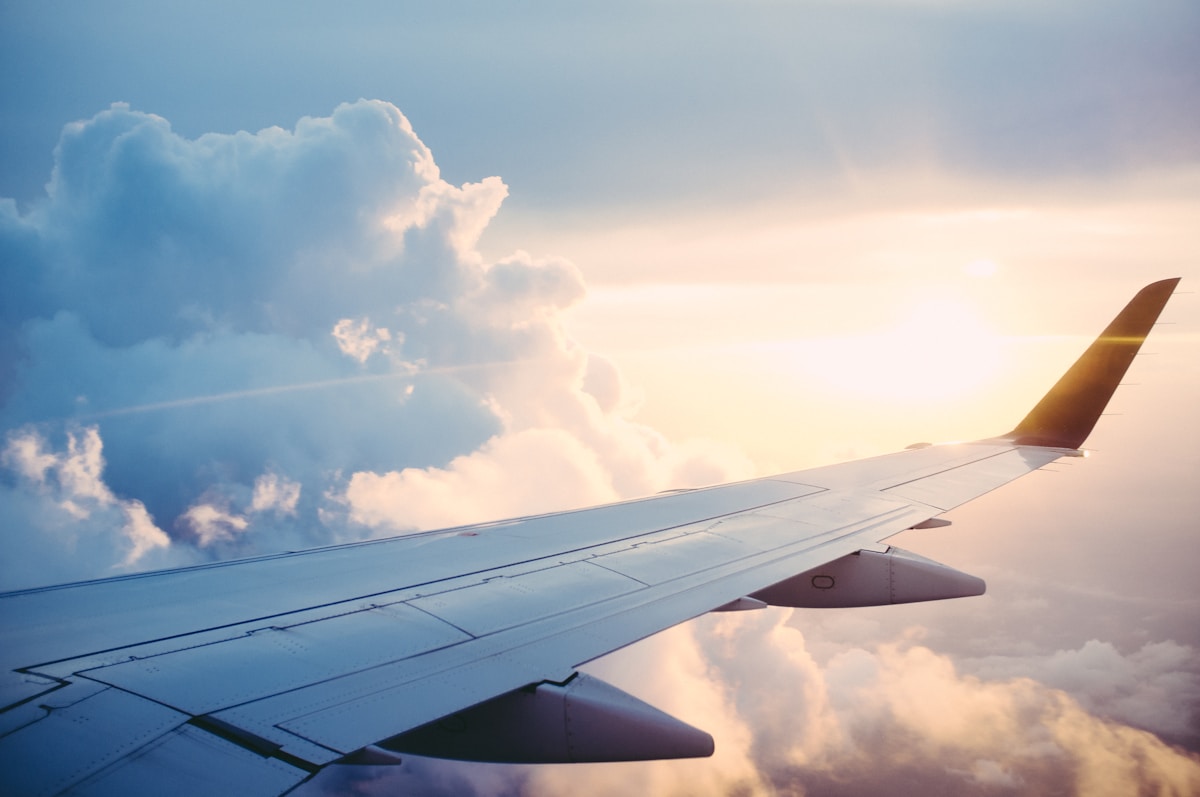
- Primary Signal: How Do Billionaires Protect Their Privacy While Travelling?
- Overview: Private terminals, discreet staff, and careful digital habits — the layered privacy system wealthy travellers actually use....
- Verification: Analyzed and compiled by LuxeLiving 768 editorial monitoring desk.
Wealthy travellers protect their privacy through layers of planning rather than a single trick, because no one measure — a private jet, a pseudonym, or a discreet hotel — is sufficient on its own. Their approach combines careful travel logistics, trusted staff, controlled information, and digital habits, all designed to reduce the number of people who know where they are, when they arrive, and where they are staying. The goal is rarely invisibility, which is almost impossible for a public figure, but friction: making it difficult, time-consuming, and unrewarding for unwanted attention to follow them.
Private aviation is the most visible layer, and its privacy value comes less from luxury than from control over terminals, schedules, and passenger lists. Private terminals, often called fixed-base operators, allow travellers to arrive minutes before departure, avoid public departure boards, and board without passing through crowded terminals, while flight plans for private aircraft are less publicly tracked than commercial schedules, although not entirely invisible. For shorter trips, a private car with a trusted driver, rather than a taxi or ride-hailing app that logs the journey, serves a similar purpose on the ground.
Accommodation privacy depends on choosing properties and arrangements that limit exposure, such as booking a private villa with its own entrance rather than a hotel room reached through a public lobby, or reserving an entire floor or wing where that is possible. Many luxury hotels have discreet check-in procedures, private elevators, and staff trained not to confirm a guest's presence, and wealthy travellers often book through a trusted assistant or travel manager so their own name does not appear on every reservation. Staff discretion is enforced by confidentiality agreements, but it is also earned through long relationships with properties that value repeat, high-spending guests.
Digital privacy is the layer most travellers underestimate, because a single tagged photograph, a location-enabled post, or a shared itinerary can undo hours of careful planning. Wealthy travellers and their teams typically delay social media posts until after they have left a location, disable location services on photographs, avoid public Wi-Fi for sensitive work, and use separate devices or accounts for travel. They also control who receives itinerary details, sharing full plans only with essential staff and giving friends and family a general location rather than a precise address or arrival time.
Public appearances and events require a different kind of planning, because a traveller who must attend a conference, a gala, or a business meeting cannot avoid being seen. In those cases, privacy means controlling the context: arriving and leaving through private entrances, limiting photography, keeping the schedule tight so there is little unplanned time in public, and using security or local staff to manage crowds discreetly. The aim is to be visible where visibility is required and invisible everywhere else, rather than attempting to hide during a public engagement itself.
Finally, ordinary travellers can borrow the most useful parts of this system without a billionaire's budget, because the principles scale down well. Delay location posts until you have left, book accommodation with a private entrance where possible, share precise itineraries only with trusted contacts, and use private transport for late-night arrivals. Privacy while travelling is ultimately about deciding who needs to know what, and when, and then sticking to that decision consistently — a discipline that protects anyone, regardless of wealth, from unwanted attention on the road.
A simple habit that helps everyone is to review photo metadata before posting, since many phones embed location data in images by default, and removing that data takes seconds but prevents a precise location from travelling with an otherwise innocent holiday photograph.
📖 Continue Reading the Full Story
Continue reading this article on LuxeLiving 768.
⚡ Access Full Content NowMore from LuxeLiving 768



 🛍️ Caylin Shop
Viral Gifts for Teenage Girls 2026: What's Actually on Their Lists
Teenage wish lists in 2026 are dominated by a few beloved beauty brands, collectible plush, and trending bottl...
✈️ SkyFree Club
Mobile & Cloud Optimization: Playback Speed Calculator — Video Time at Any Speed (Day 16 Guide)
Testing responsive workflows with the Playback Speed Calculator — Video Time at Any Speed on SkyFree Club. Dis...
 ⚡ SkyFree Athletics
Performance Benchmark: Playback Speed Calculator — Video Time at Any Speed (Day 7 Guide)
Understanding real-world data from the Playback Speed Calculator — Video Time at Any Speed on SkyFree Athletic...
 🖋️ SkyFree Chronicles
Expert Insights: Playback Speed Calculator — Video Time at Any Speed (Day 8 Guide)
The science behind our free Playback Speed Calculator — Video Time at Any Speed on SkyFree Chronicles. Discove...