How Much Does It Really Cost to Charter a Private Yacht in 2026?
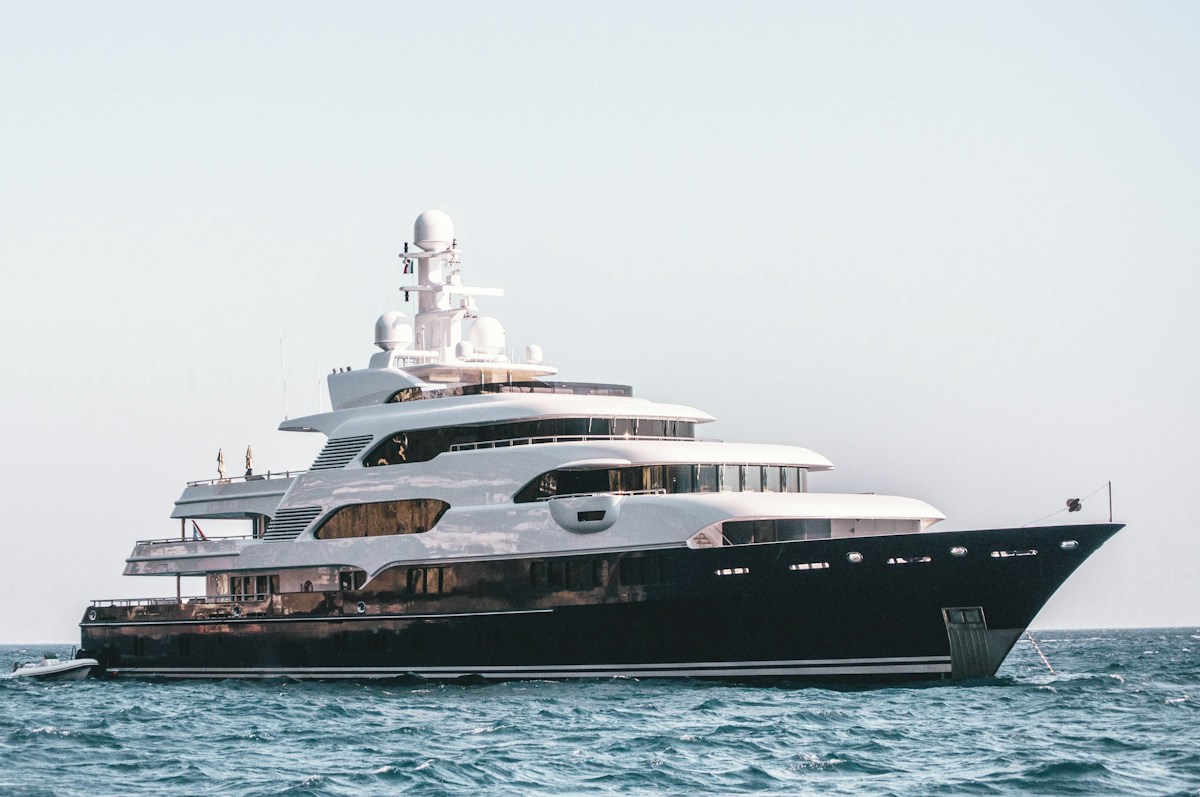
- Primary Signal: How Much Does It Really Cost to Charter a Private Yacht in 2026?
- Overview: Private yacht charter costs explained in full: base rates, APA, crew gratuity, taxes, and what a first charter really adds up to....
- Verification: Analyzed and compiled by LuxeLiving 768 editorial monitoring desk.
Chartering a private yacht sounds like a fantasy reserved for billionaires, but the real market is broader and more structured than most people imagine. Weekly base rates for crewed yachts range from tens of thousands for a comfortable catamaran to hundreds of thousands for a superyacht, and the headline rate is only part of the story. Understanding the full cost structure, from the APA to crew gratuity, is what separates a well-planned charter from an unpleasant surprise.
Most yacht charters are quoted as a weekly base rate that covers the yacht itself, its crew, insurance, and basic equipment such as tenders and water toys. As a rough guide, crewed sailing catamarans in the Mediterranean often start around $35,000 per week, while motor yachts generally begin at $120,000 and rise steeply with size and luxury level. Larger yachts, in the 100 to 130 foot range, commonly run $80,000 to $150,000 per week before extras.
Remember that the base rate buys the whole yacht, not a per-person cabin, so the cost per guest falls sharply with group size. A yacht sleeping ten or twelve splits its weekly rate across the group, which is why a crewed catamaran shared among friends can cost less per person than a luxury cruise cabin, even though the total figure looks intimidating at first glance.
The Advanced Provisioning Allowance, or APA, is an upfront payment, typically 25 to 35 percent of the base rate, that covers running expenses during your charter: fuel, food, drinks, port fees, and local taxes. Your captain manages this budget, keeps receipts, and refunds any unspent balance at the end of the trip, or asks for a top-up if you exceed it through heavy fuel use or premium provisions.
The APA is where lifestyle choices show up in the bill. Long daily cruising distances burn more fuel, vintage champagne costs more than local wine, and remote itineraries add delivery charges for provisions. Discuss your preferences honestly with the broker before departure so the APA is set realistically and there are no awkward mid-charter conversations about money.
Crew gratuity is customary and expected, generally 10 to 20 percent of the base rate depending on region and service level, with Mediterranean charters at the lower end and Caribbean and American charters at the higher end. A great crew transforms a charter, handling everything from navigation to gourmet meals, and tipping well is both good manners and good sense if you ever want to charter again.
Taxes vary by cruising ground and are charged on top of the base rate in many destinations. Mediterranean countries apply different VAT rates, Spain charges 21 percent for example, while Caribbean charters are generally VAT-exempt except in the Bahamas, where a 14 percent rate applies. Your broker should itemise taxes clearly in the quote, and if they do not, ask before signing.
Ownership appeals emotionally, but the annual cost of running a yacht runs to roughly 10 percent of its purchase price, covering crew, insurance, maintenance, dockage, fuel, and refit reserves. For a $10 million yacht that means well over $1 million per year before depreciation, which itself runs 5 to 8 percent annually in the early years. Unless you plan to use a yacht for six or more weeks every year, chartering is mathematically far cheaper.
Fractional ownership sits between the two, making sense for owners who want four or more weeks of annual use without full ownership costs. For most people, however, chartering different yachts in different destinations each year offers more variety, less risk, and none of the maintenance burden, which is why even many yacht owners charter elsewhere for variety.
📖 Continue Reading the Full Story
Continue reading this article on LuxeLiving 768.
⚡ Access Full Content NowMore from LuxeLiving 768


 🤖 FreeRich AI Hub
How Much Does a Missed Call Really Cost a Tech Small Business?
One missed call isn't one lost ticket — it's a client lifetime. Step-by-step math with every estimate labeled,...
 🚀 RocketCoin Casino
How Much Does a Missed Call Cost a Crypto Casino?
A missed player call isn't just poor service — in gaming, player lifetime value is everything. The step-by-ste...
 ⚽ Football2026 Live
Home Advantage in Football Betting: How Much Is It Really Worth in 2026
Home advantage is real but shrinking, and it varies hugely by team and league. This guide explains what drives...
 🗺️ FreeSky GeoData
How Much Does a Missed Call Cost a GIS Consultancy?
One missed call is not a voicemail — it is a project worth thousands walking to a competitor. The step-by-step...