How to Store Leather Bags at Home So They Don't Crack, Crease or Mould
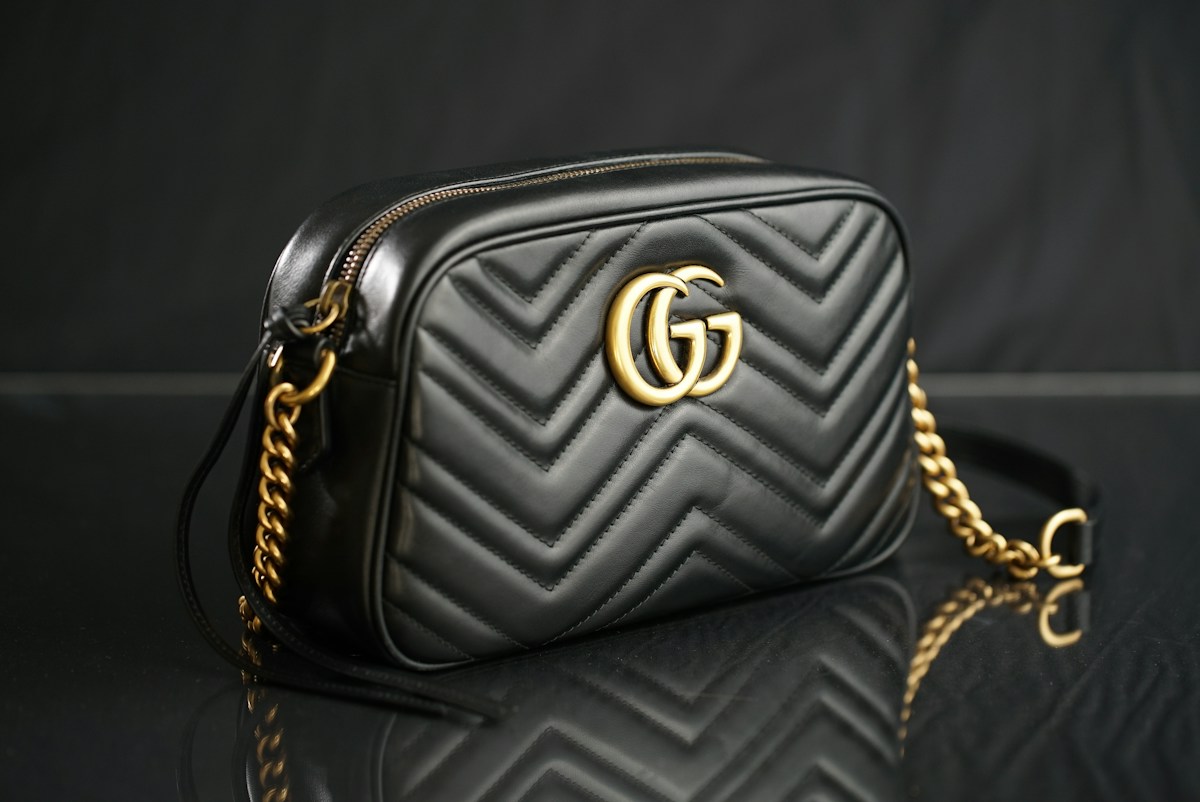
- Primary Signal: How to Store Leather Bags at Home So They Don't Crack, Crease or Mould
- Overview: Leather bags are damaged more by bad storage than by daily use. With the right stuffing, dust bags, and a dry, ventilated spot, you can keep them supple and mould-free for years....
- Verification: Analyzed and compiled by LuxeLiving 768 editorial monitoring desk.
Leather is a skin, and it behaves like one: it dries out, it creases under pressure, and it grows mould in damp, still air. Most of the damage people blame on age actually happens on a shelf, in a plastic bag, or squashed under other bags. Good storage is not complicated, but it does require avoiding a few common mistakes that quietly ruin otherwise well-made bags.
Start by cleaning the bag before you put it away. Wipe it with a soft, dry cloth to remove dust and surface dirt, and spot-clean any marks with a barely damp cloth. Never store a bag that is wet or dirty: moisture trapped in storage feeds mould, and dirt left on the surface can stain or stiffen the leather over months. Let the bag air-dry fully at room temperature, away from radiators and direct sunlight, before it goes anywhere.
Stuffing is the step most people skip, and it matters enormously. An empty bag collapses, and the folds that form become permanent creases. Stuff the bag firmly but not tightly with acid-free tissue paper, clean cotton cloth, or the original inserts if you kept them. Avoid newspaper, which can transfer ink, and avoid overstuffing, which stretches seams and distorts the shape. For structured bags, stuffing alone is usually enough; for soft, slouchy bags, gentle stuffing preserves the intended drape without flattening it.
What you store the bag in matters as much as where. Always use a breathable cotton dust bag, never a sealed plastic bag or box. Leather needs air circulation, and plastic traps humidity, which is exactly how mould starts. If your bag did not come with a dust bag, a clean cotton pillowcase works well. Keep each bag in its own dust bag so hardware, zips, and buckles do not scratch neighbouring bags.
Handles and straps need their own care. Do not hang a heavy bag by its handles for months on end — gravity stretches the leather and strains the stitching. Instead, lay the bag flat or upright on a shelf with the handles tucked inside or laid flat alongside the body. If you must hang a light bag, use a wide, padded hook and rotate it occasionally so the same point does not bear all the weight.
Location is the final piece. Choose a cool, dry, ventilated spot away from direct sunlight, which fades and dries leather, and away from damp walls, basements, and attics with big temperature swings. A bedroom wardrobe shelf or a closet with airflow is ideal. In humid climates, a small silica gel packet inside the dust bag helps, but replace it periodically and never let it sit directly against the leather.
Check stored bags every few months. Take them out, let them breathe, wipe them down, and look for early mould spots, dryness, or stiffness. A quick wipe with a suitable leather conditioner once or twice a year keeps the leather supple, but use conditioner sparingly — over-conditioning makes leather soft and floppy. With clean storage, proper stuffing, and regular checks, a good leather bag can look better at ten years old than a neglected one does at two.
Everything above applies to smooth leather, but suede and nubuck need a gentler touch. Never use regular leather conditioner on them — it will darken and flatten the nap permanently. Instead, use a dedicated suede brush to lift the fibres, a suede eraser for dry marks, and a protector spray made for suede before first use and after cleaning. Water stains on suede should be blotted, never rubbed, and allowed to dry naturally before brushing. Storage is the same — stuffed, in a breathable dust bag, away from humidity — but check suede bags more often, since their open texture picks up dust and moisture faster than smooth leather.
📖 Continue Reading the Full Story
Continue reading this article on LuxeLiving 768.
⚡ Access Full Content NowMore from LuxeLiving 768



 ⚡ SkyFree Athletics
How to Start Working Out at Home Without Equipment for Beginners
A complete beginner's guide to building your first no-equipment home workout routine — the right movements, a ...
 🌿 SkyFree Living
How to Build a Rocket Mass Heater for an Off-Grid Home
A step-by-step guide to building a rocket mass heater: the J-tube combustion core, insulated heat riser, barre...
 🛍️ Caylin Shop
How Much Does a Missed Call Cost an Online Store?
One missed call isn't one lost ring — it's a lost order plus every repeat purchase after it. Here's the step-b...
 📈 FreeRich FIRE
What Is Lifestyle Creep and How to Avoid It After a Raise
Lifestyle creep turns raises into bigger bills instead of bigger savings. Learn the warning signs and the syst...