Supercar Maintenance Cost: What Owners Should Expect Every Year
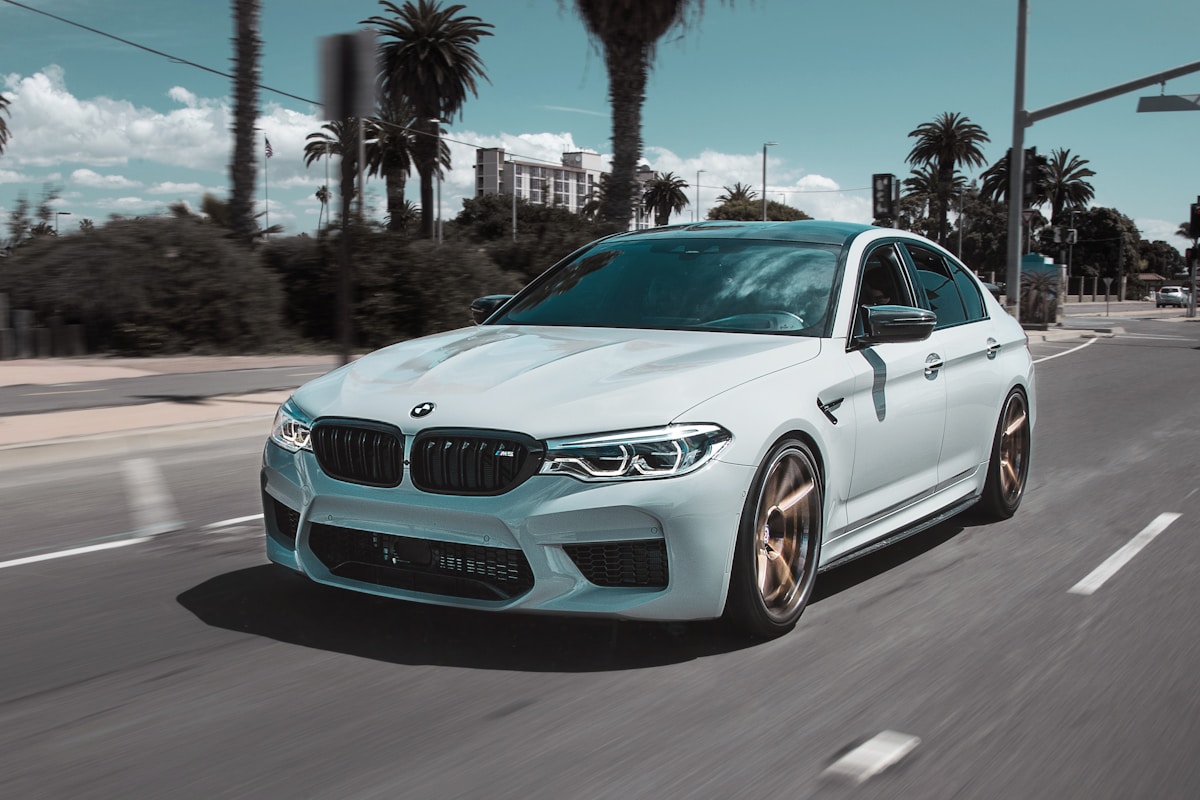
- Primary Signal: Supercar Maintenance Cost: What Owners Should Expect Every Year
- Overview: A supercar's purchase price is only the beginning. Here is a realistic look at servicing, tyres, brakes, insurance, and the running costs owners actually face....
- Verification: Analyzed and compiled by LuxeLiving 768 editorial monitoring desk.
Buying a supercar is an emotional decision, but owning one is a financial routine. The annual running costs of a high-performance car go far beyond fuel, and new owners are often surprised by how quickly servicing, tyres, and insurance add up. A realistic budget protects both the car and your enjoyment of it, because deferred maintenance on a supercar does not just reduce performance, it can hurt resale value and create much larger repair bills later.
Routine servicing is the foundation. Most supercars need an annual service or one based on mileage, whichever comes first, and it typically includes oil, filters, fluid checks, and a detailed inspection. Manufacturer servicing at a main dealer costs more than an independent specialist, but it keeps the service history clean, which matters greatly at resale time. Some owners alternate between dealers and trusted specialists, but skipping services entirely is a false economy that experienced buyers spot immediately.
Tyres and brakes are the biggest consumable costs. Supercar tyres are wide, specialised, and wear faster than ordinary tyres, especially if the car is driven enthusiastically. A full set can be a major expense, and high-performance brakes with carbon-ceramic discs cost far more to replace than standard steel brakes, though they last longer under normal road use. Track days accelerate wear dramatically, so owners who use their cars on circuits should budget separately for that hobby rather than folding it into normal running costs.
Insurance is another major line item, and it varies widely with the driver's age, location, driving history, and how the car is stored. Secure garaging, limited mileage policies, and a clean record can reduce premiums, while young drivers or cars kept on the street face much higher quotes. Agreed-value cover is worth considering for rare or appreciating models, because it guarantees a payout figure in advance rather than leaving it to a market debate after a total loss.
Then there are the costs people forget: battery care for cars that sit unused, detailing and paint protection, replacement of wear items like clutches on some models, and software or recall updates. Supercars dislike sitting idle, so a trickle charger, regular short drives, and proper storage conditions matter. A car that is driven gently and regularly often costs less to maintain than one that sits for months and then needs a long list of age-related fixes.
A sensible rule is to set aside a dedicated annual maintenance fund rather than reacting to each bill. Research your specific model's known weak points before buying, speak to owners' clubs, and get a pre-purchase inspection from a specialist. Ownership becomes far more enjoyable when the costs are expected, because then every drive is about the car itself, not the worry of what the next invoice might bring.
One practical step that saves owners money is building a relationship with a single trusted workshop that knows your car's history, because a mechanic who has seen the car before spots changes faster and avoids repeating diagnostic work. Keep every invoice and record in one file, photograph the car regularly, and address small issues promptly rather than letting them combine into a large repair visit. Owners who treat maintenance as part of the pleasure of ownership, rather than an unwelcome surprise, tend to keep their cars longer, enjoy them more, and sell them for stronger prices when the time comes to move on.
Finally, join an owners' club or online community for your model before you need help, because other owners are often the fastest source of honest advice on costs, reliable specialists, and parts availability. A five-minute question there can save hours of guesswork and prevent an expensive mistake, and the shared enthusiasm makes the practical side of ownership far more enjoyable.
📖 Continue Reading the Full Story
Continue reading this article on LuxeLiving 768.
⚡ Access Full Content NowMore from LuxeLiving 768



 ✈️ SkyFree Club
How Much Does a Missed Call Cost a Travel Agency? The Real Math
One missed call isn't one lost inquiry — it's a traveler's lifetime of trips. Step-by-step math with every est...
 ⚡ SkyFree Athletics
How Much Does a Missed Call Cost a Fitness Studio? The Real Math
One missed call isn't one lost tour — it's a member's annual dues. Step-by-step math with every estimate label...
 🖋️ SkyFree Chronicles
How Much Does a Missed Call Cost a Bookshop? The Real Math
One missed call isn't one lost paperback — it's a reader's lifetime value. Step-by-step math with every estima...
 🌿 SkyFree Living
How Much Does a Missed Call Cost a Remote Lodge? The Real Math
One missed call isn't one lost inquiry — for a remote lodge it can be a week's revenue. Step-by-step math, eve...