Supercar vs Hypercar: What's the Real Difference?
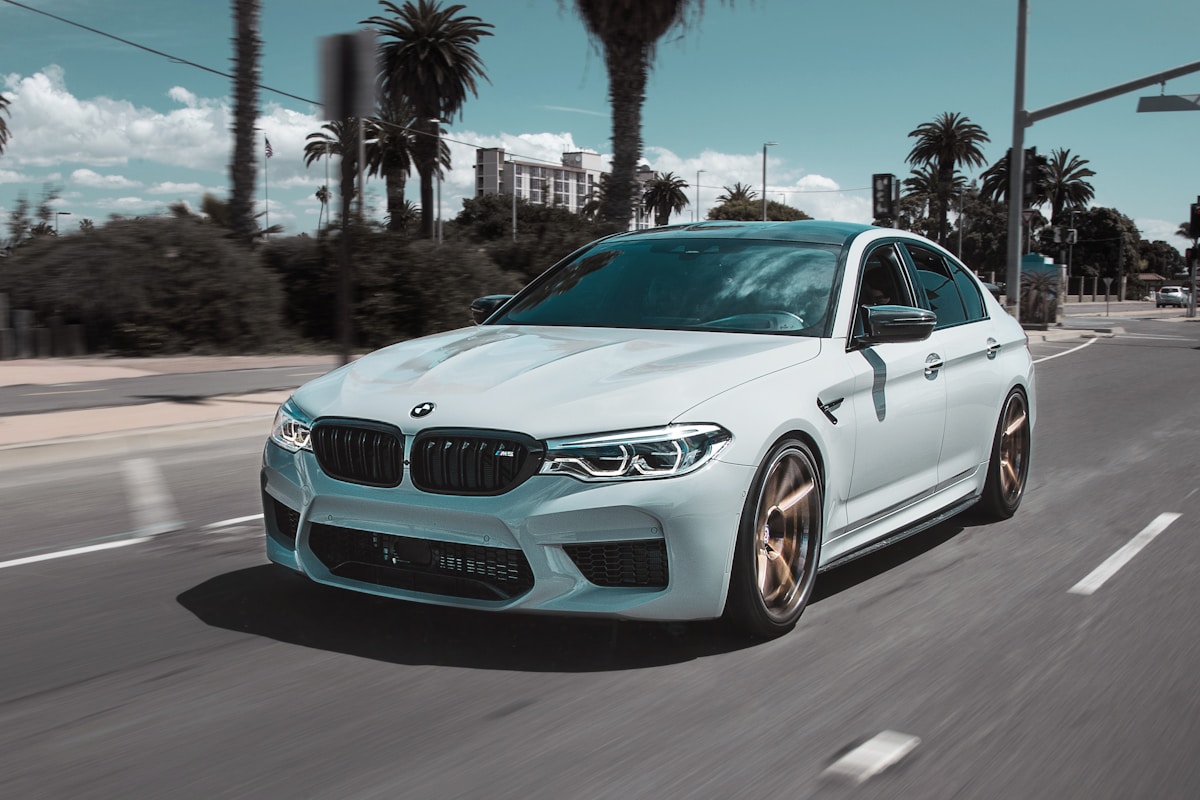
- Primary Signal: Supercar vs Hypercar: What's the Real Difference?
- Overview: The terms get thrown around interchangeably, but supercars and hypercars differ in performance, price, rarity, and purpose. Here is the clear distinction....
- Verification: Analyzed and compiled by LuxeLiving 768 editorial monitoring desk.
Car enthusiasts argue endlessly about the difference between supercars and hypercars, partly because no official body defines either term, and manufacturers happily blur the line for marketing. Yet a practical distinction does exist, based on performance, price, production numbers, and purpose, and understanding it helps you make sense of everything from a Ferrari to a Bugatti. The difference is not just about speed; it is about what the car was built to prove.
Performance is the most obvious dividing line. Supercars typically produce somewhere between five hundred and eight hundred horsepower, accelerate to sixty miles per hour in around three seconds, and top out well above one hundred and eighty miles per hour. Hypercars push far beyond that, often exceeding one thousand horsepower, reaching sixty in under two and a half seconds, and chasing top speeds above two hundred and fifty miles per hour. The numbers sound abstract until you experience them: a hypercar's acceleration presses you into the seat with a force that feels closer to aviation than driving.
Technology explains much of the performance gap. Hypercars frequently debut innovations that later filter down to ordinary cars: advanced hybrid systems combining combustion engines with electric motors, active aerodynamics that reshape the car at speed, carbon-fibre structures of extraordinary complexity, and engineering solutions developed for racing. Supercars use advanced technology too, but their engineering targets a balance of performance, usability, and cost, while hypercars pursue outright extremes regardless of expense or practicality.
Price and rarity draw the sharpest practical line. A supercar typically costs from around two hundred thousand to roughly five hundred thousand dollars, with production runs in the thousands, making them exclusive but attainable for successful buyers. Hypercars start around one million dollars and climb into several millions, with production often limited to dozens or a few hundred cars worldwide. Buying a hypercar frequently requires an existing relationship with the manufacturer, not merely the money, which adds a layer of social exclusivity no price tag captures.
Usability separates the two in daily life as well. Many modern supercars are genuinely drivable every day, with reasonable visibility, luggage space, and comfort modes for city traffic, and owners do use them for weekends, trips, and even commuting. Hypercars are far more compromised: low ground clearance, limited visibility, minimal storage, and running costs that make every mile an event. They are masterpieces of engineering, but they are closer to collectible art that happens to move than to transportation.
Ownership costs scale with the category too. While supercar maintenance already runs to thousands annually, hypercar service can reach tens of thousands, with individual parts priced like small cars: a single headlight or a set of tires can cost more than an ordinary vehicle. Insurance, storage, and specialist servicing all rise accordingly, which is why hypercar owners typically treat their cars as assets within a collection rather than as vehicles in a garage.
The real difference, then, is one of intent. A supercar is an extraordinary car built to be driven; a hypercar is an engineering statement built to prove what is possible, with driving as a thrilling bonus. Both inspire awe, but they answer different questions, and knowing which question you are asking is the first step to understanding why one costs a fortune and the other costs several.
Manufacturer allocation systems add a fascinating layer to hypercar ownership, because the rarest cars are not simply bought but awarded. Brands such as Ferrari, Bugatti, and Pagani often require prospective buyers to demonstrate loyalty, owning previous models, attending events, and maintaining relationships with dealers, before offering them a limited car. This system means that wealth alone does not guarantee access, and the secondary market for allocated cars commands enormous premiums precisely because the allocation itself is scarce. Collectors treat these relationships as long-term investments, buying cars they may not love to qualify for cars they do. Supercar buyers face a milder version of the same system, with popular models carrying waiting lists and dealer markups, but the barrier is far lower. Understanding allocation explains why some hypercars appreciate instantly while others, bought without the right history, never reach the same status.
📖 Continue Reading the Full Story
Continue reading this article on LuxeLiving 768.
⚡ Access Full Content NowMore from LuxeLiving 768


 🛰️ FreeSky Aerial
Basic Economy vs Main Cabin: What's the Real Difference?
Same seat, very different ticket. Here's what basic economy really strips away — seat selection, baggage, chan...
 ✈️ SkyFree Club
2026 Industry Analysis: Typing Speed Test — WPM & Accuracy Test Online (Day 3 Guide)
Why experts rely on Typing Speed Test — WPM & Accuracy Test Online on SkyFree Club. Discover essential market ...
 ⚡ SkyFree Athletics
Deep-Dive Audit: Typing Speed Test — WPM & Accuracy Test Online (Day 4 Guide)
Mastering performance metrics with the Typing Speed Test — WPM & Accuracy Test Online on SkyFree Athletics. Di...
 🖋️ SkyFree Chronicles
Beginner to Advanced: Typing Speed Test — WPM & Accuracy Test Online (Day 5 Guide)
How to maximize results using the Typing Speed Test — WPM & Accuracy Test Online on SkyFree Chronicles. Discov...