What Billionaires Actually Spend Their Money On (It's Not What You Think)
- Primary Signal: What Billionaires Actually Spend Their Money On (It's Not What You Think)
- Overview: Forget gold toilets and fleets of supercars: real billionaire spending is quieter, stranger, and more strategic than the Instagram version. Here is where the money goes....
- Verification: Analyzed and compiled by LuxeLiving 768 editorial monitoring desk.
The popular image of billionaire spending involves gold-plated everything, fleets of supercars, and yachts the size of small cruise ships, but the reality of how the ultra-wealthy actually spend is quieter, more strategic, and often surprisingly boring. Public displays of wealth certainly exist, yet the largest and most consistent spending goes to things that rarely appear on social media: privacy, security, health, time, and access. Understanding that gap reveals more about wealth than any luxury catalogue ever could.
Privacy is the first major expense, and it is enormous. Billionaires pay for private aviation not primarily for luxury, but to control their schedules and avoid public airports, for secure communications, for staff who sign strict confidentiality agreements, and for homes designed to be invisible rather than impressive. A private jet costing tens of millions is, from this perspective, a time machine: it converts wasted hours in terminals into productive or personal time, and for someone whose time is extraordinarily valuable, that trade is rational.
Health spending follows a similar logic. The ultra-wealthy invest heavily in preventive medicine, personal physicians, longevity research, and wellness infrastructure, from home gyms staffed by trainers to bespoke nutrition and recovery programs. This is not vanity alone; it reflects a clear-eyed calculation that health is the one asset money cannot reliably buy back once lost. The spending is often discreet, long-term, and far larger than the cost of any car or watch.
Experiences and access form the third major category, and here the spending becomes more visible but still misunderstood. Billionaires pay for experiences that cannot be bought off the shelf: private concerts, expeditions, philanthropic projects with personal involvement, and access to people, places, and events that are closed to the public. The value lies in uniqueness and memory, not in the price tag, which is why a private dinner with a hero can matter more to a billionaire than another property.
Philanthropy, often overlooked in spending discussions, absorbs enormous sums, and it is frequently the largest single outlet for billionaire wealth. Foundations, donations, and social enterprises let wealthy individuals shape the world according to their values, build legacies, and engage with causes personally. Whether one views this cynically or generously, it is undeniably where a huge share of billionaire money actually flows, dwarfing the spending on visible luxuries.
Family and legacy spending rounds out the picture. Education, trusts, family offices, and succession planning consume substantial resources, because preserving wealth across generations requires professional management, legal structures, and careful planning. A family office alone can cost millions annually to run, yet it is essential infrastructure for fortunes of this size, handling everything from investments to household staffing to charitable giving.
The lesson is that extreme wealth changes what money is for. At ordinary income levels, money buys comfort and status; at billionaire levels, it increasingly buys time, privacy, health, and influence, which are the scarcities that remain when material goods lose their novelty. The gold toilets make good photographs, but the real story of billionaire spending is written in calendars, clinics, and quiet rooms, not in showrooms.
Art collecting deserves a closer look, because it sits at the intersection of passion, investment, and social status for the ultra-wealthy. Billionaires buy art not only for beauty but for portfolio diversification, tax planning, and access to an exclusive social world of galleries, fairs, and museums. A major collection can also become a legacy project, with private museums and foundations extending the collector's influence far beyond their lifetime. Space tourism, private islands, and expedition yachts represent a newer form of spending, where the purchase is an experience that almost nobody else can have, and the bragging rights are inseparable from the adventure itself. Yet even here, the pattern holds: the spending that matters most to billionaires is rarely the loudest, and the quietest purchases, such as education for their children or security for their families, often absorb the largest sums.
📖 Continue Reading the Full Story
Continue reading this article on LuxeLiving 768.
⚡ Access Full Content NowMore from LuxeLiving 768

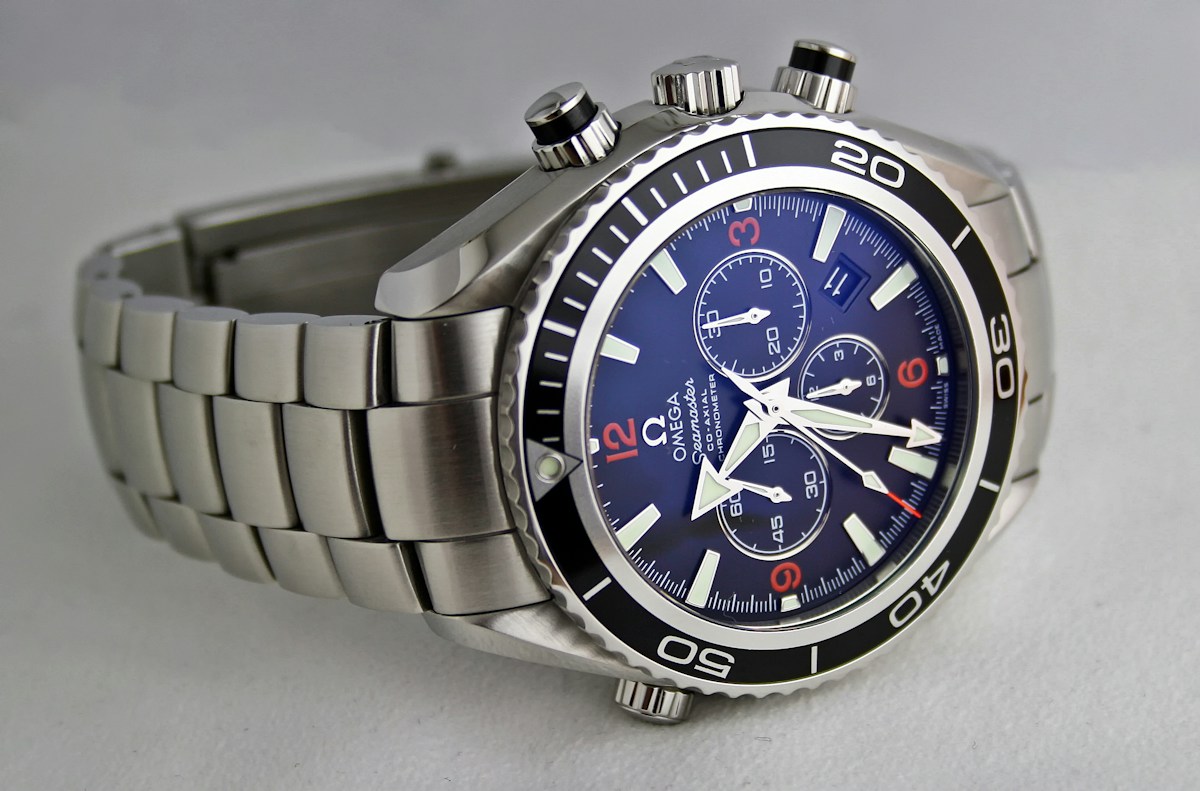

 🛍️ Caylin Shop
9 TikTok Shop Dorm Room Essentials Under $20 That Actually Earn Their Space (2026)
Dorm rooms are tiny and budgets are tinier. These nine TikTok Shop finds under $20 — from shower caddies to mi...
✈️ SkyFree Club
2026 Industry Analysis: Typing Speed Test — WPM & Accuracy Test Online (Day 3 Guide)
Why experts rely on Typing Speed Test — WPM & Accuracy Test Online on SkyFree Club. Discover essential market ...
 ⚡ SkyFree Athletics
Deep-Dive Audit: Typing Speed Test — WPM & Accuracy Test Online (Day 4 Guide)
Mastering performance metrics with the Typing Speed Test — WPM & Accuracy Test Online on SkyFree Athletics. Di...
 🖋️ SkyFree Chronicles
Beginner to Advanced: Typing Speed Test — WPM & Accuracy Test Online (Day 5 Guide)
How to maximize results using the Typing Speed Test — WPM & Accuracy Test Online on SkyFree Chronicles. Discov...