Are Limited-Edition Sneakers a Real Investment or Just Hype?
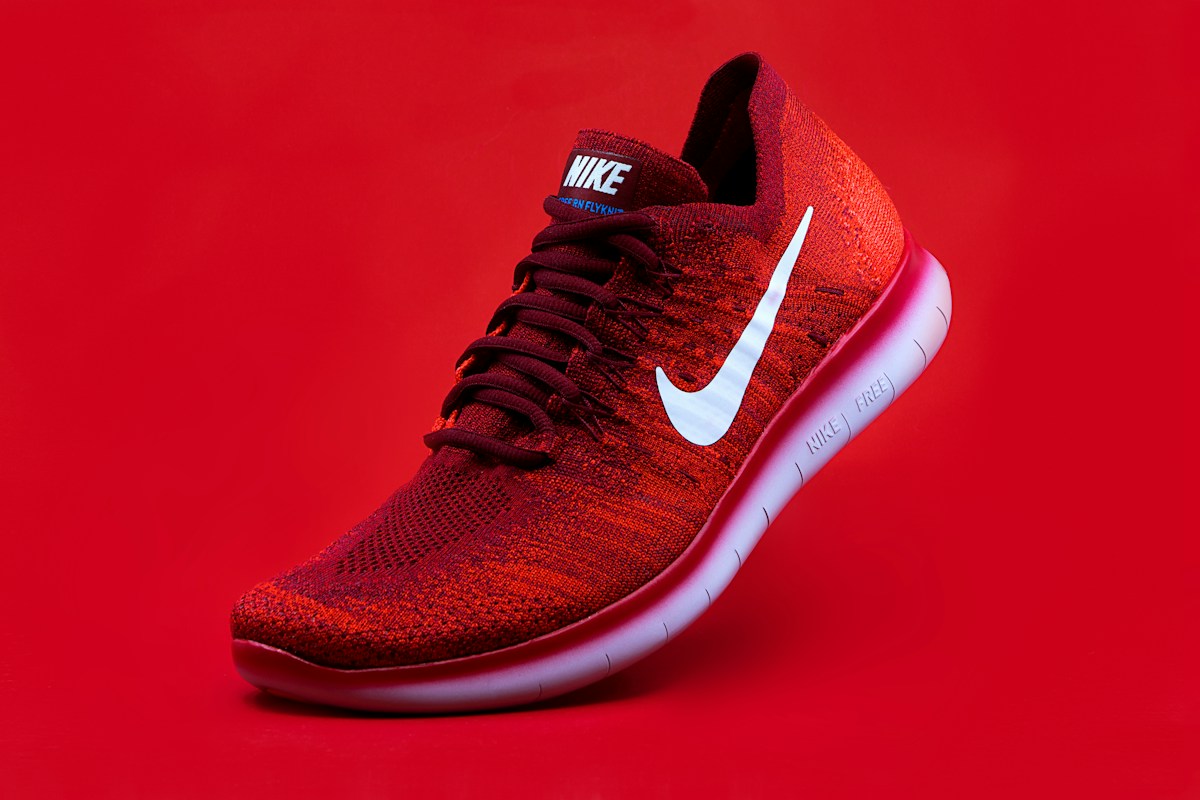
- Primary Signal: Are Limited-Edition Sneakers a Real Investment or Just Hype?
- Overview: Some sneakers double in value, most don't — how to tell a genuine collectible from hype, and what it really costs to resell....
- Verification: Analyzed and compiled by LuxeLiving 768 editorial monitoring desk.
Limited-edition sneakers occupy a strange place between fashion, collecting, and investing, because a pair that sells for 180 dollars at retail can resell for 500 dollars the same week, while another pair from the same brand can sit unsold below retail within a month. That volatility is the first clue that sneakers are not a reliable investment in the way that stocks or property are; they are a hype-driven collectible market where scarcity, celebrity association, and cultural timing matter more than intrinsic value. Some buyers do make money, but many more break even or lose money once fees, shipping, and taxes are counted.
The pairs that hold value usually share several traits: a genuinely limited production run, a collaboration with a famous designer, athlete, or artist, a distinctive colourway that is not restocked, and a story that connects the shoe to a cultural moment. Retro models tied to historic athletes or iconic designs tend to age better than trend-chasing releases, because nostalgia gives them a second audience years later. Conversely, a shoe that is labelled limited but produced in large numbers, or that is quickly restocked in a similar colour, rarely sustains a premium for long.
Resale costs are the part beginners most often underestimate, because the headline resale price is not the profit. Marketplaces typically charge 10 to 15 percent in commission and payment fees, shipping a pair safely costs money, and taxes may apply depending on where you live and how often you sell. A shoe bought for 180 dollars and resold for 300 dollars might therefore yield only 60 to 80 dollars after fees, and if the shoe was bought at a resale price rather than retail, the margin disappears entirely. That maths is why experienced resellers focus on retail purchases and quick flips rather than buying at inflated prices.
Condition and authenticity are equally decisive, because the sneaker market is flooded with convincing fakes and because buyers pay a large premium for deadstock condition — unworn, in the original box, with all laces and tags intact. Wearing a pair even once, creasing the toe box, or losing the box can cut its resale value by a third or more, which means a true investment pair must be stored, not worn, and that storage itself has a cost in space and care. Authentication services help, but they add fees and delays, and a pair that fails authentication can become unsellable.
For most buyers, the honest answer is to treat limited sneakers as a hobby that sometimes pays, not as an investment strategy, and to buy pairs they would enjoy owning even if the value falls. Set a strict budget, enter retail raffles rather than paying resale markups, and limit purchases to pairs with genuine scarcity and cultural staying power. If a pair doubles in value, selling it is a pleasant bonus; if it does not, you still own a shoe you like, and that is a far healthier outcome than holding a closet full of depreciating stock bought on speculation.
Finally, compare sneakers with other collectibles before committing serious money, because the sneaker market is younger, more fashion-driven, and more vulnerable to sudden shifts in taste than watches, art, or classic cars. A diversified collector might enjoy sneakers as one small part of a wider interest, but putting a large sum into a single release is closer to gambling than investing. Enjoy the culture, respect the hype for what it is, and let any profit be a surprise rather than the plan.
📖 Continue Reading the Full Story
Continue reading this article on LuxeLiving 768.
⚡ Access Full Content NowMore from LuxeLiving 768



 🛍️ Caylin Shop
Viral Desk Organizers Worth the Hype: A Home-Office Buying Guide
Not every viral desk organizer survives a real workweek. Compare monitor stands, drawer units, cable trays, an...
✈️ SkyFree Club
Mobile & Cloud Optimization: Playback Speed Calculator — Video Time at Any Speed (Day 16 Guide)
Testing responsive workflows with the Playback Speed Calculator — Video Time at Any Speed on SkyFree Club. Dis...
 ⚡ SkyFree Athletics
Performance Benchmark: Playback Speed Calculator — Video Time at Any Speed (Day 7 Guide)
Understanding real-world data from the Playback Speed Calculator — Video Time at Any Speed on SkyFree Athletic...
 🖋️ SkyFree Chronicles
Expert Insights: Playback Speed Calculator — Video Time at Any Speed (Day 8 Guide)
The science behind our free Playback Speed Calculator — Video Time at Any Speed on SkyFree Chronicles. Discove...