How to Buy Your First Luxury Watch Without Regret
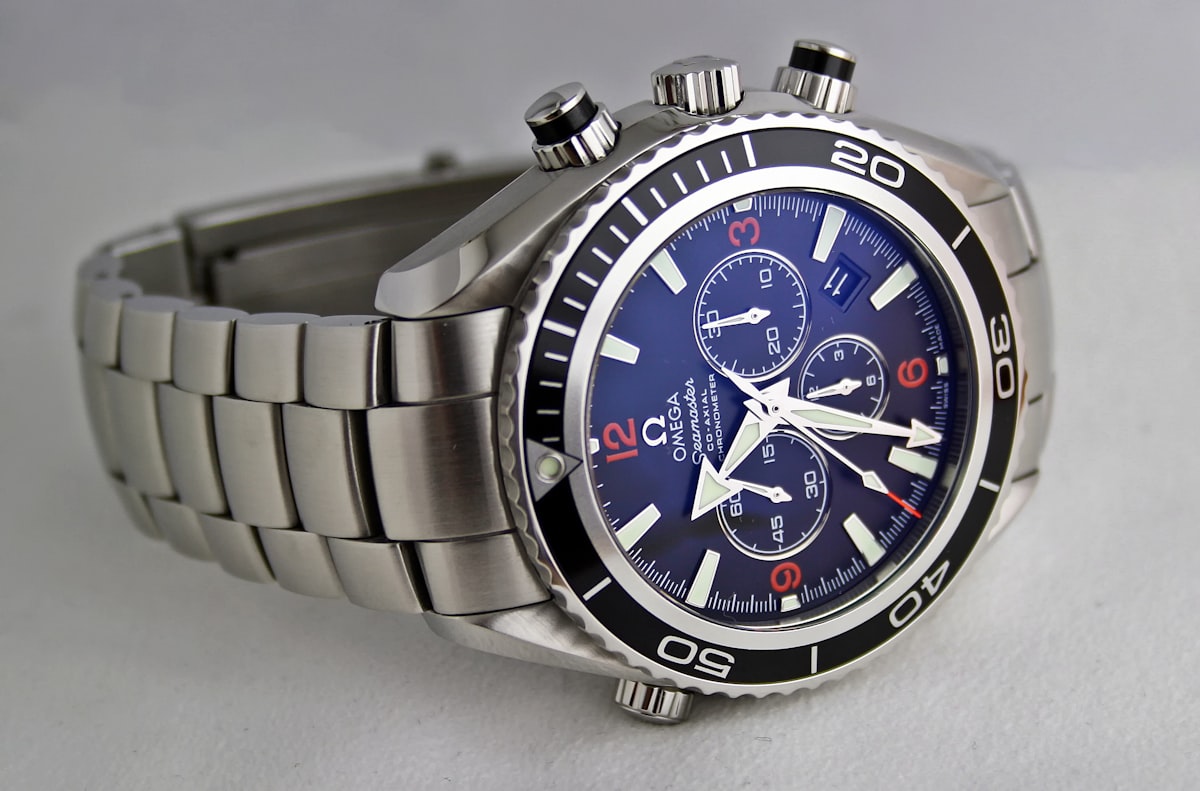
- Primary Signal: How to Buy Your First Luxury Watch Without Regret
- Overview: Your first luxury watch should fit your life, not just your wishlist. Learn how to choose the right size, set a realistic budget, buy safely, and avoid the classic beginner mistake...
- Verification: Analyzed and compiled by LuxeLiving 768 editorial monitoring desk.
Buying your first luxury watch is a milestone, and it is easy to get wrong. The market is full of strong opinions, waiting lists, and watches that look better in photographs than on your wrist. A thoughtful first purchase, though, becomes something you wear for decades — and the process of choosing it is half the pleasure. Here is how to approach it with confidence rather than confusion.
The right first watch fits your actual life. A 41mm steel sports watch suits most wrists and most occasions, from the office to a weekend away, while a delicate dress watch or a heavy chronograph may spend more time in a drawer than on your wrist. Try watches on in person before buying: case size numbers do not tell you how a watch wears, and lug shape and bracelet design change the fit dramatically. Choose the watch you will reach for every morning, not the one that impresses other collectors.
Set a budget that includes more than the watch itself. Servicing a mechanical watch every five to seven years costs a meaningful amount, insurance is worth considering for valuable pieces, and a second strap can transform how often you wear it. Buy the best watch you can comfortably afford rather than stretching for a model that leaves you anxious about every scratch. A watch you enjoy wearing beats a watch you are afraid to wear, every time.
Where you buy matters as much as what you buy. Authorised dealers offer warranties, authenticity guarantees, and a relationship that helps with future purchases and servicing. Reputable pre-owned dealers can offer better value and access to discontinued models, but check their reputation thoroughly: look for long trading histories, clear return policies, and watches sold with original box and papers. If a deal seems impossibly good, it usually is, and the pre-owned market rewards patience over impulse.
Understand the movement inside the watch. An automatic movement winds itself as you wear it and is the classic choice for a first luxury watch, offering a living, mechanical feel that quartz cannot match. A manual-wind movement requires daily winding, which some owners love as a ritual and others find tedious. Quartz is accurate and fuss-free but lacks the mechanical romance most first-time luxury buyers are seeking. Ask the dealer to show you the movement, explain the power reserve, and demonstrate how the watch is set and wound.
Finally, think about the long term. A first luxury watch is rarely a financial investment — buy it because you love it, not because you expect it to appreciate. That said, well-known models from established brands tend to hold their value better than obscure ones, which gives you flexibility if your taste changes. Take your time, try on more watches than you think you need to, and sleep on the decision. The right first watch feels inevitable once you find it: it fits, it suits your life, and you cannot stop looking at it. When that happens, you will know.
One last piece of advice: resist the pressure of waiting lists and hype. A watch that requires years on a list or a large purchase history is not necessarily a better watch — it is a scarcer one, and scarcity is a marketing strategy as much as a fact. There are outstanding watches available today, from brands with real heritage, that you can walk into a shop and buy. Your first luxury watch should be chosen because it moves you when you put it on your wrist, not because someone told you it was the one to want. Trust your eye, trust your wrist, and enjoy the search.
📖 Continue Reading the Full Story
Continue reading this article on LuxeLiving 768.
⚡ Access Full Content NowMore from LuxeLiving 768


 🖋️ SkyFree Chronicles
How to Pitch a Literary Magazine: A First Submission Guide
A literary magazine submission needs a short cover note, a story formatted to the magazine's guidelines, and a...
 ✈️ SkyFree Club
Mobile & Cloud Optimization: Playback Speed Calculator — Video Time at Any Speed (Day 16 Guide)
Testing responsive workflows with the Playback Speed Calculator — Video Time at Any Speed on SkyFree Club. Dis...
 ⚡ SkyFree Athletics
Performance Benchmark: Playback Speed Calculator — Video Time at Any Speed (Day 7 Guide)
Understanding real-world data from the Playback Speed Calculator — Video Time at Any Speed on SkyFree Athletic...
 🌿 SkyFree Living
Practical Playbook: Playback Speed Calculator — Video Time at Any Speed (Day 9 Guide)
Solving critical challenges with the Playback Speed Calculator — Video Time at Any Speed on SkyFree Living. Di...