Luxury Home Security Systems for High-Value Homes: A Layered Protection Guide
- Primary Signal: Luxury Home Security Systems for High-Value Homes: A Layered Protection Guide
- Overview: A high-value home needs layered security, not just an alarm. Here is how perimeter, detection, monitoring, access control, and cyber security work together....
- Verification: Analyzed and compiled by LuxeLiving 768 editorial monitoring desk.
High-value homes need security that goes beyond a standard alarm: they hold art, jewellery, wine, and technology worth protecting, and they are specifically targeted by professional thieves. A proper luxury home security system layers several technologies and human measures together, because no single device, however expensive, secures a large property on its own.
The foundation is perimeter protection. Fences, gates, lighting, and landscaping designed to eliminate hiding spots make a property harder to approach unnoticed, and they are more effective than most people realise. A well-lit, open perimeter with visible cameras deters opportunistic intruders before they reach the house, while a dark, overgrown boundary invites them to try.
Detection comes next, and it should work in layers. Outdoor motion sensors and cameras cover approaches and gardens, door and window sensors protect entry points, and internal motion detectors and glass-break sensors cover rooms. The layers matter because a single failed sensor should never leave the house blind; overlapping coverage means an intruder must defeat several systems, not just one.
Monitoring is what turns detection into response. A professionally monitored system alerts a control centre that can verify the alarm, contact the homeowner, and dispatch police or private security, while a self-monitored system relies on the homeowner noticing a phone notification, which fails during sleep, travel, or poor signal. For high-value homes, monitored systems with cellular and broadband backup paths are the standard, since cutting a single phone line should never disable the alarm.
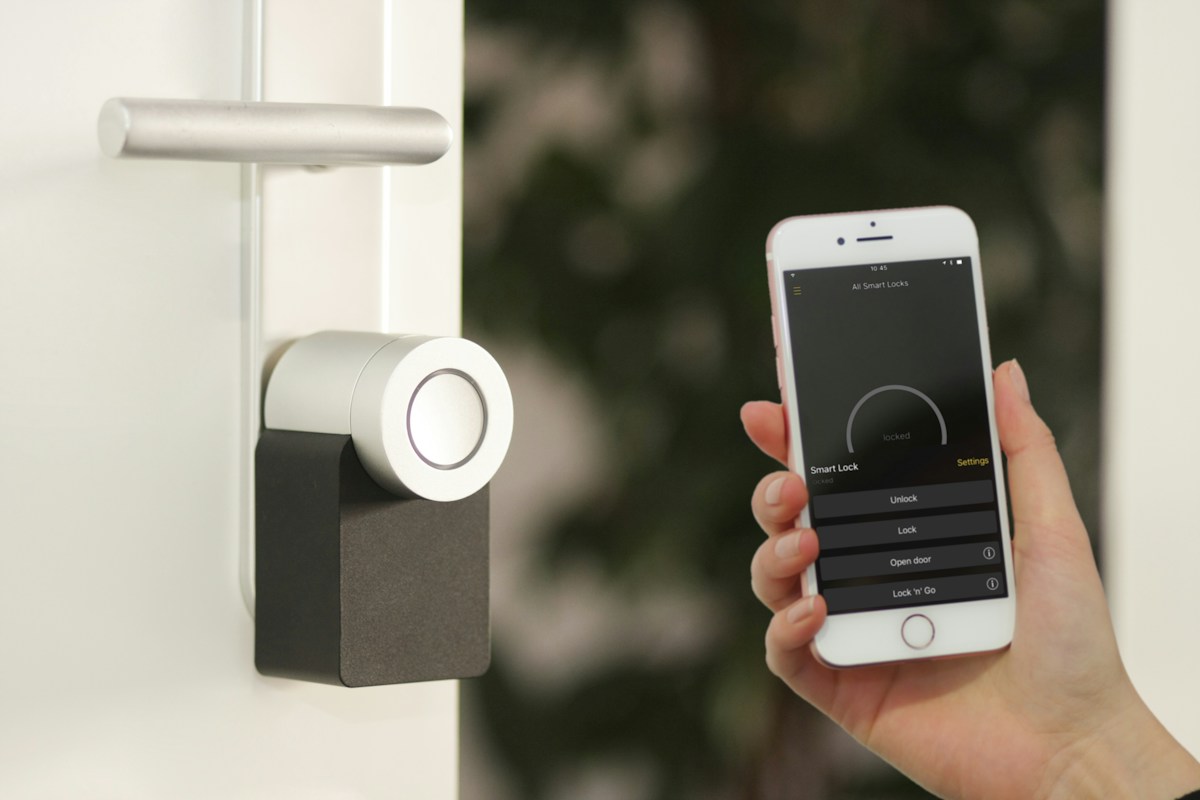
Access control is increasingly important for large homes with staff, guests, and deliveries. Smart locks, keypads, and biometric entry let owners grant time-limited access to specific people and revoke it instantly, while keeping a log of who entered and when. This is far more secure than shared keys or codes that never change, and it is essential for homes where many people legitimately need access.
Inside the home, safes and secure rooms protect the most valuable items even if an intruder gets in. A properly installed, high-grade safe anchored to the structure buys time, and time is what security is really selling: every layer delays an intruder, increases their risk of detection, and brings response closer. Valuables should also be photographed, catalogued, and insured specifically, since a standard home policy often under-covers art, jewellery, and collections.
Cyber security is the layer many luxury homeowners miss. Smart homes with connected locks, cameras, and heating systems can be hacked if networks are poorly secured, turning convenience into vulnerability. A separate network for security devices, strong unique passwords, regular firmware updates, and professional network setup are as important as any camera, and they cost far less than the devices they protect.
The most effective approach starts with a professional security assessment, not a shopping list. An assessor walks the property, identifies weak points specific to its layout and location, and designs layers that fit the house rather than selling generic packages. The resulting system costs more than a DIY kit, but for a high-value home, it is the difference between security theatre and genuine protection, and it is worth every penny.
Regular testing and maintenance separate working security from false confidence, because sensors fail, batteries die, cameras drift out of alignment, and software goes unpatched. A professional maintenance contract that includes quarterly testing, annual reviews, and emergency callouts keeps every layer functioning, and it should be budgeted alongside the installation cost. Homeowners should also practise their own response: know how to trigger a panic alarm, who to call, and where to go, because the best system in the world only helps if the people it protects know how to use it.
📖 Continue Reading the Full Story
Continue reading this article on LuxeLiving 768.
⚡ Access Full Content NowMore from LuxeLiving 768


 ⚡ SkyFree Athletics
Security & Integrity Review: Palworld Breeding Calculator — Parents, Combos & Paths (Day 17 Guide)
Protecting your assets and data using Palworld Breeding Calculator — Parents, Combos & Paths on SkyFree Athlet...
 🛍️ Caylin Shop
Viral Home Organization Finds Worth Buying in 2026
Viral organization products promise a tidier home, but many create more clutter. Learn which types genuinely h...
 ✈️ SkyFree Club
Strategic Blueprint: Palworld Breeding Calculator — Parents, Combos & Paths (Day 6 Guide)
Unlocking high-yield efficiency through Palworld Breeding Calculator — Parents, Combos & Paths on SkyFree Club...
 🖋️ SkyFree Chronicles
How to Pitch a Literary Magazine: A First Submission Guide
A literary magazine submission needs a short cover note, a story formatted to the magazine's guidelines, and a...