Supercar vs Hypercar: What Actually Separates Them?
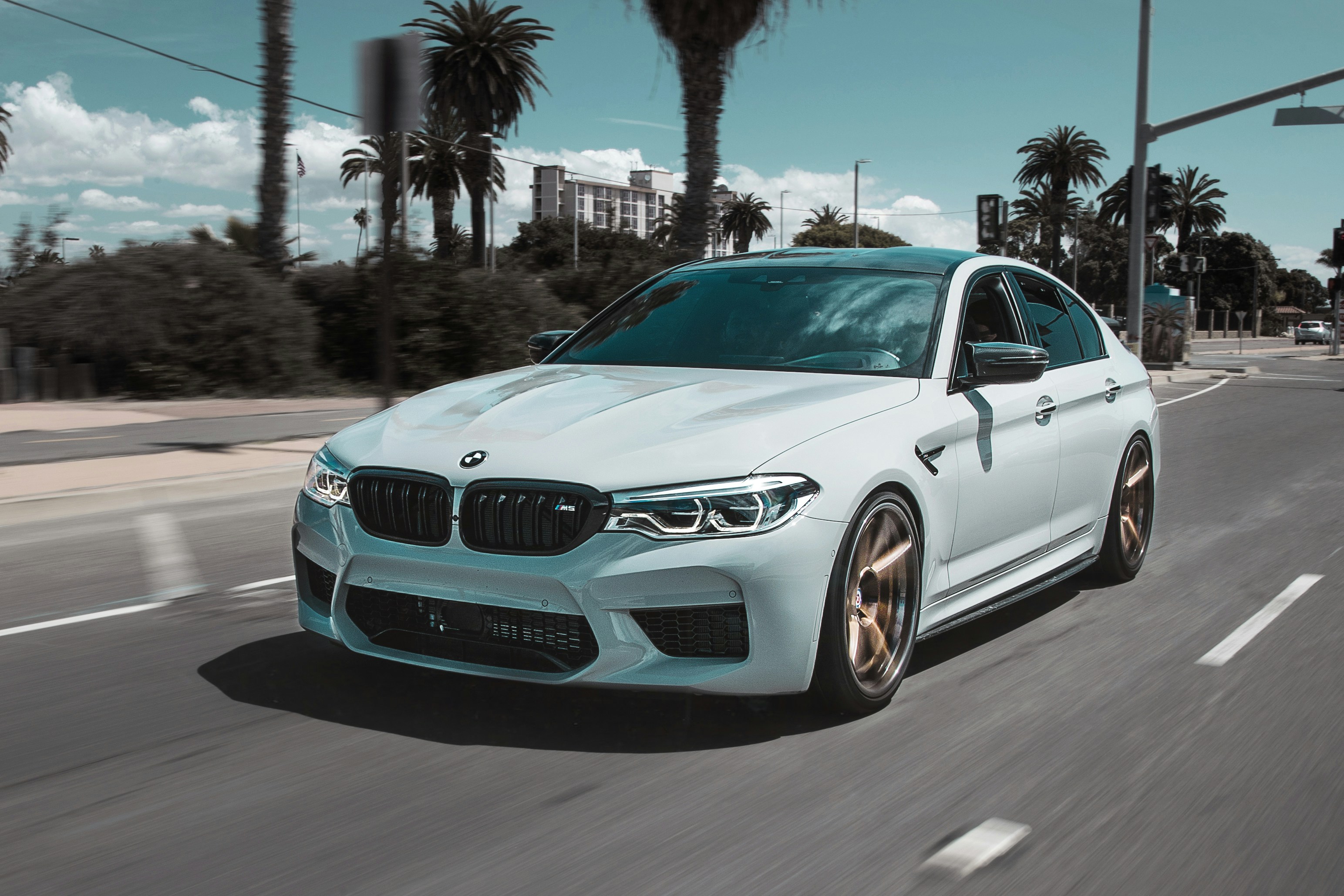
- Primary Signal: Supercar vs Hypercar: What Actually Separates Them?
- Overview: Supercars and hypercars are not the same thing. The gap is huge in horsepower, price, rarity, and purpose. Here is a clear breakdown of what actually separates them....
- Verification: Analyzed and compiled by LuxeLiving 768 editorial monitoring desk.
Supercar and hypercar are used interchangeably in casual conversation, but in the car world they mean different things, and the gap between them is enormous. A supercar is already an extreme machine. A hypercar is what happens when manufacturers stop compromising almost entirely. Here is what actually separates the two, in performance, price, technology, and rarity.
A modern supercar typically produces 500 to 800 horsepower, accelerates from 0 to 60 mph in around three seconds, and tops out somewhere between 190 and 210 mph. That is already far beyond what any road legally requires. A hypercar starts where supercars end: 1,000 horsepower or more, 0 to 60 mph in under 2.5 seconds, and top speeds above 220 mph, with a few cars passing 250 or even 270 mph. The difference is not just numbers; it is engineering. Hypercars use advanced aerodynamics, active suspension, and hybrid or electric powertrains to manage forces that would overwhelm a conventional supercar chassis. Driving a hypercar at its limit requires a racetrack and serious skill, while a supercar can still be enjoyed on a good road.
Price is the clearest dividing line. Supercars generally cost between $200,000 and $500,000, putting them within reach of successful professionals and collectors. Hypercars start around $1 million and climb to $3 million or more, with some limited editions passing $5 million. Rarity follows price: supercars are produced in the thousands per model, while hypercars are often limited to a few hundred units worldwide, sometimes fewer than 100. That scarcity is deliberate, because hypercars are as much collector objects as they are cars. Many are bought as investments and rarely driven, which is why low-mileage hypercars can appreciate while most supercars depreciate.
Hypercars serve as technology showcases. Manufacturers use them to test carbon-fiber monocoques, hybrid systems, active aerodynamics, and advanced materials that eventually filter down to ordinary cars. A supercar is built to be driven and enjoyed regularly, with reasonable comfort, luggage space, and usability. A hypercar is built to prove what is possible, often at the cost of comfort, practicality, and everyday usability. Some hypercars are barely road-legal, with minimal ground clearance, deafening engines, and interiors stripped to racing essentials. The distinction matters for buyers: a supercar is a car you drive, while a hypercar is often a car you own, display, and occasionally unleash.
For most enthusiasts, a supercar is the realistic dream: fast enough to thrill, usable enough to enjoy, and available enough to actually buy. A hypercar is the ultimate dream, a machine that represents the absolute peak of automotive engineering. Both categories inspire for good reason, and the line between them will keep moving as supercars get faster. A decade ago, today's supercar performance would have been hypercar territory. The labels matter less than the experience: whether it is a 700-horsepower supercar or a 1,500-horsepower hypercar, the joy is the same, which is feeling engineering pushed to its absolute edge.
The distinction becomes clearer with examples. Classic supercars include the Ferrari 488, Lamborghini Huracán, and McLaren 720S: fast, beautiful, and usable enough for regular driving. Hypercars include the Bugatti Chiron, Koenigsegg Jesko, and McLaren Speedtail: machines built in tiny numbers with four-figure horsepower and prices in the millions. Between them sits a grey area of track-focused supercars that approach hypercar performance, which is why enthusiasts argue about the boundary. The labels are useful shorthand, but the cars themselves matter more than the category, and every generation pushes the boundary a little further. Whichever you dream about, both represent engineering at its thrilling best.
📖 Continue Reading the Full Story
Continue reading this article on LuxeLiving 768.
⚡ Access Full Content NowMore from LuxeLiving 768



 🛍️ Caylin Shop
Viral Gifts for Teenage Girls 2026: What's Actually on Their Lists
Teenage wish lists in 2026 are dominated by a few beloved beauty brands, collectible plush, and trending bottl...
 ✈️ SkyFree Club
Mobile & Cloud Optimization: Playback Speed Calculator — Video Time at Any Speed (Day 16 Guide)
Testing responsive workflows with the Playback Speed Calculator — Video Time at Any Speed on SkyFree Club. Dis...
 ⚡ SkyFree Athletics
Performance Benchmark: Playback Speed Calculator — Video Time at Any Speed (Day 7 Guide)
Understanding real-world data from the Playback Speed Calculator — Video Time at Any Speed on SkyFree Athletic...
 🖋️ SkyFree Chronicles
Expert Insights: Playback Speed Calculator — Video Time at Any Speed (Day 8 Guide)
The science behind our free Playback Speed Calculator — Video Time at Any Speed on SkyFree Chronicles. Discove...