What Supercar Detailing Really Costs (And What You Get for It)
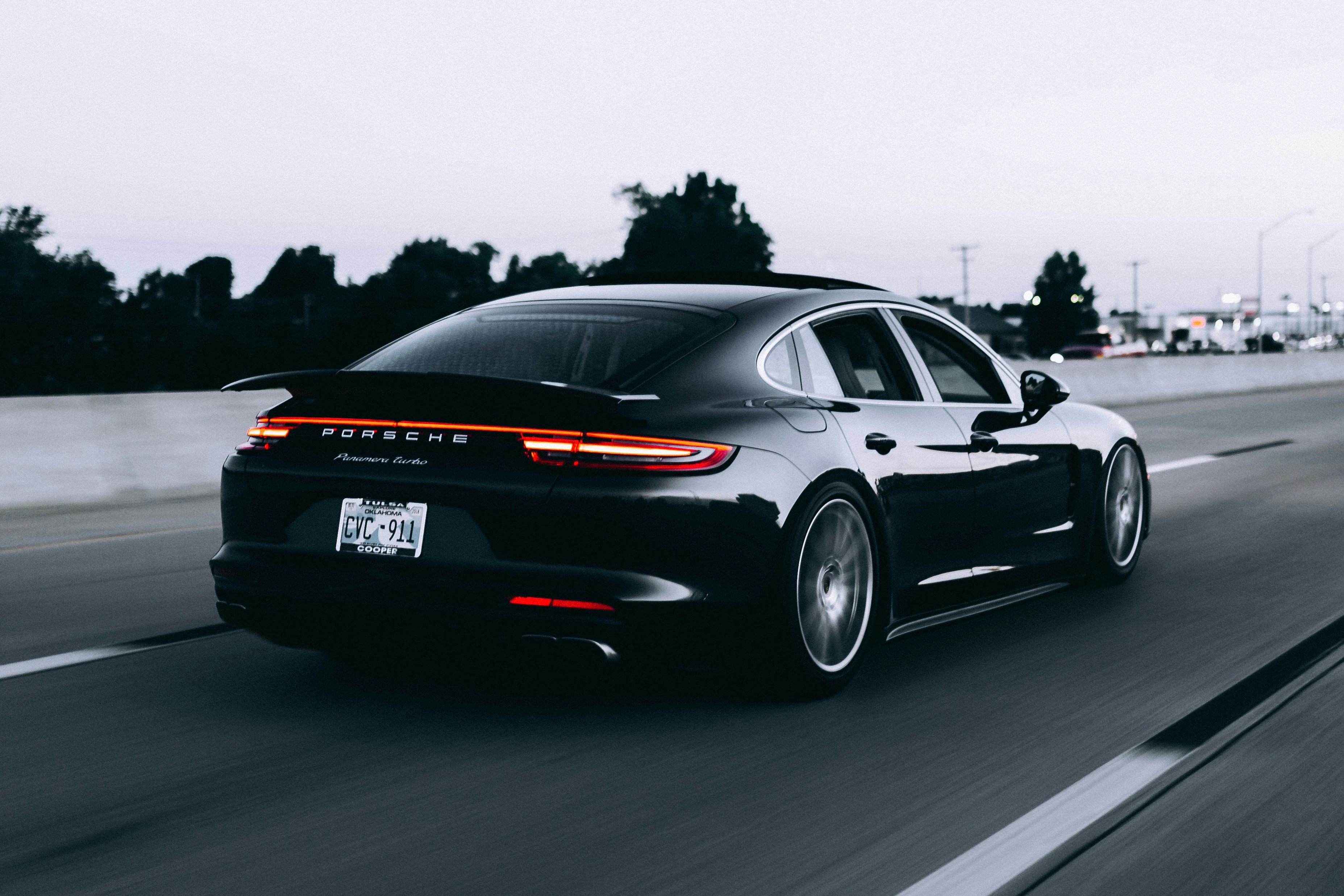
- Primary Signal: What Supercar Detailing Really Costs (And What You Get for It)
- Overview: Supercar detailing costs far more than a car wash for good reason: specialist paint, coatings, and protection films. Here is what each service costs, why supercars are different, a...
- Verification: Analyzed and compiled by LuxeLiving 768 editorial monitoring desk.
A supercar looks flawless in photos, but keeping it that way is a specialist job with a specialist price tag. Supercar detailing is not a car wash with a fancy name; it is a multi-stage process involving paint correction, ceramic coatings, and protection films, performed by technicians who understand carbon fiber, matte finishes, and six-figure paintwork. Here is what supercar detailing really costs, what each service includes, and how to tell a genuine specialist from an expensive car wash.
A basic maintenance detail for a supercar, including a careful hand wash, decontamination, interior cleaning, and a spray sealant, typically costs several hundred dollars. A full paint correction, which removes swirl marks and light scratches through machine polishing, runs into the low thousands, depending on the car's size, paint condition, and finish. A ceramic coating package, which adds a durable protective layer lasting two to five years, usually costs a few thousand dollars including preparation. Paint protection film, the clear film that guards bumpers, hoods, and side panels against stone chips, is the most expensive option, with full-body coverage reaching five figures. Prices vary by region and by the detailer's reputation, but any quote far below these ranges should raise questions about the products and skill involved.
Supercars cost more for practical reasons. Their paint is often thinner, softer, or more complex than ordinary car paint, with matte finishes and exposed carbon fiber requiring different techniques and products. Body panels are low, wide, and hard to access, which adds labor time. Many supercars have delicate trim, exposed engines, and interiors in Alcantara or fine leather that demand specialist cleaning. A good detailer inspects the paint under proper lighting before quoting, measures paint thickness, and explains exactly which stages your car needs. A detailer who quotes a fixed price without seeing the car is guessing, and guessing with a supercar's paint is how expensive damage happens.
Before handing over your keys, ask four questions. First, what products do you use, and are they rated for my car's specific finish? Second, do you measure paint depth before polishing, and will you show me the readings? Third, are you insured for high-value vehicles, and what happens if something goes wrong? Fourth, can I see examples of your work on cars like mine? A reputable specialist will answer all four gladly and will have a portfolio of similar cars. Check reviews from other supercar owners, not just general car owners, because the skill gap between detailing a family car and a supercar is enormous. Avoid detailers who promise to remove every scratch, since some defects cannot be safely corrected without thinning the paint.
For a supercar driven regularly, a maintenance detail every few months keeps the paint and interior in top condition, with a full correction and coating refresh every two to three years depending on use. Garage-kept collector cars need less frequent work but still benefit from periodic inspection, since dust, humidity, and even car covers can mark delicate finishes over time. Think of detailing as maintenance, not vanity: a well-kept supercar holds its value better, photographs better, and is simply more enjoyable to drive. The cost may seem high, but compared to a respray, which can cost tens of thousands and hurt originality, professional detailing is one of the cheapest ways to protect a supercar investment.
Between professional details, simple habits keep a supercar looking its best. Wash with the two-bucket method and a pH-neutral shampoo, dry with plush microfiber towels rather than chamois, and never use an automatic car wash with brushes. Remove bird droppings and bug splatter promptly, since both etch paint surprisingly fast. Keep a quick detailer spray and clean towels in the car for emergencies, and avoid parking under trees or near sprinklers. These habits do not replace professional detailing, but they stretch the time between visits and protect the coating you already paid for.
📖 Continue Reading the Full Story
Continue reading this article on LuxeLiving 768.
⚡ Access Full Content NowMore from LuxeLiving 768



 ✈️ SkyFree Club
Mobile & Cloud Optimization: Playback Speed Calculator — Video Time at Any Speed (Day 16 Guide)
Testing responsive workflows with the Playback Speed Calculator — Video Time at Any Speed on SkyFree Club. Dis...
 ⚡ SkyFree Athletics
Performance Benchmark: Playback Speed Calculator — Video Time at Any Speed (Day 7 Guide)
Understanding real-world data from the Playback Speed Calculator — Video Time at Any Speed on SkyFree Athletic...
 🖋️ SkyFree Chronicles
Expert Insights: Playback Speed Calculator — Video Time at Any Speed (Day 8 Guide)
The science behind our free Playback Speed Calculator — Video Time at Any Speed on SkyFree Chronicles. Discove...
 🌿 SkyFree Living
Practical Playbook: Playback Speed Calculator — Video Time at Any Speed (Day 9 Guide)
Solving critical challenges with the Playback Speed Calculator — Video Time at Any Speed on SkyFree Living. Di...