The Best Luxury Travel Destinations for 2026, Ranked by Experience
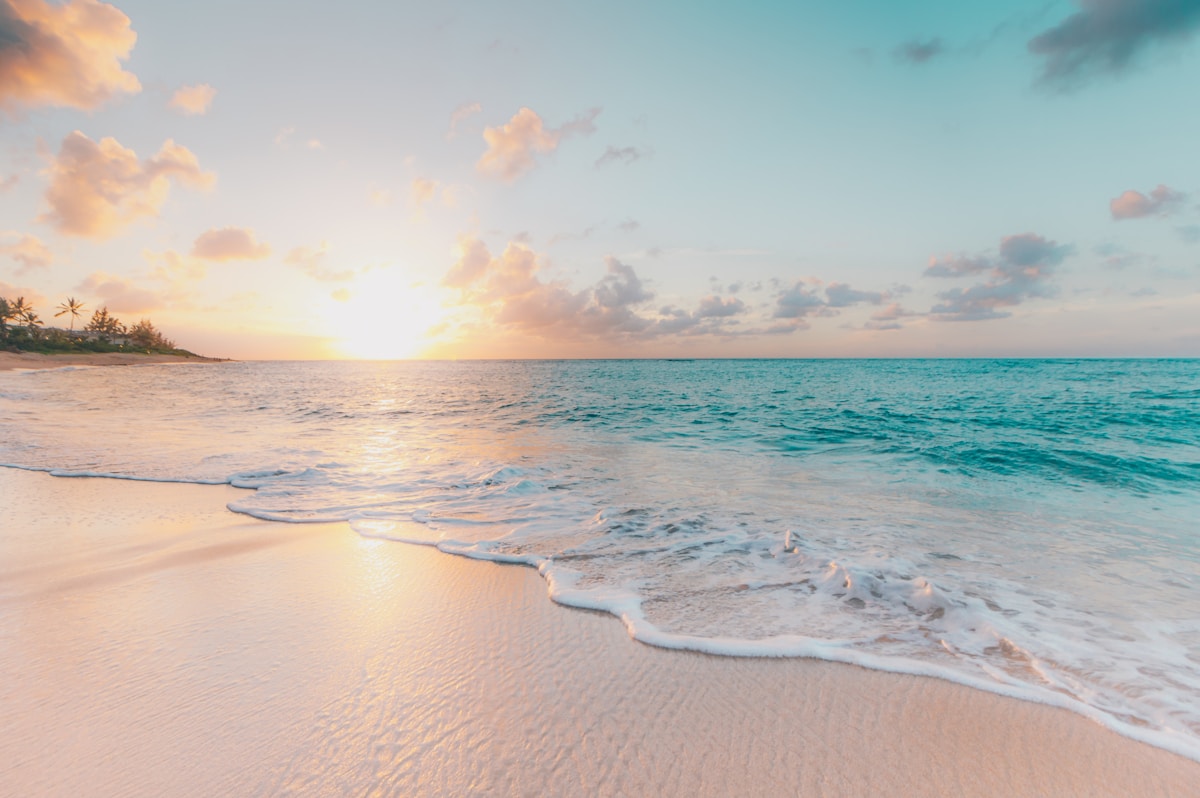
- Primary Signal: The Best Luxury Travel Destinations for 2026, Ranked by Experience
- Overview: Luxury travel in 2026 is about privacy, authenticity, and unforgettable moments, not just five-star lobbies. These destinations deliver the experiences travellers actually remember...
- Verification: Analyzed and compiled by LuxeLiving 768 editorial monitoring desk.
Luxury travel has changed. A decade ago, the definition was thread counts, marble lobbies, and famous hotel names; in 2026, the travellers spending the most consistently say they want something else: privacy, authenticity, and experiences they cannot replicate at home. The destinations rising to the top of luxury lists share a pattern: they offer space, silence, genuine culture, and moments that feel personal rather than performed, and the hotels that win are the ones that get out of the way of the place itself.
Japan remains near the top of every serious luxury ranking, and for good reason. Beyond the famous cities, private ryokans in Kyoto, remote onsen towns, and guided cultural experiences offer a depth that mass tourism cannot match. Travellers pay for access: a tea ceremony with a master, a private temple visit before opening hours, or a chef's counter dinner in a restaurant with eight seats. The luxury is not the room; it is the door that opens only for you.
The Mediterranean's quieter corners are overtaking its famous hotspots for a similar reason. While crowded marquee destinations struggle with overtourism, smaller Greek islands, the Amalfi Coast's lesser-known villages, and Portugal's Alentejo region offer the same beauty with space to breathe. Private villas with staff, slow food, and days structured around swimming, walking, and long lunches appeal to travellers who have learned that a packed itinerary is the opposite of luxury.
Africa's safari lodges represent the purest form of experiential luxury, combining wildlife, vast landscapes, and extraordinary hospitality in remote settings. A private guide, a lodge with a handful of suites, and days shaped by animal movements rather than schedules create memories that no city hotel can match. Conservation-linked tourism adds meaning: travellers increasingly choose lodges where their spending directly supports wildlife protection and local communities, turning indulgence into impact.
Wellness destinations have also matured beyond spa clichés into serious health retreats. Programmes built around sleep science, nutrition, movement, and medical screening attract travellers who view a holiday as an investment in themselves rather than an escape from work. The best of these combine clinical rigour with beautiful settings, so guests return measurably healthier rather than merely relaxed, and they book return visits a year in advance.
Polar and expedition travel rounds out the new luxury frontier, appealing to travellers who have already visited the classic destinations and want genuine adventure. Small-ship Antarctic cruises, Arctic expeditions, and remote island journeys offer landscapes few humans ever see, with expert guides and strict environmental standards. The luxury here is exclusivity of experience: silence, scale, and wilderness that cannot be manufactured or reproduced.
Planning a luxury trip in 2026 means choosing the experience first and the hotel second. Decide what memory you want to bring home, whether it is a cultural encounter, a wildlife moment, or simply a week of genuine rest, then find the destination and the people who can deliver it authentically. The most expensive trip is not the best one; the best one is the one you still talk about years later, and that is a very different calculation.
Booking windows and seasonal timing make an enormous difference to luxury travel, because the best guides, villas, and small hotels sell out months ahead, and travelling slightly off-peak transforms both price and experience. Visiting a popular destination in its shoulder season often means the same beauty with fewer crowds, warmer welcomes, and more attentive service, while peak-season trips can feel rushed despite their cost. Private guides are worth their fee in culturally rich destinations, where a knowledgeable local unlocks experiences that guidebooks cannot, from family-run restaurants to workshops closed to the public. Travel advisors who specialise in luxury trips earn their commission by securing these scarce resources and handling the logistics that turn a good itinerary into a seamless one. The most successful luxury travellers plan early, travel slowly, and leave unscheduled days in every trip, because the best moments are rarely the ones on the itinerary.
📖 Continue Reading the Full Story
Continue reading this article on LuxeLiving 768.
⚡ Access Full Content NowMore from LuxeLiving 768


 ✈️ SkyFree Club
Best No-Annual-Fee Travel Credit Cards for Beginners in 2026
A practical guide to best no annual fee travel credit cards beginners: what works, what to avoid, and a step-b...
 🏆 2026 World Cup Central
World Cup 2026 Host Cities Ranked by Atmosphere, Transport and Matchday Experience
Sixteen cities hosted 104 matches, but the fan experience varied wildly — here is how the venues compared....
 🏆 WorldCup2026 Cities
World Cup 2026 Stadium Map Explained: Distances, Clusters and the Smart Way Fans Travelled
Sixteen stadiums across three countries meant huge distances — the fans who travelled by regional cluster enjo...
 🛰️ FreeSky Aerial
How to Carry Medications on International Flights: 2026 Rules
Flying with medication in 2026? This guide covers carry-on rules, the 100 ml exemption for liquid medicines, l...