Luxury Home Office Ideas for Executives in 2026
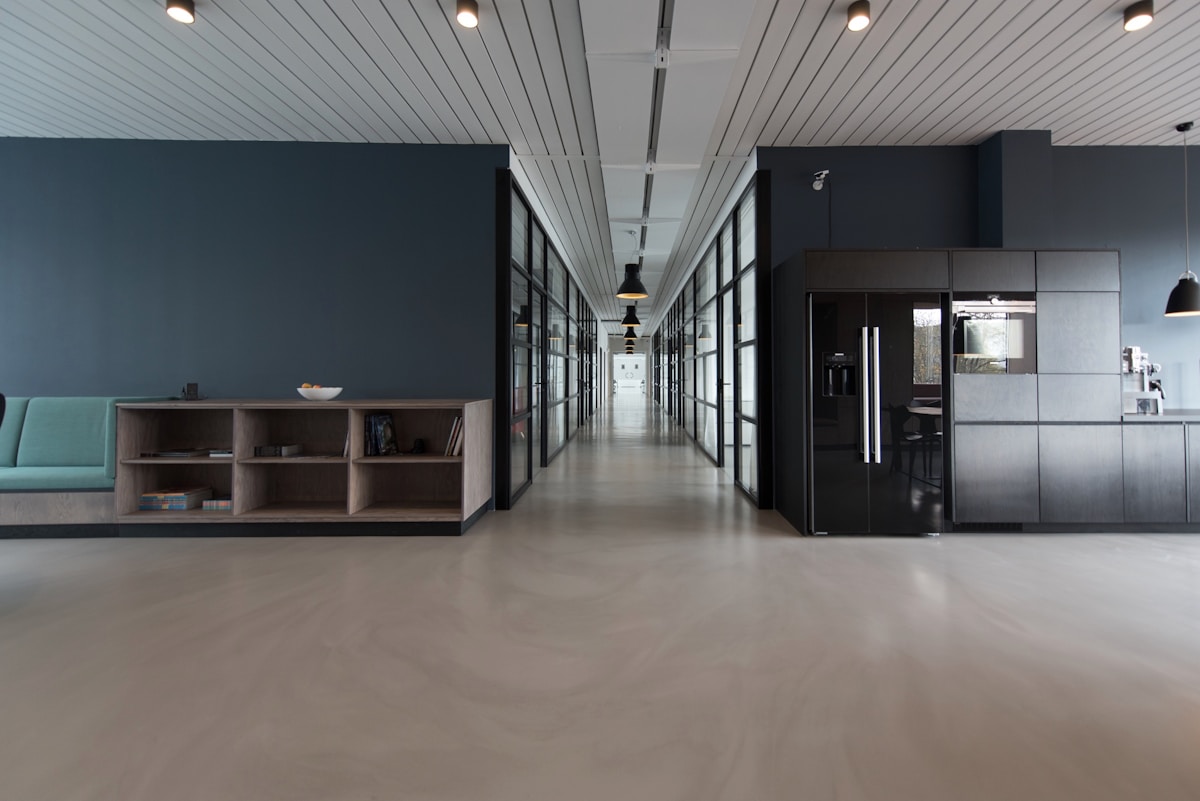
- Primary Signal: Luxury Home Office Ideas for Executives in 2026
- Overview: A luxury home office is about focus, comfort and presence on video calls. Design ideas for lighting, furniture, acoustics and the details that impress without distracting....
- Verification: Analyzed and compiled by LuxeLiving 768 editorial monitoring desk.
Working from home is permanent for many executives, and the home office has become a statement space: it must support deep work, look impeccable on video calls, and feel like a place you want to spend the day. Luxury here is not about expense; it is about the right light, sound, furniture and background. Done well, the room improves focus, health, and presence, and it pays for itself in better work and fewer distractions.
Natural light from the side, not from behind you, flatters you on camera and reduces eye strain. Position your desk perpendicular to a window, so daylight falls across the desk rather than into your eyes or the camera, and add a soft key light for video calls that eliminates harsh shadows. Layered lighting works best: a desk lamp for tasks, warm ambient light for evenings, and a dimmable overhead for general use, so the room works across the whole day rather than just during calls. Avoid a bright window directly behind you, which turns you into a silhouette on video, and use sheer curtains or blinds to soften harsh midday sun. Good light is the cheapest luxury upgrade and the most visible one on camera.
A proper desk at the right height, a chair that supports your back for eight hours, and storage that hides clutter are the non-negotiables. Executive offices favour solid wood or stone desks and leather seating, but ergonomics matter more than materials: a beautiful chair that hurts after two hours is a failed purchase. Set your screen at eye level, keep elbows at roughly 90 degrees, and choose a chair with adjustable lumbar support, seat depth, and armrests. A sit-stand desk is worth considering if you spend the whole day at your desk, since alternating sitting and standing reduces fatigue and back pain. Closed storage, drawers, and shelving keep the desk clear, and a clear desk directly improves focus.
Sound matters more than most people realise: soft furnishings, rugs, bookshelves and acoustic panels reduce echo and make your voice sound professional on calls. A quality microphone, even a modest USB model, improves how you sound more than an expensive camera does, and a door you can close matters more than any gadget. Your background should be tidy, personal but not distracting: books, art, or a plant, with nothing confidential visible and no cluttered shelves fighting for attention. Test your setup on a real call and ask a colleague what they actually see and hear, including whether your face is well lit, your voice is clear, and your background is calm. Small acoustic fixes, such as a rug and curtains, often transform a hollow-sounding room.
Plan cable management from the start: a cable tray under the desk, a single power hub, and wireless peripherals where possible keep the desk clean and the room safe. Place the printer, filing, and reference books within arm's reach but out of camera view, and keep a notepad and water on the desk for calls. Dual monitors or a wide monitor improve productivity for document work, while a laptop stand keeps the screen at eye level when travelling between office and home. Consider a second, comfortable chair for one-to-one conversations in person, and a small side table for coffee, so the office works for both focused work and meetings. Layout should follow your day: the most-used items closest, the rest stored but accessible.
Small upgrades make a disproportionate difference: a quality desk lamp, a real plant, a piece of art you like, cable management that hides every wire, and a door you can close. Plants improve air quality and mood, art makes the room feel personal rather than corporate, and a good rug anchors the space and dampens sound. Keep personal items curated rather than crowded, rotate art or plants seasonally if you like, and protect the room as a work boundary: when you leave, close the door and the laptop, so work does not bleed into home life. The goal is a room that signals professionalism to others and calm to yourself. Avoid turning the office into a showroom; it should feel lived in, organised, and personal.
A luxury home office is built on good light, ergonomic furniture, quiet acoustics and a clean video background. Get those four things right, add thoughtful technology and a few personal details, and the room will serve both your work and your image for years.
📖 Continue Reading the Full Story
Continue reading this article on LuxeLiving 768.
⚡ Access Full Content NowMore from LuxeLiving 768


 ⚡ SkyFree Athletics
How to Start Working Out at Home Without Equipment for Beginners
A complete beginner's guide to building your first no-equipment home workout routine — the right movements, a ...
 🌿 SkyFree Living
How to Build a Rocket Mass Heater for an Off-Grid Home
A step-by-step guide to building a rocket mass heater: the J-tube combustion core, insulated heat riser, barre...
 ✈️ SkyFree Club
What Is an AI Receptionist for Travel Agencies? A 2026 Guide
How AI voice receptionists give travel agencies 24/7 booking lines — answering trip inquiries, quoting package...
🖋️ SkyFree Chronicles
What Is an AI Receptionist for Bookshops and Indie Publishers? A 2026 Guide
How AI voice receptionists handle after-hours calls for bookshops and small publishers — order inquiries, even...