Are Luxury Watches a Good Investment in 2026? The Honest Answer
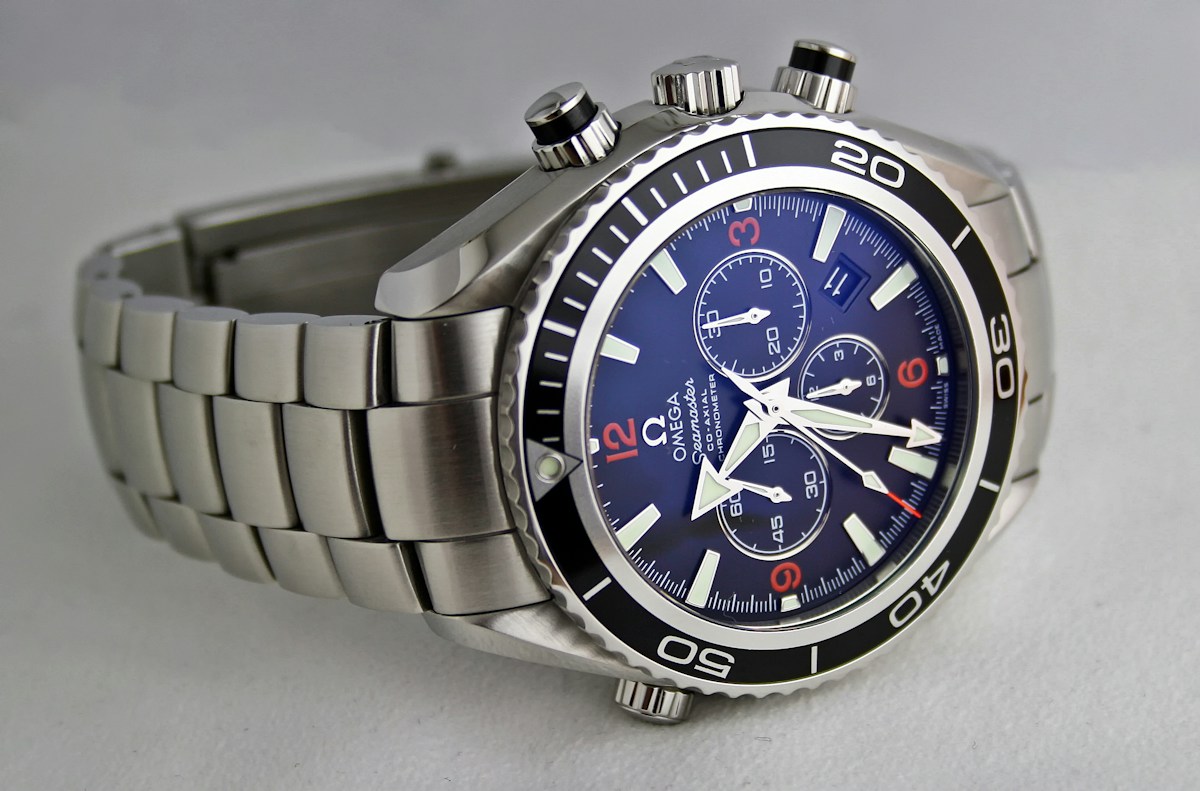
- Primary Signal: Are Luxury Watches a Good Investment in 2026? The Honest Answer
- Overview: Some watches beat the stock market; most do not. Here is what actually holds value in 2026, what to avoid, and how to buy wisely....
- Verification: Analyzed and compiled by LuxeLiving 768 editorial monitoring desk.
Luxury watches have a reputation as investments, but the honest answer in 2026 is more selective than the hype suggests: a small number of references genuinely hold or grow their value, while most watches depreciate like any other luxury good. The post-pandemic bubble, which pushed secondary prices twenty to forty percent above their peaks before correcting, has left a leaner, more rational market. That correction is actually good news for careful buyers, because it separates true collector pieces from speculative fashion.
Steel sports models from the top houses dominate value retention. Rolex Submariner, GMT-Master II, and Daytona references consistently trade above retail, with certain Daytonas commanding double their original price, while Patek Philippe's Nautilus and Aquanaut and Audemars Piguet's Royal Oak hold similar premiums. These watches share the same ingredients: global brand recognition, constrained supply, decades of collector demand, and designs that have barely changed, which makes them instantly recognisable and easy to resell.
Discontinued references deserve special attention, because scarcity drives their prices more than any other factor. A Submariner variant retired from production can trade far above its original retail within a few years, while current-production fashion models from the same brands may sit below retail. Limited editions and independent makers with tiny production, such as F.P. Journe at roughly nine hundred watches a year, can appreciate dramatically, but they also carry thinner resale markets and higher risk.
Condition and completeness move prices more than most buyers expect. A complete set with original box, papers, and service history typically commands a ten to twenty percent premium over the same watch sold bare, and the gap widens on collectible pieces. Over-polishing, aftermarket parts, and missing documentation all reduce value, sometimes sharply, which means buying from reputable dealers and keeping every document matters as much as choosing the right reference.
The watches to avoid for investment are equally clear. Fashion-brand watches lose most of their value immediately, because their movements are generic and their premium pays for a logo, not horology. Gold dress watches from second-tier brands depreciate heavily, and small independent brands without secondary-market liquidity can lose thirty to fifty percent in the first year. These watches can be wonderful to wear, but buying them as investments is a mistake.
Transaction costs and illiquidity complete the honest picture. Watches take time to sell, dealer margins eat into returns, and values can swing with collector sentiment rather than economic fundamentals. Experts suggest treating watches as at most a small alternative allocation, perhaps five to ten percent of a diversified portfolio, and never as a primary investment strategy. Index funds and real estate offer more predictable returns with far better liquidity, and no watch compensates for ignoring that.
The wisest approach is to buy watches you genuinely want to wear, chosen from references with proven value retention, complete documentation, and fair prices. If the watch appreciates, that is a pleasant bonus; if it holds most of its value while giving you years of pleasure, that is already a better outcome than almost any other luxury purchase. In watches, as in everything else, the best investment is rarely the one marketed as one.
Auction houses and grey-market dealers form the two main resale channels, and each suits different sellers. Auction houses reach global collectors and achieve strong prices for rare or historically significant pieces, but they charge seller commissions and take time to pay out. Grey-market dealers offer immediate payment and convenience, but at a discount to the auction price, since they must resell at a profit. Private sales through collector communities can split the difference, though they carry authentication and payment risks that newcomers should not take lightly. Servicing costs also affect returns: a full manufacturer service for a luxury watch can cost hundreds to thousands of dollars, and a watch with an expired service history sells for less. Factor in insurance, safe storage, and servicing, and the true return on a watch investment looks considerably more modest than the headline resale price suggests.
📖 Continue Reading the Full Story
Continue reading this article on LuxeLiving 768.
⚡ Access Full Content NowMore from LuxeLiving 768



 🛍️ Caylin Shop
Is the TikTok-Viral Posture Corrector Worth Buying in 2026? An Honest Verdict
Posture correctors are all over TikTok Shop — strap braces and smart buzz devices promising a straighter back....
 ✈️ SkyFree Club
2026 Industry Analysis: Typing Speed Test — WPM & Accuracy Test Online (Day 3 Guide)
Why experts rely on Typing Speed Test — WPM & Accuracy Test Online on SkyFree Club. Discover essential market ...
 ⚡ SkyFree Athletics
What Is an AI Receptionist for Gyms and Fitness Studios? A 2026 Guide
How AI voice receptionists give gyms 24/7 front-desk coverage — class bookings, membership inquiries, and tria...
 🖋️ SkyFree Chronicles
2026 Industry Analysis: Desi Shop Khata, Profit & School Fee Calculator (PKR) (Day 3 Guide)
Why experts rely on Desi Shop Khata, Profit & School Fee Calculator (PKR) on SkyFree Chronicles. Discover esse...