Private Jet vs First Class Cost Comparison: What You Actually Get for the Price
- Primary Signal: Private Jet vs First Class Cost Comparison: What You Actually Get for the Price
- Overview: A private jet charter can cost ten times a first-class ticket, but the comparison is not that simple. Here is how the two really compare on price, time, and value....
- Verification: Analyzed and compiled by LuxeLiving 768 editorial monitoring desk.
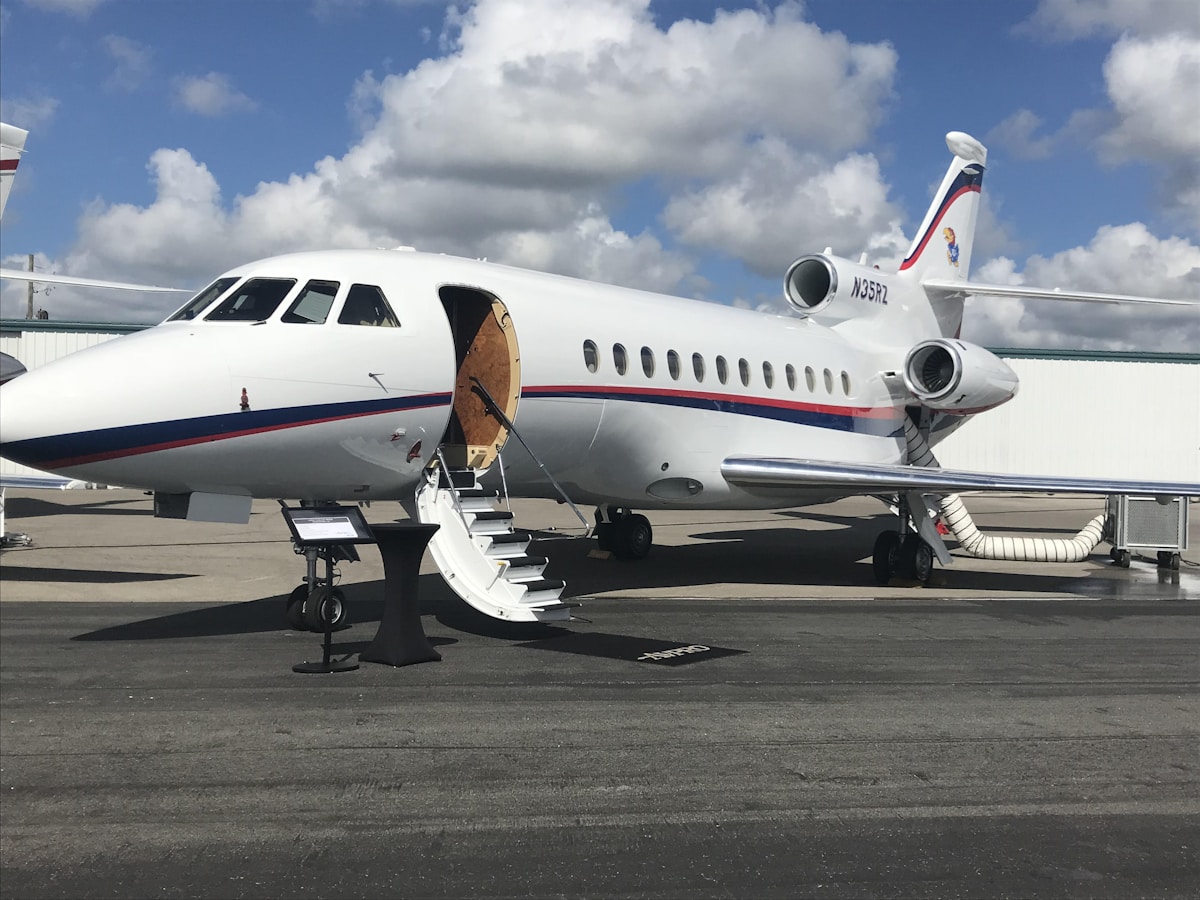
Private jets look glamorous, but the price gap between chartering a jet and booking a first-class seat is enormous, and understanding it helps explain why each option suits a different kind of traveller. A first-class ticket on a long-haul route typically costs a few thousand dollars, while chartering a light private jet for the same route can cost tens of thousands, and a large-cabin jet can cost several times more again.
The comparison changes when you count passengers. A first-class ticket is priced per person, so a family or business team of six pays six fares, while a private jet is priced per flight, so the same six people share one charter cost. On short routes with a full cabin, the per-person cost of a private jet can approach premium commercial fares, though it rarely beats them outright once landing fees, catering, and crew costs are included.
Time is the real product private aviation sells. Private passengers arrive minutes before departure, skip security queues and connections, and fly directly to smaller airports closer to their destination. For a business traveller whose time is worth thousands per hour, saving four hours on a trip can justify the charter cost on its own, while a leisure traveller with a flexible schedule gets far less value from the same saving.
First class, by contrast, sells comfort within a shared system. You get a lie-flat seat, premium dining, lounge access, and priority handling, but you still follow the airline's schedule, route, and airport. For most travellers, that combination delivers most of the luxury at a small fraction of the private price, which is why first class remains the rational choice for anyone who does not need total schedule control.
There are middle options worth knowing. Empty-leg flights, where a jet must reposition without passengers, are sold at steep discounts and can make private flying affordable for a one-off trip. Jet cards and fractional ownership spread costs across many flights, but only make financial sense for people flying privately dozens of times a year. Membership clubs offer another route, though their fees and restrictions need careful reading.
Hidden costs catch out first-time private flyers. Charter quotes often exclude catering beyond basics, ground transport, overnight crew fees, de-icing in winter, and taxes, which can add a significant percentage to the headline price. First-class fares, meanwhile, are usually all-inclusive except for extras like chauffeur services, making the comparison harder than a simple fare-versus-quote check.
The environmental cost is also part of the conversation now. A private jet emits far more per passenger than a first-class seat on a full commercial flight, and that footprint is increasingly scrutinised. Some operators offer carbon offset programmes, but their effectiveness varies, and travellers who care about emissions should treat private flying as an occasional choice rather than a default.
The decision rule is simple: choose first class when the airline's schedule works and you value comfort at a reasonable price, and choose private when your schedule, destination, or group size makes commercial flying impractical. For everyone else, the smart move is to enjoy first class and spend the tens of thousands saved on the trip itself, not on getting there.
Booking lead time also affects the comparison in ways first-time flyers rarely expect. First-class fares are usually cheapest weeks in advance and rise sharply near departure, while private charter prices stay relatively stable but depend on aircraft availability, meaning a last-minute charter during peak season can be hard to secure at any price. Travellers who need flexibility should compare not just the price of each option, but the certainty of actually getting a seat or an aircraft on the day they need to travel, because a missed meeting can cost far more than either fare.
📖 Continue Reading the Full Story
Continue reading this article on LuxeLiving 768.
⚡ Access Full Content NowMore from LuxeLiving 768


 🖋️ SkyFree Chronicles
How to Pitch a Literary Magazine: A First Submission Guide
A literary magazine submission needs a short cover note, a story formatted to the magazine's guidelines, and a...
 🛍️ Caylin Shop
Viral Gifts for Teenage Girls 2026: What's Actually on Their Lists
Teenage wish lists in 2026 are dominated by a few beloved beauty brands, collectible plush, and trending bottl...
 🛰️ FreeSky Aerial
How to Sleep on a Long-Haul Flight in Economy Class
Sleeping in economy is a skill: window seat, the right gear, destination-timed sleep and smart hydration. Here...
 ✈️ SkyFree Club
Strategic Blueprint: Palworld Breeding Calculator — Parents, Combos & Paths (Day 6 Guide)
Unlocking high-yield efficiency through Palworld Breeding Calculator — Parents, Combos & Paths on SkyFree Club...