First-Time Yacht Buyer Mistakes That Cost Millions
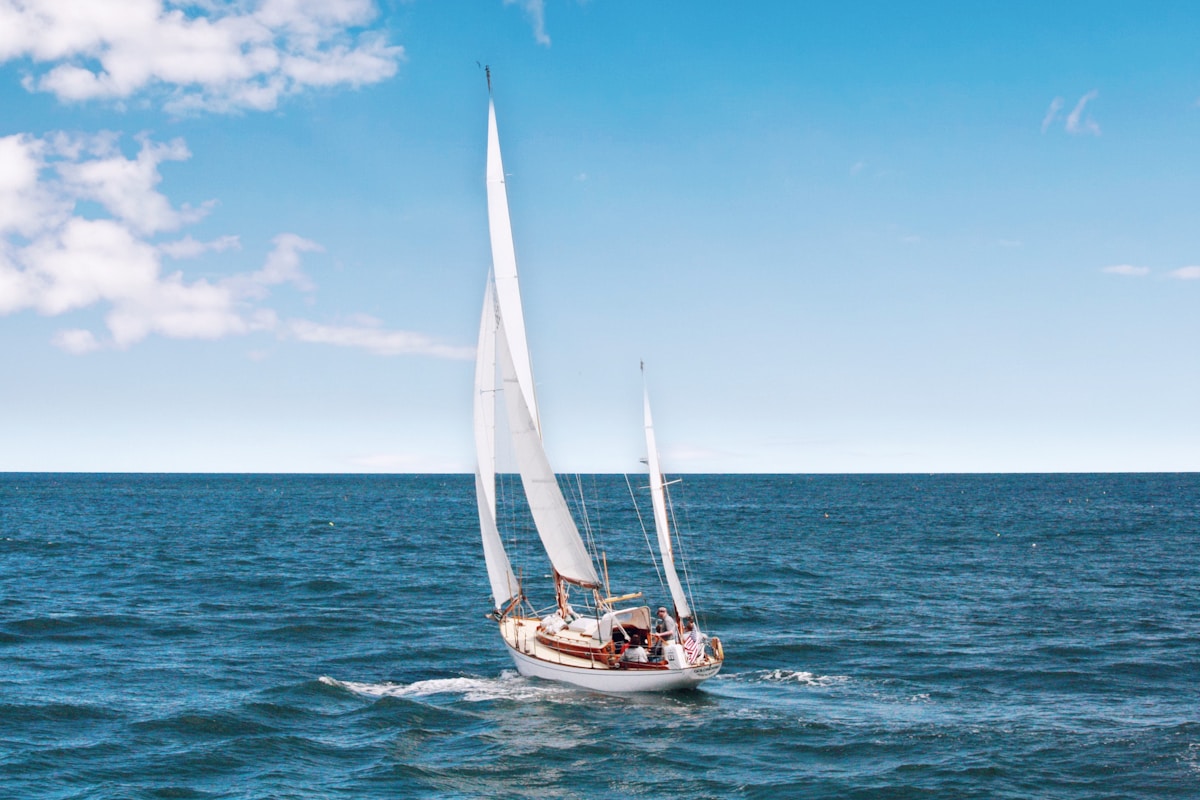
- Primary Signal: First-Time Yacht Buyer Mistakes That Cost Millions
- Overview: Buying a yacht is nothing like buying a car or a house, and first-time buyers make expensive mistakes. Here are the ones that cost millions, and how to avoid them....
- Verification: Analyzed and compiled by LuxeLiving 768 editorial monitoring desk.
Buying a yacht for the first time feels like a dream fulfilled, but the marine industry is full of stories about buyers who spent millions and regretted it within a year. Yachts are unlike houses or cars: they depreciate, they demand constant maintenance, and their true costs hide behind the purchase price in ways that surprise even wealthy buyers. The most expensive mistakes are rarely about choosing the wrong brand; they are about misunderstanding what yacht ownership actually involves.
The first mistake is buying size instead of suitability. First-time buyers often choose the largest yacht they can afford, imagining grand entertaining and long voyages, only to discover that a bigger yacht needs a bigger crew, costs far more to berth and maintain, and feels overwhelming to operate. A smaller yacht that matches how you will actually use it, whether weekend coastal cruising or family holidays, delivers far more enjoyment than a larger one that intimidates its owner into staying in port.
Skipping a thorough pre-purchase survey is the mistake that costs the most, most quickly. A professional marine survey inspects the hull, engines, electrical systems, and safety equipment, revealing problems invisible to an enthusiastic buyer walking a polished deck. Engine issues, osmosis in the hull, or outdated electronics can each cost six figures to fix, and sellers are not obliged to volunteer problems. A survey costing a few thousand dollars routinely saves buyers hundreds of thousands, yet excitement and trust lead many to skip it.
The sea trial is equally non-negotiable, because a yacht behaves completely differently underway than it does tied to a dock. Handling, noise, vibration, speed, and comfort in real conditions reveal whether the vessel suits you, and whether its systems work under load. Buyers who skip the sea trial often discover too late that their yacht pounds uncomfortably in waves, manoeuvres poorly, or has engines that falter at cruising speed, all problems that are expensive or impossible to fix after purchase.
Underestimating annual running costs is the mistake that turns excitement into resentment. Industry guidance suggests budgeting around ten percent of the yacht's value annually for maintenance, berthing, insurance, crew, and fuel, and that figure surprises almost every first-time buyer. A yacht that sits unused still costs money: hulls need antifouling, engines need servicing, and systems deteriorate without use. Buyers who budget only for the purchase price find themselves resenting the asset within two years.
Crew and management decisions compound the problem. A yacht over a certain size needs professional crew, and hiring, managing, and retaining good crew is a skill in itself. Many first-time owners benefit enormously from a yacht management company that handles maintenance schedules, crew employment, and regulatory compliance, yet buyers often resist the management fee, only to discover that amateur management costs far more in neglect and mistakes.
The wise first-time buyer starts smaller than their budget allows, commissions an independent survey and a proper sea trial, budgets ten percent annually for running costs, and hires professional management from day one. Better still, charter several different yachts first to learn what size, layout, and cruising style you actually enjoy. A yacht should be a source of freedom and pleasure, and the buyers who treat the purchase as a careful decision rather than an impulse are the ones who still love their boat years later.
Flag registration and berthing are two administrative realities that first-time yacht buyers routinely underestimate, and both carry real costs. Registering a yacht involves choosing a flag state, complying with its safety and tax rules, and handling paperwork that varies widely by jurisdiction, with some flags offering tax advantages and others imposing stricter inspections. Berthing is equally consequential: prime marina slips in popular locations have waiting lists measured in years, and annual berthing fees for a large yacht can rival a luxury car's price. Buyers who purchase a yacht before securing a berth sometimes discover their vessel has nowhere legal to stay, forcing expensive temporary arrangements. Crew hiring adds another layer, with salaries, insurance, and employment law all requiring professional handling. The lesson is consistent across every aspect of yacht ownership: the purchase is the simplest part, and the infrastructure around it decides whether the dream survives contact with reality.
📖 Continue Reading the Full Story
Continue reading this article on LuxeLiving 768.
⚡ Access Full Content NowMore from LuxeLiving 768


 🛍️ Caylin Shop
Viral Skincare Tools: A Buyer's Guide to What Actually Helps
Viral skincare tools promise clearer, firmer skin, but results vary and some tools can irritate. Learn how to ...
 ✈️ SkyFree Club
2026 Industry Analysis: Typing Speed Test — WPM & Accuracy Test Online (Day 3 Guide)
Why experts rely on Typing Speed Test — WPM & Accuracy Test Online on SkyFree Club. Discover essential market ...
 ⚡ SkyFree Athletics
Deep-Dive Audit: Typing Speed Test — WPM & Accuracy Test Online (Day 4 Guide)
Mastering performance metrics with the Typing Speed Test — WPM & Accuracy Test Online on SkyFree Athletics. Di...
 🖋️ SkyFree Chronicles
Beginner to Advanced: Typing Speed Test — WPM & Accuracy Test Online (Day 5 Guide)
How to maximize results using the Typing Speed Test — WPM & Accuracy Test Online on SkyFree Chronicles. Discov...