Luxury Watches That Hold Their Value in 2026: What Beginners Should Know
- Primary Signal: Luxury Watches That Hold Their Value in 2026: What Beginners Should Know
- Overview: Most luxury watches lose value, but a few steel sports models hold or gain it. Here is which brands and models hold value in 2026, why discontinuation matters, and the mistakes new...
- Verification: Analyzed and compiled by LuxeLiving 768 editorial monitoring desk.
Most luxury watches lose value the moment you leave the store, much like a new car. A small number, however, hold their price for years or trade above retail on the secondary market. For beginners, the difference between those two outcomes usually comes down to buying the right model from the right brand, at the right price, with the right paperwork. Here is what actually holds value in 2026, and how to avoid the expensive mistakes new collectors make.
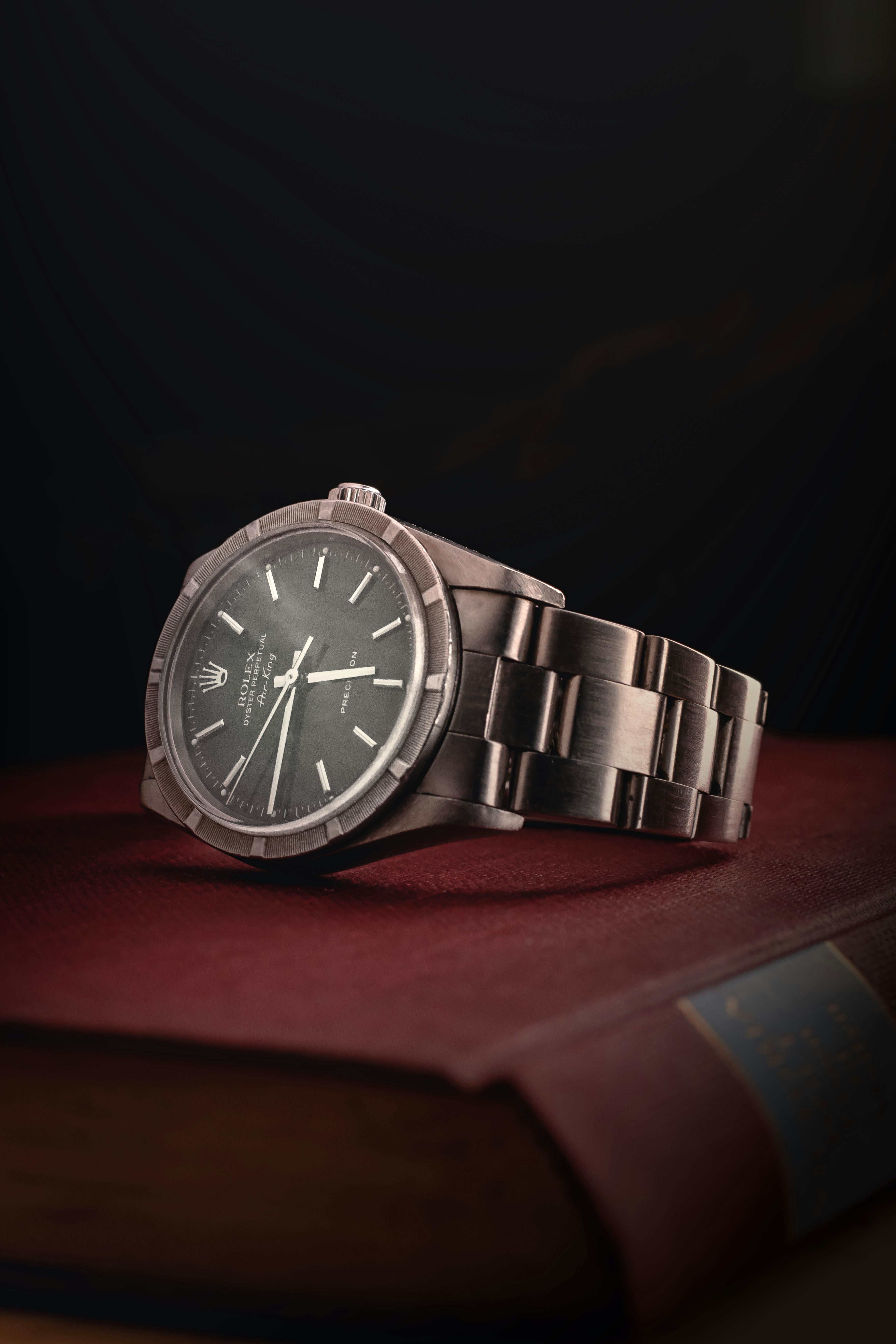
Value stability in watches revolves around a handful of names. Rolex is the clear leader: its steel sports models, including the Submariner, Daytona, and GMT-Master II, routinely trade above list price, with the Daytona often near double its retail price. Patek Philippe's Nautilus and Aquanaut command even larger premiums, driven by tiny production numbers of around 70,000 watches a year across the whole brand. Audemars Piguet's Royal Oak in steel holds strongly, and Vacheron Constantin's Overseas trades close to list. By contrast, most models from Omega, TAG Heuer, IWC, and Breitling sell below retail on the secondary market, though they hold value far better than fashion watches. The lesson is simple: brand and model matter more than price tag, and a steel sports watch from the top three brands is a fundamentally different purchase from a gold dress watch from anyone else.
Three forces drive watch values: demand, scarcity, and staying power. When a brand makes far fewer pieces than the market wants, waitlists form, and secondary prices rise above retail. Discontinuation is the single biggest accelerant: when production stops, scarcity becomes permanent. The Hulk Submariner retailed around $9,000 before being discontinued in 2020 and now trades well above $16,000. Condition matters just as much: a complete set with the original box and papers typically adds 10 to 20 percent to resale value over the same watch sold bare, and over-polished cases lose their premium because collectors value originality. Buying at a realistic market price, rather than chasing a peak, is what separates a good purchase from a costly one.
The most common beginner mistake is buying a watch as an investment first and a watch second. Most watches do not appreciate, and even the best models are illiquid, carry transaction costs, and require years to realize gains. Avoid hype-driven releases from the latest trend cycle, avoid incomplete sets without papers, and avoid paying a large premium for a model with high production volumes. Be wary of anyone promising guaranteed returns; the watch market corrected sharply after the 2022 peak, with average secondary prices for sports models falling 20 to 40 percent, and only iconic references recovered. Treat any watch purchase as a 5 to 10 year hold, and buy a watch you genuinely want to wear, so that even a flat market leaves you with something you enjoy.
For a first value-conscious purchase, the sweet spot is a steel sports model from Rolex, Patek Philippe, or Audemars Piguet, bought from a reputable dealer with full box and papers, at or near the going market price. If your budget is smaller, a Tudor Black Bay 58 or an Omega Speedmaster Moonwatch offers strong value retention and high liquidity at a fraction of the price. Track prices on established marketplaces before buying, compare several dealers, and never rush a purchase because a dealer claims a watch will be gone tomorrow. Patience is the cheapest tool in watch collecting, and it is the one beginners use least.
Before spending serious money on any watch, spend a few weeks researching prices on established marketplaces and collector forums. Track the specific reference you want, not just the model line, because prices vary enormously between dial colors, materials, and production years. Compare asking prices with actual sold prices where available, and learn the warning signs of over-polished cases, replaced parts, and incomplete sets. A patient buyer who knows the market price for their exact reference rarely overpays, while an impatient buyer who falls in love in a store often does.
📖 Continue Reading the Full Story
Continue reading this article on LuxeLiving 768.
⚡ Access Full Content NowMore from LuxeLiving 768



 🛍️ Caylin Shop
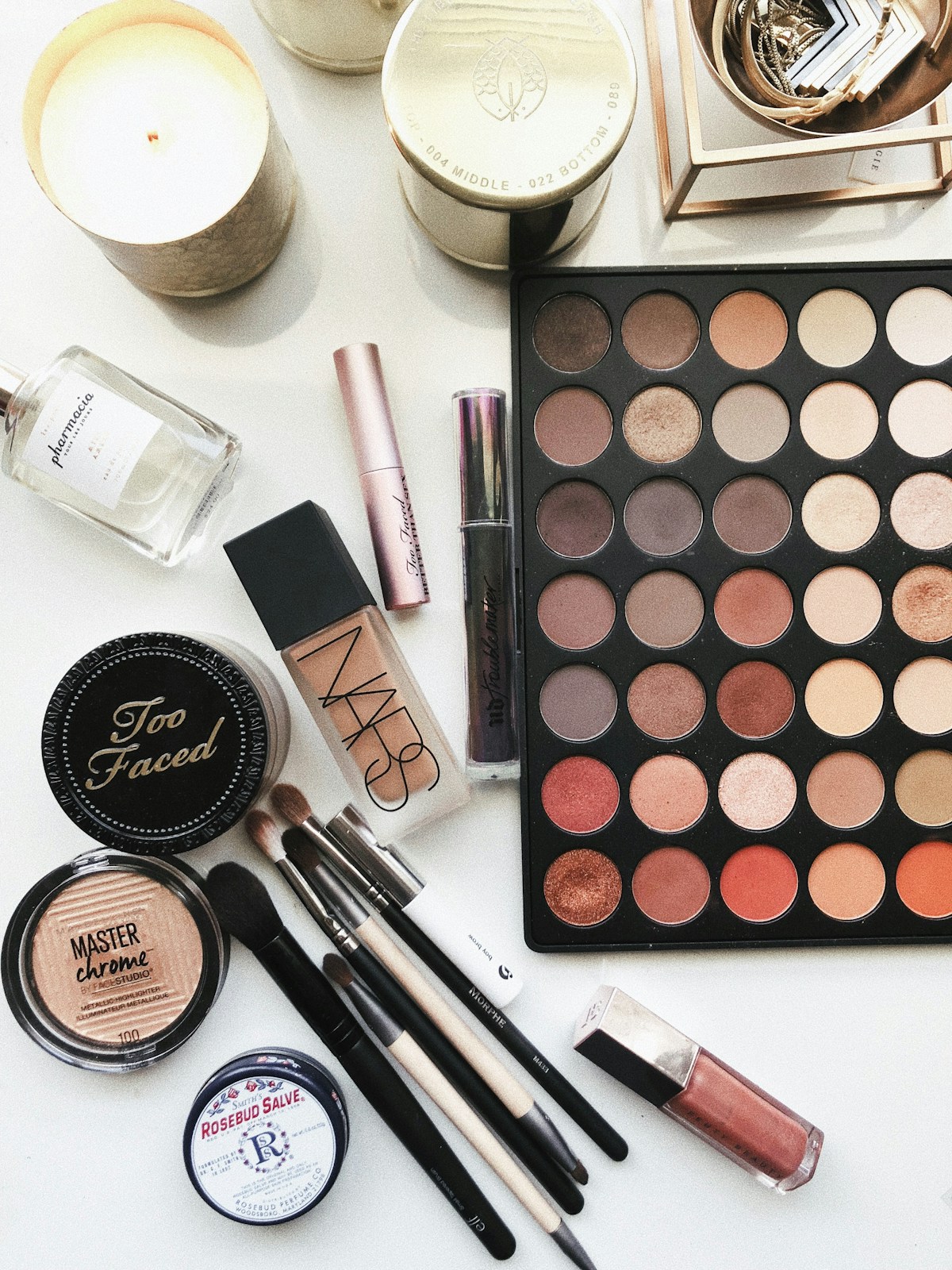
Viral Gifts for Teenage Girls 2026: What's Actually on Their Lists
Teenage wish lists in 2026 are dominated by a few beloved beauty brands, collectible plush, and trending bottl...
 ✈️ SkyFree Club
2026 Industry Analysis: Typing Speed Test — WPM & Accuracy Test Online (Day 3 Guide)
Why experts rely on Typing Speed Test — WPM & Accuracy Test Online on SkyFree Club. Discover essential market ...
 🎒 SkyFree Outfitters
2026 Industry Analysis: GST Calculator — Add or Extract GST & VAT (Day 3 Guide)
Why experts rely on GST Calculator — Add or Extract GST & VAT on SkyFree Outfitters. Discover essential market...
 🏆 2026 World Cup Central
World Cup 2026 Ticket Categories Explained: Prices, Views and Value Guide
Category 1, 2, 3 and hospitality: what each World Cup 2026 ticket tier really buys you, and where the best val...