Supercar Insurance Costs Explained: Why Premiums Are So High and How to Lower Them
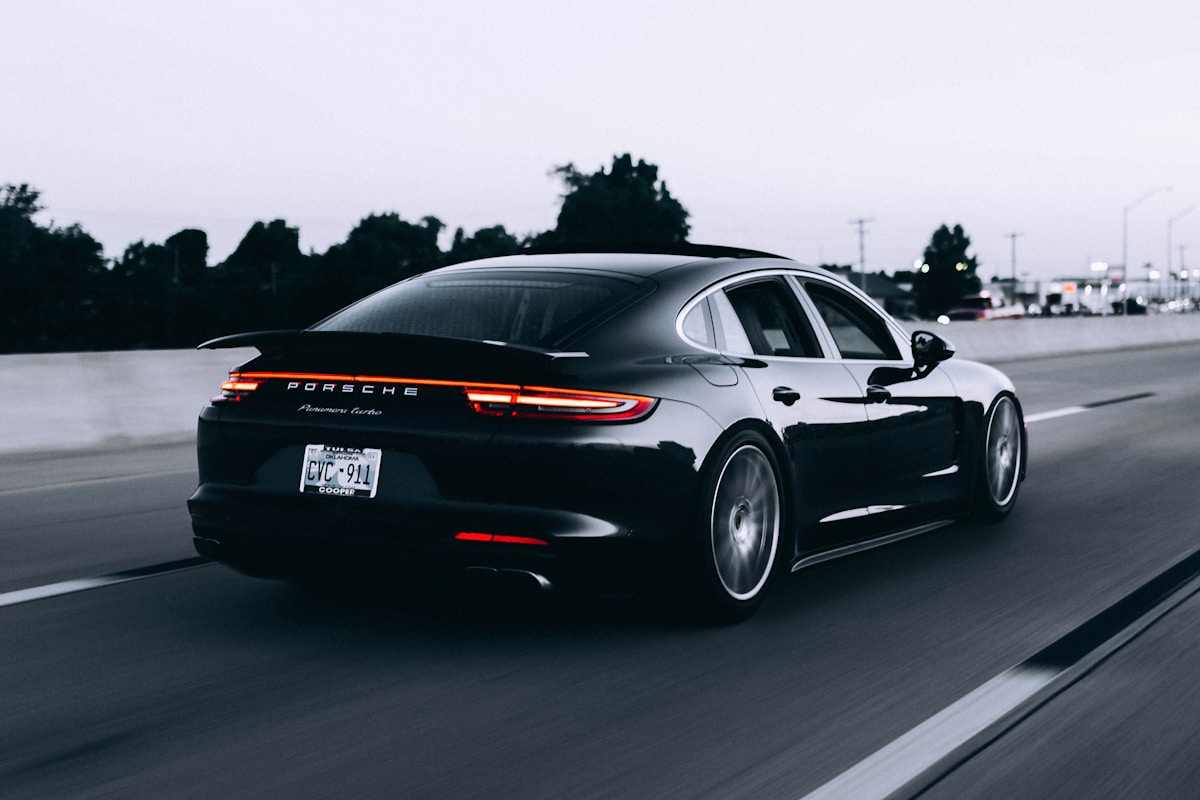
- Primary Signal: Supercar Insurance Costs Explained: Why Premiums Are So High and How to Lower Them
- Overview: Supercar insurance can be the largest annual cost after depreciation. Here is what drives premiums up, and how owners keep cover affordable without cutting corners....
- Verification: Analyzed and compiled by LuxeLiving 768 editorial monitoring desk.
Supercar insurance is one of the largest hidden costs of owning a high-performance car, and first-time buyers are often shocked by the quote. Insuring a car worth several hundred thousand is fundamentally different from insuring an ordinary vehicle, because repair costs, theft risk, and the car's performance all push premiums far above average.
The car's value is the starting point. A supercar's parts are expensive and often imported, body panels may be carbon fibre rather than steel, and repairs require specialist workshops rather than general garages. A minor accident that would cost a few thousand on a family car can cost tens of thousands on a supercar, and insurers price that risk into every policy.
Performance is the second major factor. A car capable of very high speeds and rapid acceleration is statistically more likely to be involved in a serious accident, and insurers charge accordingly. The driver's profile matters here too: age, driving history, location, and annual mileage all affect the quote, and a young driver with a recent claim will pay dramatically more than an experienced driver with a clean record garaging the car securely.
Where the car lives matters as much as who drives it. A car kept in a locked garage in a low-crime area costs less to insure than one parked on the street in a city centre, and some insurers require approved tracking devices, immobilisers, and garaging as conditions of cover. Usage matters too: a car driven only on weekends and stored over winter is cheaper to insure than one used daily for commuting.
Policy types differ in ways worth understanding. Agreed-value policies fix the car's insured value upfront, which protects owners of appreciating or rare models, while market-value policies pay whatever the car is worth at claim time, which can disappoint owners of limited editions. Comprehensive cover is standard for supercars, but the details around track-day cover, European travel, and courtesy cars vary widely and should be read carefully.
There are legitimate ways to reduce premiums without cutting cover. Limiting annual mileage, choosing a higher voluntary excess, completing advanced driving courses, and using a specialist supercar insurer rather than a general provider can all help. Specialist insurers understand the market, offer agreed-value policies as standard, and often provide better claims handling, because their assessors know the cars.
Claims history deserves attention. Supercar owners sometimes avoid claiming for minor damage to protect their no-claims record, paying for small repairs themselves instead. That can be sensible, but it should be a deliberate decision, not a habit: unrepaired damage can worsen, and failing to disclose an accident to an insurer can void cover entirely. Honesty with insurers is always cheaper in the long run.
The practical lesson is to get insurance quotes before buying the car, not after. A supercar that looks affordable on its purchase price can become unaffordable once insurance, maintenance, and depreciation are added, and insurance is often the largest annual cost after depreciation itself. Price the whole ownership experience first, and the car you can genuinely afford becomes clear quickly.
Telematics and usage-based policies are starting to appear in the supercar market, offering lower premiums to owners who drive limited miles or demonstrate safe driving through monitored data. These policies suit collectors whose cars spend most of the year garaged, but they require accepting data sharing and mileage caps that some owners find restrictive. For the right owner, however, a usage-based policy can cut premiums substantially without reducing cover, and it is worth asking specialist insurers whether they offer one before renewing a traditional policy. Get three quotes before you buy, and read the exclusions carefully.
📖 Continue Reading the Full Story
Continue reading this article on LuxeLiving 768.
⚡ Access Full Content NowMore from LuxeLiving 768


 🏆 2026 World Cup Central
World Cup 2026 Refereeing Explained: VAR, Semi-Automated Offside and the New Rules
Why did the referee wait, and why was that goal disallowed? A clear guide to VAR, semi-automated offside and t...
 ✈️ SkyFree Club
Strategic Blueprint: Palworld Breeding Calculator — Parents, Combos & Paths (Day 6 Guide)
Unlocking high-yield efficiency through Palworld Breeding Calculator — Parents, Combos & Paths on SkyFree Club...
 ⚡ SkyFree Athletics
Performance Benchmark: Palworld Breeding Calculator — Parents, Combos & Paths (Day 7 Guide)
Understanding real-world data from the Palworld Breeding Calculator — Parents, Combos & Paths on SkyFree Athle...
 🖋️ SkyFree Chronicles
How to Pitch a Literary Magazine: A First Submission Guide
A literary magazine submission needs a short cover note, a story formatted to the magazine's guidelines, and a...