Carbon-Ceramic Brakes: Lifespan, Cost, and What Owners Should Know

- Primary Signal: Carbon-Ceramic Brakes: Lifespan, Cost, and What Owners Should Know
- Overview: Carbon-ceramic brakes promise huge stopping power and long life, but replacement costs surprise many owners. Here is the full picture....
- Verification: Analyzed and compiled by LuxeLiving 768 editorial monitoring desk.
Carbon-ceramic brakes use discs made from carbon fibre reinforced with silicon carbide, paired with special pads, instead of the cast-iron discs found on most cars. The material handles extreme heat far better than iron, which is why it resists fade during repeated hard braking on a track, and it is also significantly lighter, which reduces unsprung weight and improves handling and ride. On the road, carbon-ceramic brakes feel strong and consistent once warm, though some systems feel less sharp when cold or in wet conditions until a few stops have brought them up to temperature. That warm-up behaviour is normal, but it surprises drivers who expect instant bite from the first pedal press on a cold morning.
The manufacturing process explains much of the cost. Carbon-ceramic discs are produced through a long, energy-intensive process involving moulding, heating, and silicon infiltration, and they must meet tight tolerances to work safely at high temperatures. They are typically fitted as standard on high-end supercars and hypercars, and offered as an expensive option on performance models below them. The pads are also specific to the system and cost more than ordinary pads, so even routine brake maintenance carries a premium, though pad changes are far more frequent than disc changes.
Under normal road use, carbon-ceramic discs can last a very long time, often the life of the car, because the material wears extremely slowly when it is not subjected to sustained track temperatures. Pads, by contrast, wear at a more ordinary rate and need replacement on a similar schedule to other performance brakes. Track use changes the picture dramatically: repeated stops from high speed generate sustained heat that accelerates disc wear, and a season of frequent track days can consume discs that would have lasted decades on the road. Driving style matters too: a driver who brakes late and hard everywhere will wear brakes faster than one who brakes smoothly, though carbon-ceramics tolerate that style better than iron discs do.
Damage, rather than wear, is the more common reason for carbon-ceramic replacement on road cars. A stone chip, a kerb strike, or improper handling during a tyre change can crack or chip a disc, and a damaged carbon-ceramic disc cannot be skimmed or repaired the way an iron disc can; it must be replaced. Mechanics should be trained on these systems, since incorrect procedures, such as using the wrong cleaning products or dropping a wheel onto a disc, can cause expensive damage. Always confirm that a workshop has carbon-ceramic experience before letting them work on your brakes.
When replacement is needed, the cost is substantial: a full set of carbon-ceramic discs and pads can cost many times an equivalent iron setup, and prices vary by model and by whether you use main-dealer or specialist parts. Some owners facing a large bill switch to an iron brake conversion, which costs less upfront and uses cheaper consumables, but changes the car's feel, weight, and originality, and may affect resale value. For most road-focused owners, the sensible approach is to protect the discs you have: avoid track use unless you accept the wear, choose workshops carefully, and inspect the brakes at every service. When buying a used supercar with carbon-ceramics, ask specifically about disc condition and have them measured or inspected during the pre-purchase check, since a car needing new discs is effectively priced thousands above its asking price.
The bottom line for owners is reassuring for road use and cautionary for track use. On the road, carbon-ceramic brakes are a long-life, high-performance system whose main risks are accidental damage and inexpert servicing, both avoidable with care. On the track, they are a consumable whose wear must be budgeted like tyres and fuel, and drivers who track frequently should go in with their eyes open about replacement costs. Understand which kind of owner you are, protect the system accordingly, and carbon-ceramics will reward you with consistent, fade-free stopping power for many years.
📖 Continue Reading the Full Story
Continue reading this article on LuxeLiving 768.
⚡ Access Full Content NowMore from LuxeLiving 768

 ⚡ CyberTech 568
How to Write Better Prompts for AI Image Generation: A Beginner's Guide
Good AI images start with specific prompts. Learn to describe subject, style, lighting and composition so the ...
 🎮 GameVault 668
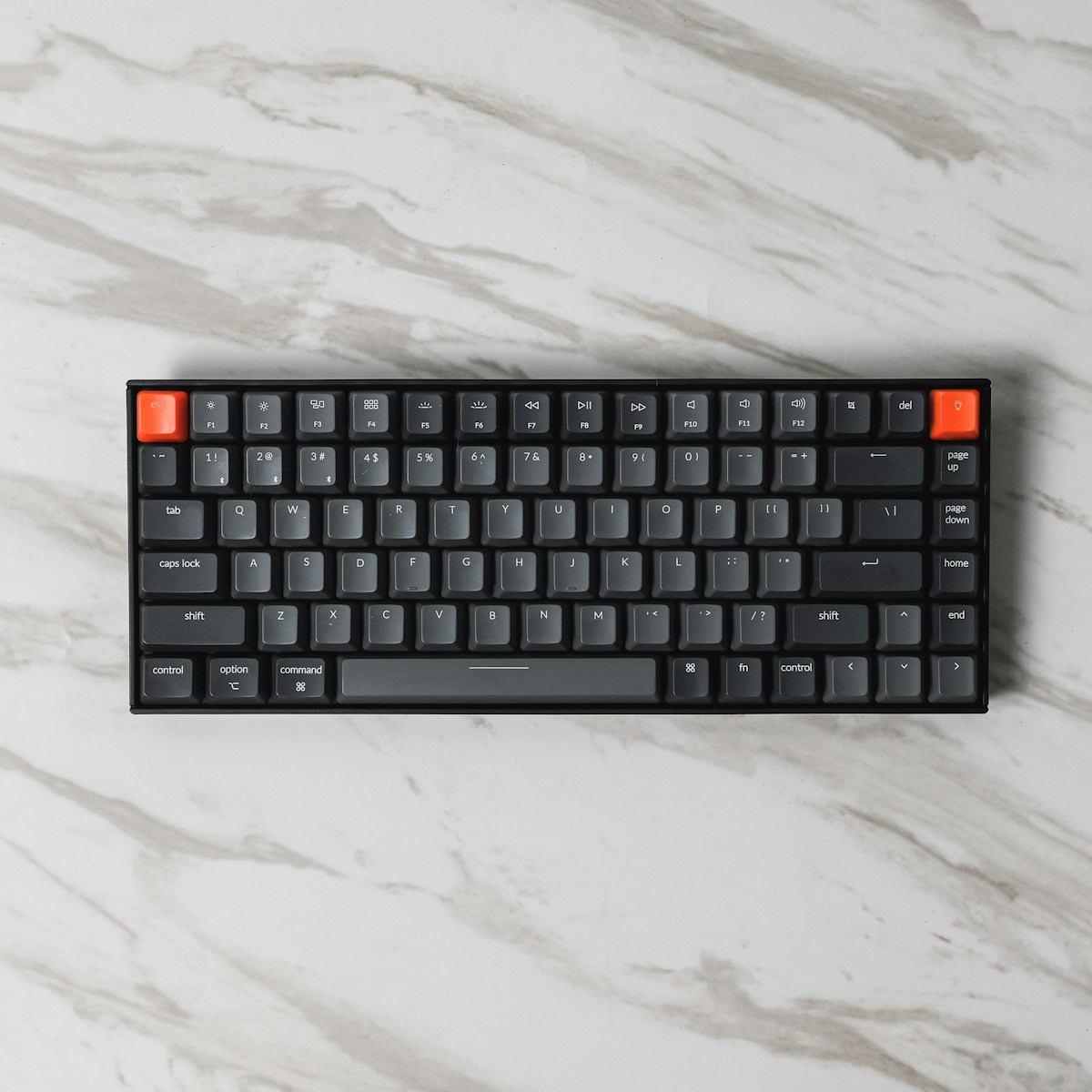
Best Budget Mechanical Keyboards Under $50 for Gaming in 2026
You no longer need to spend a fortune for a solid mechanical gaming keyboard. These sub-$50 picks deliver hot-...
 🏆 2026 Football Online
How VAR and Semi-Automated Offside Will Work at World Cup 2026
World Cup 2026 will use video review and semi-automated offside technology. Here is what VAR can and cannot ch...
 📦 Free2Rich Vault
The Pay Yourself First Budgeting Method: A Step-by-Step Guide for Beginners
The pay yourself first method flips the usual budgeting order: savings leave your account on payday, and you b...