Luxury Watches as Investment: A Beginners Guide
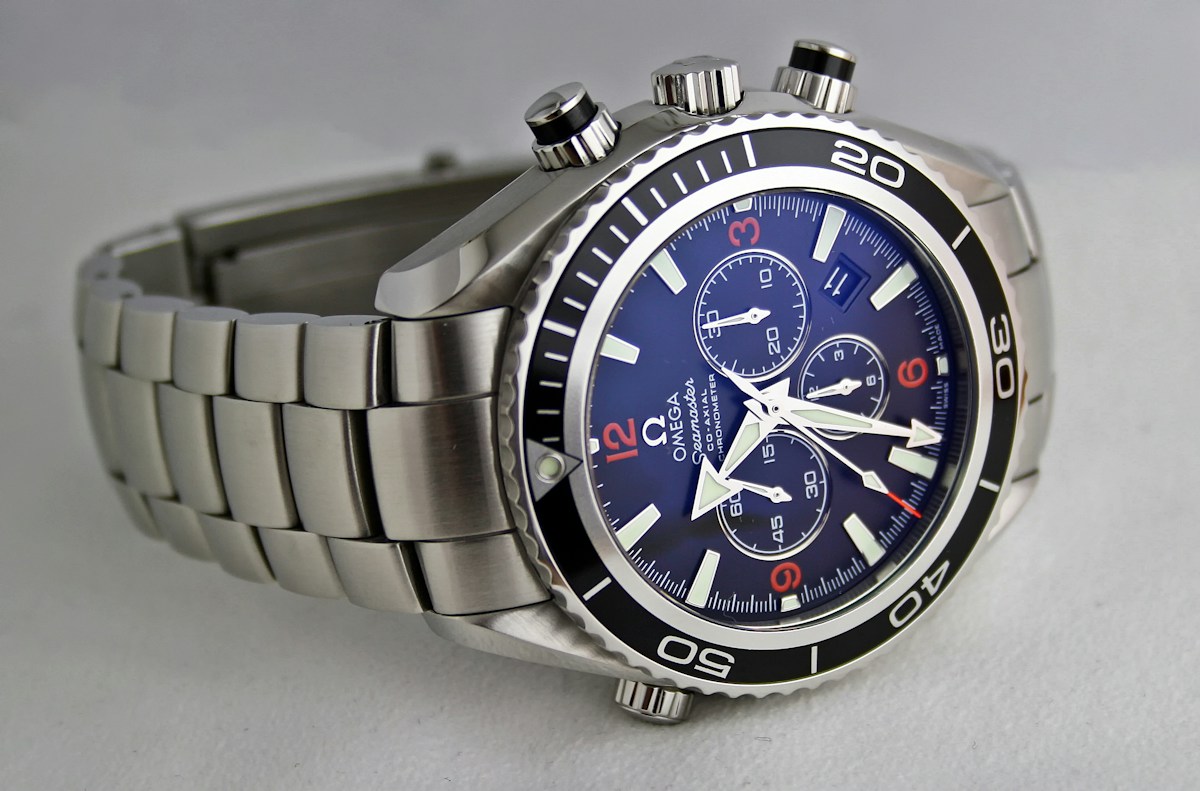
- Primary Signal: Luxury Watches as Investment: A Beginners Guide
- Overview: Can a luxury watch actually hold its value? This beginner's guide explains which watches retain worth, what to check before buying, and the risks to avoid....
- Verification: Analyzed and compiled by LuxeLiving 768 editorial monitoring desk.
Luxury watches attract buyers for two reasons: they are beautiful objects, and some of them hold or increase their value over time. But treating every expensive watch as an investment is a mistake. Most watches lose value after purchase, and only a small group of models from a few brands consistently perform well on the secondary market. A beginner should start by understanding that distinction, because it shapes every buying decision that follows.
The watches that tend to retain value share certain traits: strong brand recognition, limited production relative to demand, iconic design that does not age quickly, and a model history collectors respect. Steel sports models from the most sought-after brands often lead this group, while highly fashionable or heavily produced pieces can fall sharply. Condition matters enormously too. A watch with its original box, papers, and service history will almost always command more than the same model without them, so keeping the full set is part of the investment.
Before buying, research actual selling prices rather than retail lists. Check reputable secondary dealers, auction results, and recent completed sales for the exact reference number you are considering, because small differences in dial, year, or bracelet can change value significantly. Be cautious of grey-market premiums: paying far above retail for a hyped model only makes sense if you have a clear reason to believe demand will stay strong, and hype fades faster than most buyers expect.
Authentication is non-negotiable. The luxury watch market attracts counterfeits, and even genuine watches can carry replaced parts that reduce value. Buy from authorised dealers or well-established secondary dealers with return policies and verification processes, and consider an independent inspection for high-value pieces. If a deal looks far below market price, treat that as a warning sign, not a bargain, because genuine sellers rarely need to discount deeply.
Costs beyond the purchase price also matter. Servicing a mechanical watch every few years, insurance, and safe storage all add up, and a watch that is worn daily will show wear that affects resale. Some collectors rotate pieces to spread wear, while others accept that a watch bought to enjoy is a lifestyle purchase first and an investment second. Being honest about which category your watch falls into prevents disappointment later.
A sensible beginner approach is to buy one watch you genuinely love from a respected brand, keep its full set, service it properly, and learn the market before buying a second. Diversification across models matters less at the start than avoiding a single expensive mistake. Done this way, luxury watches can be a rewarding hobby that sometimes preserves capital, but they should never replace proper financial planning or be bought with money you cannot afford to tie up.
If you decide to buy, start modestly and learn the market with a single piece before expanding, because experience teaches what no guide can fully convey: how a watch feels on the wrist daily, how dealers treat you after the sale, and how quickly a particular model actually sells when you need to move it. Join collector communities, attend events, and ask experienced owners about their mistakes as well as their successes. A patient, informed first purchase sets the tone for a collection that brings enjoyment whether or not it appreciates, and that enjoyment is the only return you can truly guarantee.
Keep realistic expectations from the outset and remember that even respected models can fall in value when tastes change or supply increases. A watch bought with patience, research, and genuine appreciation is a purchase you will enjoy regardless of market movements, and that mindset protects you from the disappointment that follows buying purely on hype or speculation.
📖 Continue Reading the Full Story
Continue reading this article on LuxeLiving 768.
⚡ Access Full Content NowMore from LuxeLiving 768



 ✈️ SkyFree Club
What Is an AI Receptionist for Travel Agencies? A 2026 Guide
How AI voice receptionists give travel agencies 24/7 booking lines — answering trip inquiries, quoting package...
 ⚡ SkyFree Athletics
What Is an AI Receptionist for Gyms and Fitness Studios? A 2026 Guide
How AI voice receptionists give gyms 24/7 front-desk coverage — class bookings, membership inquiries, and tria...
 🖋️ SkyFree Chronicles
What Is an AI Receptionist for Bookshops and Indie Publishers? A 2026 Guide
How AI voice receptionists handle after-hours calls for bookshops and small publishers — order inquiries, even...
 🌿 SkyFree Living
How Much Solar Wattage to Run a Small Off-Grid Cabin Fridge? A Practical Sizing Guide
A cabin fridge needs sizing by daily watt-hours, not the wattage on its label. This guide walks through panel ...