Supercar Paint Protection: PPF vs Ceramic Coating, Explained Honestly

- Primary Signal: Supercar Paint Protection: PPF vs Ceramic Coating, Explained Honestly
- Overview: Paint protection film and ceramic coating both promise to keep paint perfect, but they do very different jobs. Here is how to choose between them....
- Verification: Analyzed and compiled by LuxeLiving 768 editorial monitoring desk.
Paint protection film, usually called PPF, is a clear, self-healing polyurethane film applied to the car's panels. Its job is physical protection: it absorbs stone chips, scratches, and light abrasion that would otherwise mark the paint, and minor marks in the film itself can disappear with heat. Ceramic coating, by contrast, is a liquid chemical layer that bonds to the paint and creates a hard, water-repellent surface. It makes washing easier, resists chemical stains and bird droppings better than bare paint, and adds gloss, but it does not prevent stone chips: a stone hitting coated paint still hits paint. Understanding that difference is the whole decision, because buyers who expect a coating to stop chips will be disappointed, and buyers who expect film to make washing effortless may be surprised by its maintenance needs.
Coverage choices matter as much as the product. A full-body PPF wrap protects every panel but costs several times a partial wrap that covers only the front end, sills, and other impact-prone areas. For many owners, a front-end wrap plus ceramic coating over the whole car, including over the film, is the practical compromise: the film guards the areas that take the most damage, while the coating makes the entire car easier to clean and adds uniform gloss. Matte and satin finishes need particular care, since some coatings and films change their appearance, so confirm compatibility with your car's exact finish before committing.
Cost varies widely by car size, coverage, installer skill, and region, but the pattern is consistent: a quality full-body film installation costs several times a professional ceramic coating, reflecting both the material and the labour-intensive fitting process. Durability differs too: a good film can last many years with care, while a coating's lifespan depends on the product, the preparation, and how the car is washed, with professional coatings typically lasting a few years before they need attention. Neither option removes the need for washing; in fact, both reward proper washing technique, since automatic brush washes and harsh chemicals can damage film edges and degrade coatings alike. Hand washing with a pH-neutral shampoo, or a trusted detailer who understands protected paint, is the safe routine.
Installation quality is where the money goes, and it is worth paying for. A poor film installation shows lifted edges, trapped dust, and visible seams, while a poor coating job can leave high spots and uneven gloss that are difficult to correct. Ask to see the installer's previous work on similar cars, check whether the film is computer-cut or hand-cut for your model, and get the warranty terms in writing, including what is covered and whether maintenance visits are required to keep it valid. A reputable installer will also inspect the paint first and recommend correction work where needed, since both film and coating lock in whatever condition the paint is in underneath them.
Choose film if you drive on roads where stone chips are a real risk, if you plan to keep the car long term, or if resale condition matters to you, since protected paint is a genuine selling point. Choose coating alone if your car sees gentle use, garaged storage, and careful washing, and your main goal is easier cleaning and extra gloss rather than chip defence. Choose both if the budget allows and you want the most complete protection available. Whichever route you take, protect the car from new: the best time to apply film or coating is when the paint is fresh and unmarked, not after a season of motorway driving has already left its evidence.
📖 Continue Reading the Full Story
Continue reading this article on LuxeLiving 768.
⚡ Access Full Content NowMore from LuxeLiving 768


 ⚡ CyberTech 568
How to Write Better Prompts for AI Image Generation: A Beginner's Guide
Good AI images start with specific prompts. Learn to describe subject, style, lighting and composition so the ...
 🎮 GameVault 668
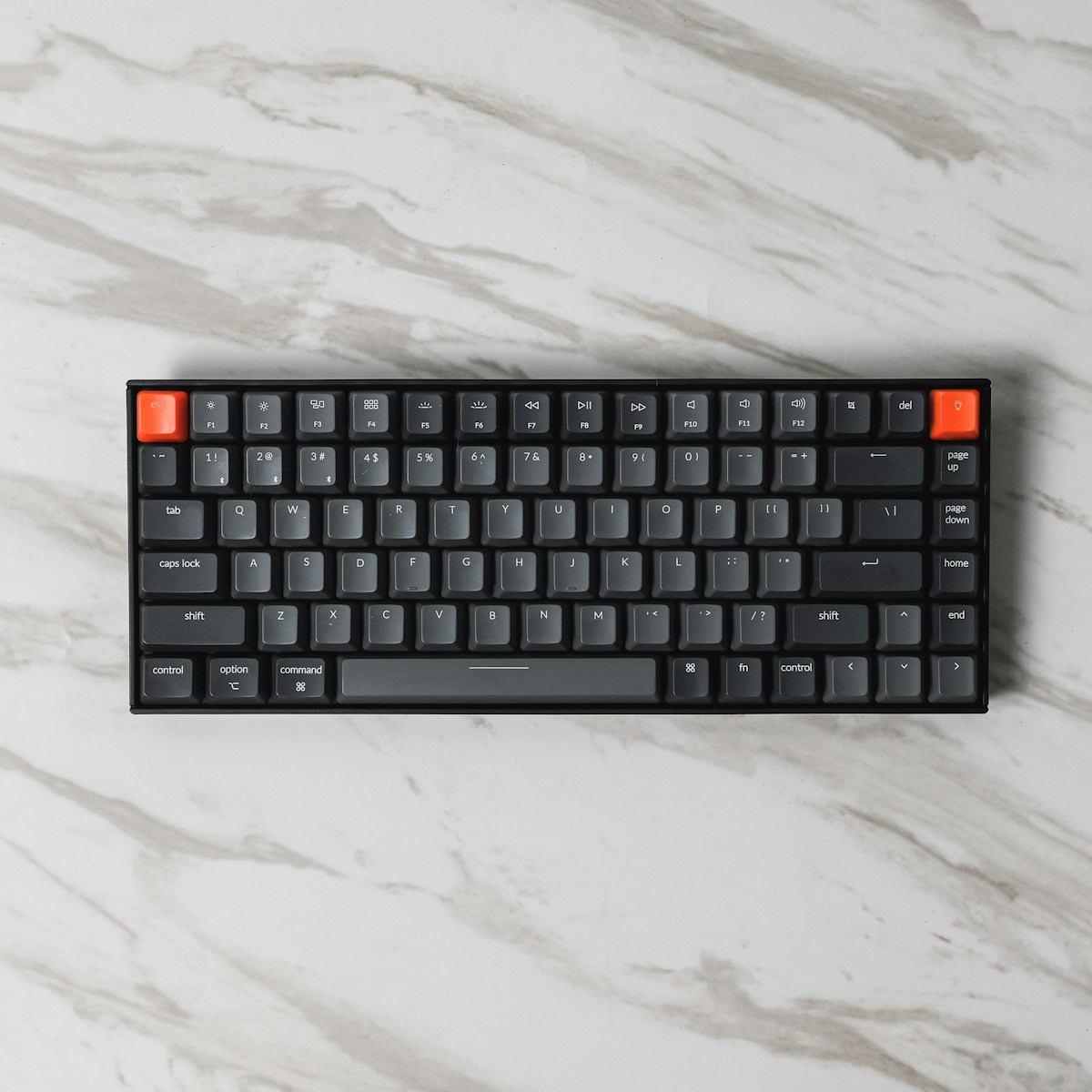
Best Budget Mechanical Keyboards Under $50 for Gaming in 2026
You no longer need to spend a fortune for a solid mechanical gaming keyboard. These sub-$50 picks deliver hot-...
 🏆 2026 Football Online
How VAR and Semi-Automated Offside Will Work at World Cup 2026
World Cup 2026 will use video review and semi-automated offside technology. Here is what VAR can and cannot ch...
 📦 Free2Rich Vault
The Pay Yourself First Budgeting Method: A Step-by-Step Guide for Beginners
The pay yourself first method flips the usual budgeting order: savings leave your account on payday, and you b...