How Much Does It Cost to Charter a Private Yacht in 2026?
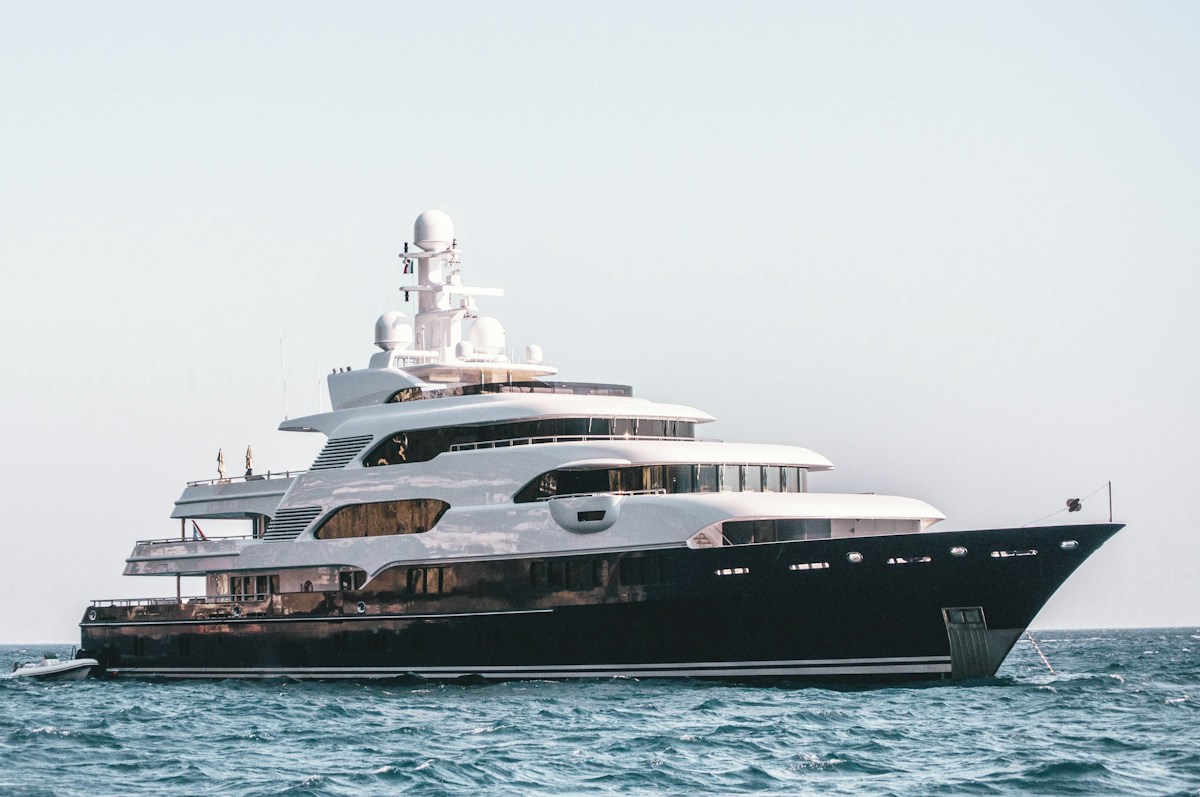
- Primary Signal: How Much Does It Cost to Charter a Private Yacht in 2026?
- Overview: Yacht charter prices range from a few thousand to hundreds of thousands per week. Here is a realistic breakdown of what you actually pay for....
- Verification: Analyzed and compiled by LuxeLiving 768 editorial monitoring desk.
Chartering a private yacht sounds like the ultimate luxury, and it can be, but the price range is so wide that first-time charterers often have no idea what to budget. A small sailing catamaran and a superyacht with a crew of twenty are both called yacht charters, yet their costs differ by orders of magnitude. Understanding how charter pricing actually works is the difference between a dream holiday and an invoice that ruins it.
The headline weekly rate is the starting point, not the total. A modest crewed sailing yacht in the Mediterranean might charter from around ten thousand dollars per week in low season, a mid-size motor yacht from fifty thousand, and a true superyacht from several hundred thousand, with the largest vessels exceeding a million per week. That base rate typically covers the yacht, its crew, and basic insurance, but almost everything else is additional, and the additions are where budgets break.
Food, drink, and fuel form the largest extras, usually handled through an advance provisioning allowance paid before departure. Guests specify their preferences, from champagne to dietary requirements, and the crew provisions accordingly, with fuel for cruising charged by consumption. A week of enthusiastic cruising, fine dining, and premium drinks can easily add tens of thousands to the base rate, and first-timers who assume everything is included are the ones most often shocked by the final account.
Taxes, delivery fees, and local charges add another layer. Value-added tax varies by cruising region and can reach twenty percent or more in some jurisdictions, while repositioning fees apply when a yacht must travel to meet you somewhere unusual. Port fees, national park permits, and special activities such as diving guides or onshore excursions are also charged separately, and they accumulate quietly across a week at sea.
Crew gratuities deserve a mention because they are customary and expected, typically ranging from ten to twenty percent of the charter fee depending on the region and service level. A great crew transforms a charter, handling navigation, cooking, activities, and safety with invisible professionalism, and tipping reflects that reality. Budgeting the gratuity from the start avoids an awkward surprise at the end of an otherwise perfect week.
Choosing the right yacht means matching the vessel to the trip, not simply booking the largest one affordable. A sailing catamaran offers stability, space, and shallow-water access ideal for families and island hopping, while a motor yacht covers greater distances faster, suiting guests who want multiple destinations. Smaller yachts with excellent crews frequently deliver better holidays than larger ones with stretched resources, because service quality matters more than square footage at sea.
Chartering a yacht is expensive, but it is also transparent once you understand the structure: base rate, provisioning, fuel, taxes, fees, and gratuity. Get an all-in estimate in writing before booking, be honest about your cruising plans and consumption, and choose a reputable broker who explains the extras rather than hiding them. Done properly, a yacht charter is one of the great travel experiences; done carelessly, it is one of the great travel bills.
Choosing between a bareboat charter and a crewed charter is the first decision that shapes both cost and experience, because the two are almost different holidays. Bareboat charters suit experienced sailors who want independence and are comfortable handling navigation, anchoring, and daily operations themselves, and they cost far less than crewed equivalents. Crewed charters remove all operational burden, with a captain, chef, and hostess managing everything, which transforms the trip into pure relaxation but at a substantially higher price. Sailing seasons matter too: the Mediterranean peaks in summer, the Caribbean in winter, and booking in shoulder seasons can cut costs significantly while offering quieter anchorages. Whatever you choose, verify the crew's qualifications, read the charter contract's cancellation terms carefully, and confirm exactly what the base rate includes before paying a deposit.
📖 Continue Reading the Full Story
Continue reading this article on LuxeLiving 768.
⚡ Access Full Content NowMore from LuxeLiving 768


 🚀 RocketCoin Casino
How Much Does a Missed Call Cost a Crypto Casino?
A missed player call isn't just poor service — in gaming, player lifetime value is everything. The step-by-ste...
 📋 Football2026 Tactics
How Much Does a Missed Call Cost a Football Merch Store?
One missed call isn't one lost jersey — it's the lifetime value of a shopper who now buys from a rival. Step-b...
 ⚡ Soccer2026 LiveWire
How Much Does a Missed Call Cost a Soccer Club?
A missed supporter call isn't one lost conversation — it's a member's lifetime value walking to another club. ...
 🌍 Soccer2026 Global
How Much Does a Missed Call Cost a Sports Clinic? The Real Math
Step-by-step math on what unanswered calls cost a sports physiotherapy clinic — from the initial assessment th...