How to Invest in Classic Cars Without Losing Your Shirt
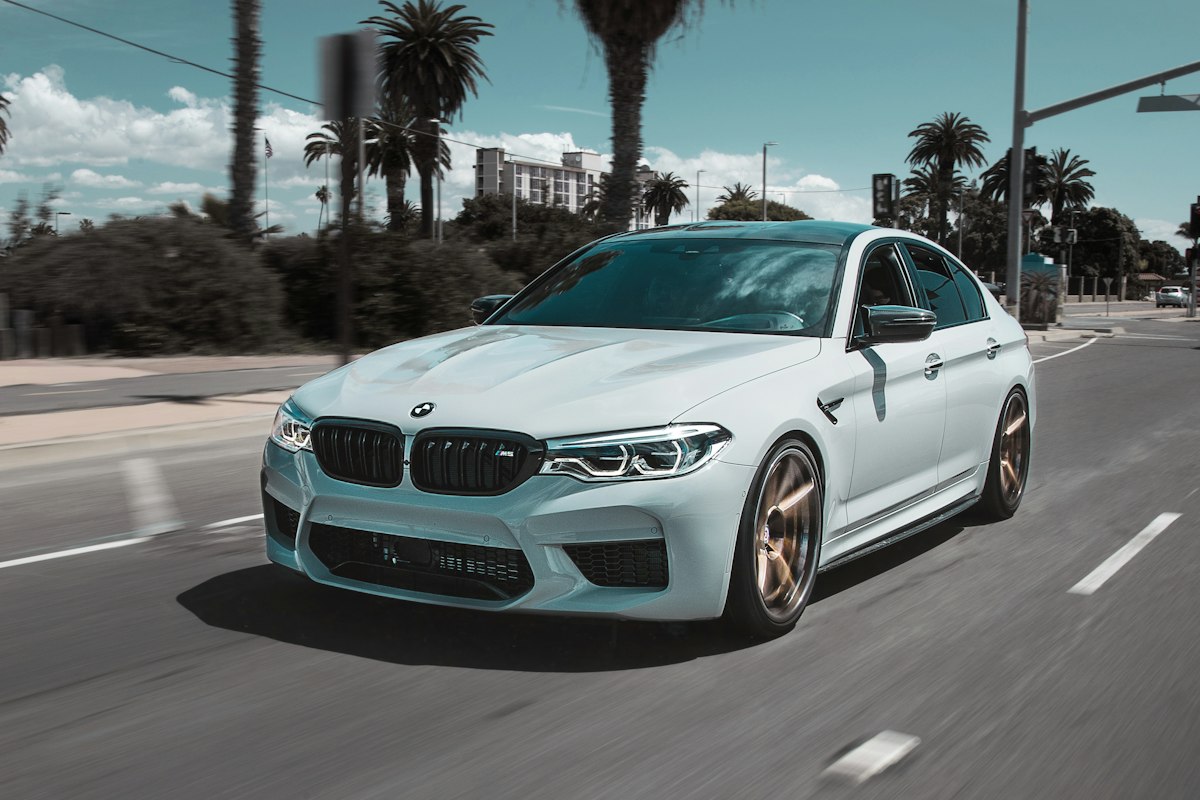
- Primary Signal: How to Invest in Classic Cars Without Losing Your Shirt
- Overview: Classic cars can be a rewarding investment — and an expensive mistake. Learn to buy what you understand, prioritise condition and provenance, and budget for real ownership costs....
- Verification: Analyzed and compiled by LuxeLiving 768 editorial monitoring desk.
Classic cars have a romance that stocks and property cannot match: you can drive your investment, show it, and enjoy it while it (hopefully) appreciates. But the classic car market is also full of expensive mistakes, from rust hidden under fresh paint to models whose values have already peaked. Investing wisely means treating the car as both a passion and a purchase, with the discipline to match.
The first rule is to buy what you understand. Invest in marques, models, or eras you already know and love, because your knowledge is your edge: you will spot a wrong engine number, a poor restoration, or an overpriced example faster than any advisor will. If you are new to the market, spend months attending shows, talking to owners, and studying price guides before spending anything. The market rewards patience and punishes impulse, and the buyers who lose money are usually the ones who bought the first shiny car they saw.
Condition and provenance matter more than rarity alone. A well-documented, matching-numbers car with a full history file will almost always outperform a rarer car with gaps in its story, because buyers pay for certainty. Originality is prized: untouched interiors, original paint where possible, and factory-correct parts all add value. A restoration can help, but only if it is done to a high standard with records to prove it — a cheap restoration often reduces value rather than increasing it, because the next buyer must redo the work.
Certain categories have historically held value better than others. Limited-production models from respected marques, cars with genuine motorsport history, and well-preserved examples of beloved everyday classics tend to be the most resilient. Be cautious with cars whose prices have spiked suddenly on speculation: rapid rises often reverse just as fast, leaving late buyers holding the loss. The most durable investments are usually cars with a long, steady history of appreciation and a genuine enthusiast following, not a fashionable moment.
Budget for ownership costs honestly. Classic cars need specialist servicing, correct parts, proper storage, and insurance agreed at a realistic value. Some models need engine work at intervals that surprise new owners, and parts for rare cars can take months to source. These costs are part of the investment, not an optional extra: a neglected classic loses value steadily, while a maintained one preserves it. Factor storage into the decision too — a car kept in a damp garage will cost you far more in corrosion repairs than a climate-controlled space ever will.
Finally, have an exit plan and enjoy the car in the meantime. Decide in advance what would make you sell — a target value, a change in circumstances, or a better opportunity — rather than deciding emotionally in the moment. Use the car: cars that are driven and maintained stay healthier than cars that sit, and the pleasure of driving is the dividend that no other investment pays. Classic car investing works best when the financial case and the emotional case point the same way: buy a car you love, at a fair price, in the best condition you can afford, and let time and care do the rest.
A word of caution about advisers and funds: be wary of anyone who promises guaranteed returns from classic cars, or who charges large fees to manage a collection you never see or drive. The classic car market has no guarantees, and the most reliable returns have come to owners who bought carefully, maintained properly, and held for years — not to speculators chasing the next hot model. If someone else's pitch sounds too certain, it probably is. Your own knowledge, patience, and enjoyment are the most trustworthy guides in this market, and they cost nothing but time.
📖 Continue Reading the Full Story
Continue reading this article on LuxeLiving 768.
⚡ Access Full Content NowMore from LuxeLiving 768


 ✈️ SkyFree Club
Mobile & Cloud Optimization: Playback Speed Calculator — Video Time at Any Speed (Day 16 Guide)
Testing responsive workflows with the Playback Speed Calculator — Video Time at Any Speed on SkyFree Club. Dis...
 ⚡ SkyFree Athletics
Performance Benchmark: Playback Speed Calculator — Video Time at Any Speed (Day 7 Guide)
Understanding real-world data from the Playback Speed Calculator — Video Time at Any Speed on SkyFree Athletic...
 🖋️ SkyFree Chronicles
Expert Insights: Playback Speed Calculator — Video Time at Any Speed (Day 8 Guide)
The science behind our free Playback Speed Calculator — Video Time at Any Speed on SkyFree Chronicles. Discove...
 🌿 SkyFree Living
Practical Playbook: Playback Speed Calculator — Video Time at Any Speed (Day 9 Guide)
Solving critical challenges with the Playback Speed Calculator — Video Time at Any Speed on SkyFree Living. Di...