Supercar Maintenance Costs Explained: What Owners Really Pay
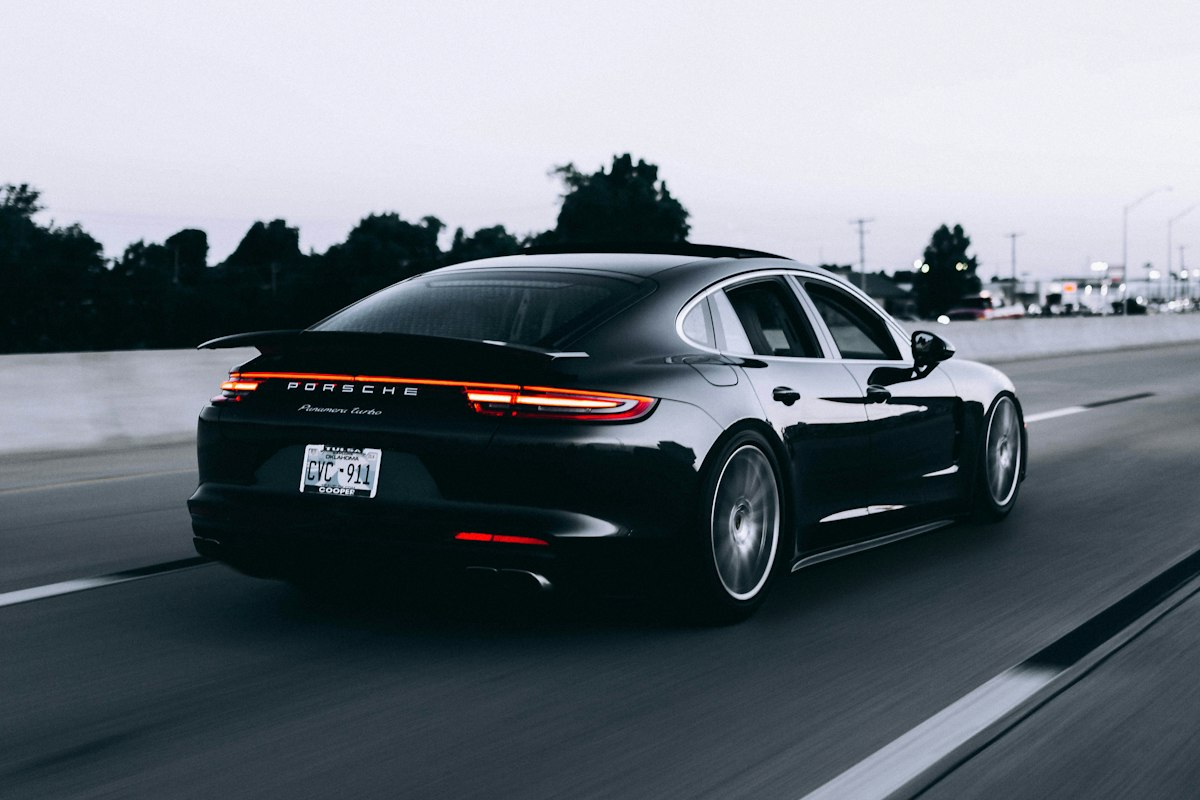
- Primary Signal: Supercar Maintenance Costs Explained: What Owners Really Pay
- Overview: The sticker price is only the start of supercar ownership. Servicing, tyres, brakes, insurance, and surprise repairs add up fast — here is what owners really pay each year....
- Verification: Analyzed and compiled by LuxeLiving 768 editorial monitoring desk.
The purchase price of a supercar is only the beginning. What surprises many first-time owners is the annual cost of keeping one on the road: servicing, tyres, insurance, and the occasional repair that costs more than a family car. Understanding these costs before you buy is the difference between enjoying a dream car and resenting it. Here is an honest breakdown of what ownership really costs.
Routine servicing is the most predictable cost. Most supercars require an annual service regardless of mileage, and main-dealer servicing is expensive because it involves specialist technicians, model-specific tools, and genuine parts. A basic annual service can run into four figures, and a major service — involving fluids, filters, belts, and inspections — costs several times more. Skipping services to save money is a false economy: incomplete service history devastates resale value and can void warranties, turning a small saving into a large loss.
Tyres are the cost owners underestimate most. Supercar tyres are wide, soft-compound, and model-specific, and a full set can cost as much as a used hatchback. Aggressive driving wears them quickly, and many owners replace rears far more often than fronts. Brakes are equally significant: carbon-ceramic brakes last longer than steel ones but cost dramatically more to replace when they do wear out. Add in fluids, batteries, and wiper blades — all model-specific and priced accordingly — and consumables alone form a substantial annual line item.
Insurance for a supercar reflects both its value and its repair costs. Premiums vary enormously by driver age, location, and usage, but expect them to be several times what you pay for an ordinary car. Agreed-value policies, which guarantee a set payout rather than market value, are worth the extra cost for rare models. Storage matters too: a climate-controlled garage protects paint, leather, and electronics, and many owners invest in trickle chargers, car covers, and dehumidifiers. A supercar left outside deteriorates visibly, and that deterioration shows up directly in resale value.
Unexpected repairs are where budgets break. Supercar parts are produced in small numbers, shipped from specialist suppliers, and fitted by technicians who charge accordingly. A failed suspension component, a faulty sensor, or a damaged wheel can each generate a bill that shocks even wealthy owners. Extended warranties help, but they are expensive and exclude wear items. The smartest approach is to keep a dedicated maintenance reserve — experienced owners often budget a fixed sum each year for the unexpected — so that a repair is an inconvenience rather than a crisis.
So is it worth it? For most owners, the answer is yes — with eyes open. Supercar ownership is expensive, but the cost buys an experience no ordinary car provides: the sound, the response, the sense of occasion every time you drive. The owners who regret their purchase are usually the ones who budgeted only for the car and not for the ownership. Go in knowing the real annual cost, keep the service history immaculate, and drive the car regularly — a supercar that sits unused deteriorates faster than one that is driven and maintained. Bought wisely and maintained properly, a supercar is not a money pit. It is an expensive hobby, honestly priced.
A practical final tip: before buying, ask the dealer or a specialist for a written estimate of the next three years of servicing, and speak to two or three current owners of the same model about their real bills. Owner forums are goldmines of honest cost data, including the failures that sales brochures never mention. If the numbers still work after that research — and the car still makes you smile when you see it — then buy it with confidence. The happiest supercar owners are not the ones who spent the least. They are the ones who knew exactly what they were signing up for.
📖 Continue Reading the Full Story
Continue reading this article on LuxeLiving 768.
⚡ Access Full Content NowMore from LuxeLiving 768


 ✈️ SkyFree Club
Mobile & Cloud Optimization: Playback Speed Calculator — Video Time at Any Speed (Day 16 Guide)
Testing responsive workflows with the Playback Speed Calculator — Video Time at Any Speed on SkyFree Club. Dis...
 ⚡ SkyFree Athletics
Performance Benchmark: Playback Speed Calculator — Video Time at Any Speed (Day 7 Guide)
Understanding real-world data from the Playback Speed Calculator — Video Time at Any Speed on SkyFree Athletic...
 🖋️ SkyFree Chronicles
Expert Insights: Playback Speed Calculator — Video Time at Any Speed (Day 8 Guide)
The science behind our free Playback Speed Calculator — Video Time at Any Speed on SkyFree Chronicles. Discove...
 🌿 SkyFree Living
Practical Playbook: Playback Speed Calculator — Video Time at Any Speed (Day 9 Guide)
Solving critical challenges with the Playback Speed Calculator — Video Time at Any Speed on SkyFree Living. Di...